
Best Greek Isles for Your Perfect Mediterranean Escape
The Greek archipelago comprises over 200 inhabited islands scattered across the Aegean and Ionian Seas, each offering distinct experiences that range from cosmopolitan glamour to untouched authenticity. Selecting the best Greek isles for your Mediterranean adventure requires understanding what makes each destination unique, whether you're planning a romantic honeymoon, a family vacation, or a cultural exploration. From the iconic blue-domed churches of Santorini to the pristine beaches of lesser-known gems, Greece's islands deliver unforgettable experiences that blend ancient history, dramatic landscapes, and warm hospitality. This comprehensive guide explores the top island destinations for 2026, helping you craft the perfect Aegean itinerary.
Understanding the Greek Island Groups
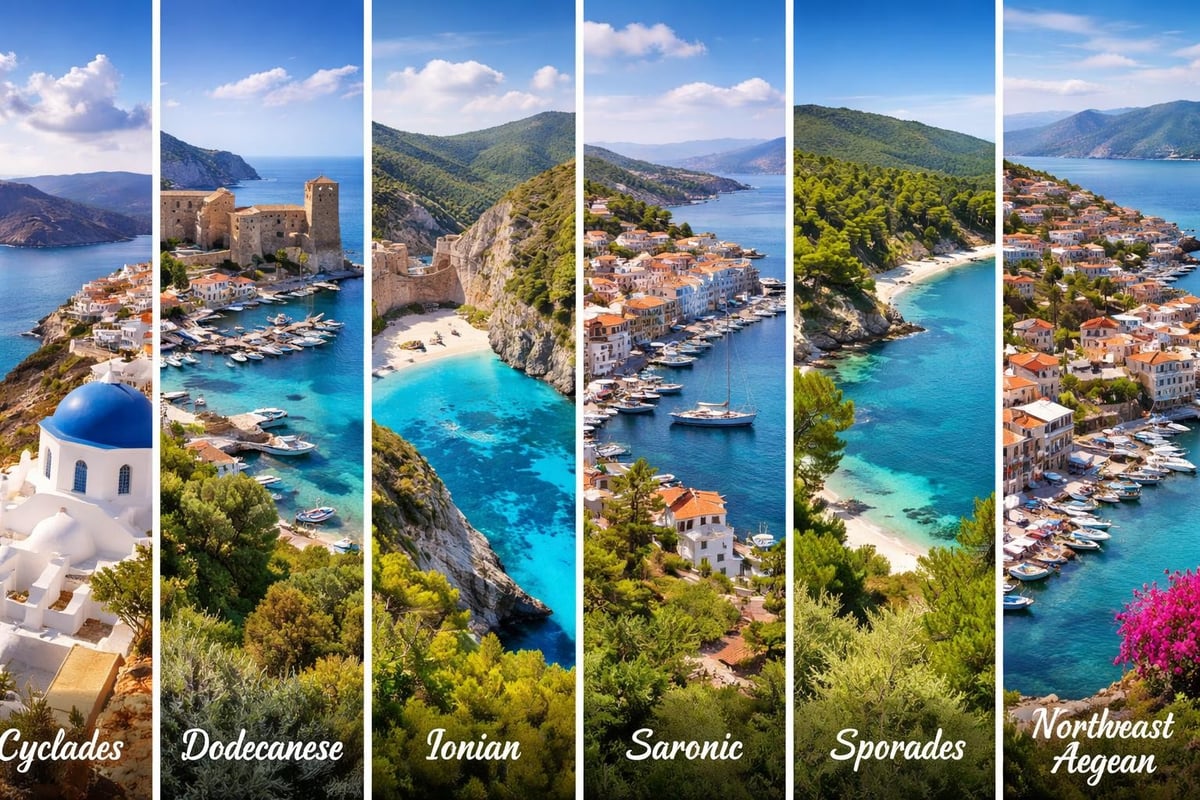
The Greek islands divide into several distinct clusters, each with its own character and appeal. The Cyclades, positioned in the central Aegean, feature the iconic whitewashed architecture and dramatic volcanic landscapes that define many travelers' visions of Greece. Meanwhile, the Dodecanese islands near the Turkish coast showcase medieval fortresses and Italian influences, while the Ionian islands west of the mainland offer lush vegetation and Venetian heritage.
Major Island Groups:
- Cyclades: Santorini, Mykonos, Paros, Naxos, Milos, Sifnos
- Dodecanese: Rhodes, Kos, Patmos, Symi
- Ionian: Corfu, Zakynthos, Kefalonia, Lefkada
- Saronic: Hydra, Aegina, Poros
- Sporades: Skiathos, Skopelos, Alonissos
- Northeast Aegean: Lesbos, Chios, Samos
Understanding these geographical distinctions helps in planning efficient itineraries, as islands within the same group typically have better ferry connections and complementary experiences.
Santorini: The Crown Jewel of Romance
Santorini consistently ranks among the best Greek isles for couples and honeymooners, thanks to its breathtaking caldera views, luxury accommodations, and unforgettable sunsets. The island's dramatic landscape resulted from one of history's largest volcanic eruptions around 1600 BCE, creating the distinctive crescent shape and towering cliffs that plunge into the deep blue Aegean.
The villages of Oia, Fira, and Imerovigli cling to the caldera rim, offering infinity pools, cave hotels, and terraces where visitors can watch the sun sink below the horizon. Beyond the romantic ambiance, Santorini provides excellent wineries producing distinctive volcanic wines, archaeological sites including ancient Akrotiri, and beaches with unique red and black volcanic sand.
Planning Your Santorini Visit
Best time to visit: May through June and September through October offer pleasant weather with fewer crowds than peak summer months.
For couples seeking romance, consider booking luxury honeymoon packages that include private transfers, wine tastings, and sunset catamaran cruises. Families should note that Santorini's steep staircases and clifftop locations require supervision of young children.
| Aspect | Details |
|---|---|
| Ideal Duration | 3-4 nights |
| Must-Do Activity | Sunset viewing in Oia |
| Best Beach | Red Beach (Kokkini Paralia) |
| Signature Experience | Wine tasting at volcanic vineyards |
| Transportation | Rent ATVs or cars; limited public buses |
Mykonos: Where Glamour Meets Tradition
Mykonos has evolved into the cosmopolitan capital of the Aegean, attracting international celebrities, luxury yachts, and travelers seeking vibrant nightlife alongside authentic Greek charm. The island's main town, Chora, features a labyrinth of narrow streets designed to confuse pirates, now filled with designer boutiques, art galleries, and sophisticated restaurants.
Despite its party reputation, Mykonos offers diverse experiences. The iconic windmills and Little Venice neighborhood provide picture-perfect moments, while nearby Delos island hosts one of Greece's most significant archaeological sites. Beach clubs like Scorpios and Nammos deliver world-class entertainment, but quieter beaches exist for those preferring tranquility.
Mykonos Highlights:
- Paraportiani Church: A striking whitewashed architectural wonder
- Archaeological Museum: Housing artifacts from the Cycladic civilization
- Armenistis Lighthouse: Dramatic coastal views away from crowds
- Super Paradise Beach: Famous for energetic beach parties
- Ano Mera: Traditional village offering authentic tavernas
The best Greek isles for different traveler types often include Mykonos for those seeking upscale amenities and social scenes, though families with young children might find quieter alternatives more suitable.
Crete: The Island of Legends and Diversity
As Greece's largest island, Crete functions almost as a country unto itself, offering incredible diversity across its 260-kilometer length. From the rugged Samaria Gorge to the elegant city of Chania, from Minoan palace ruins to secluded beaches, Crete delivers experiences that could fill weeks of exploration.
The island divides into four prefectures, each with distinct character. Chania in the west charms visitors with its Venetian harbor and old town, while Heraklion serves as the gateway to Knossos Palace and houses the excellent Archaeological Museum. Rethymno blends Venetian and Ottoman architecture, and Agios Nikolaos in the east offers a relaxed seaside atmosphere.
Why Crete Appeals to Every Traveler
Crete ranks among the best Greek islands for families due to its excellent infrastructure, diverse activities, and welcoming atmosphere. The island's size means you can always find uncrowded beaches, authentic villages, and family-friendly accommodations. The Phaea Blue Palace in Crete exemplifies the luxury options available for discerning travelers.
Adventure seekers can hike Europe's longest gorge, explore sea caves by kayak, or climb mountains reaching nearly 2,500 meters. Food enthusiasts discover Crete's distinctive cuisine, featuring local cheeses, olive oil, and dishes found nowhere else in Greece.
| Region | Best For | Key Attractions |
|---|---|---|
| Chania | Romantic strolls, dining | Venetian harbor, old town |
| Heraklion | History, culture | Knossos Palace, museums |
| Rethymno | Architecture, beaches | Fortezza, old town |
| Lasithi | Relaxation, nature | Vai Palm Forest, Spinalonga |
Rhodes: Medieval Splendor Meets Beach Paradise
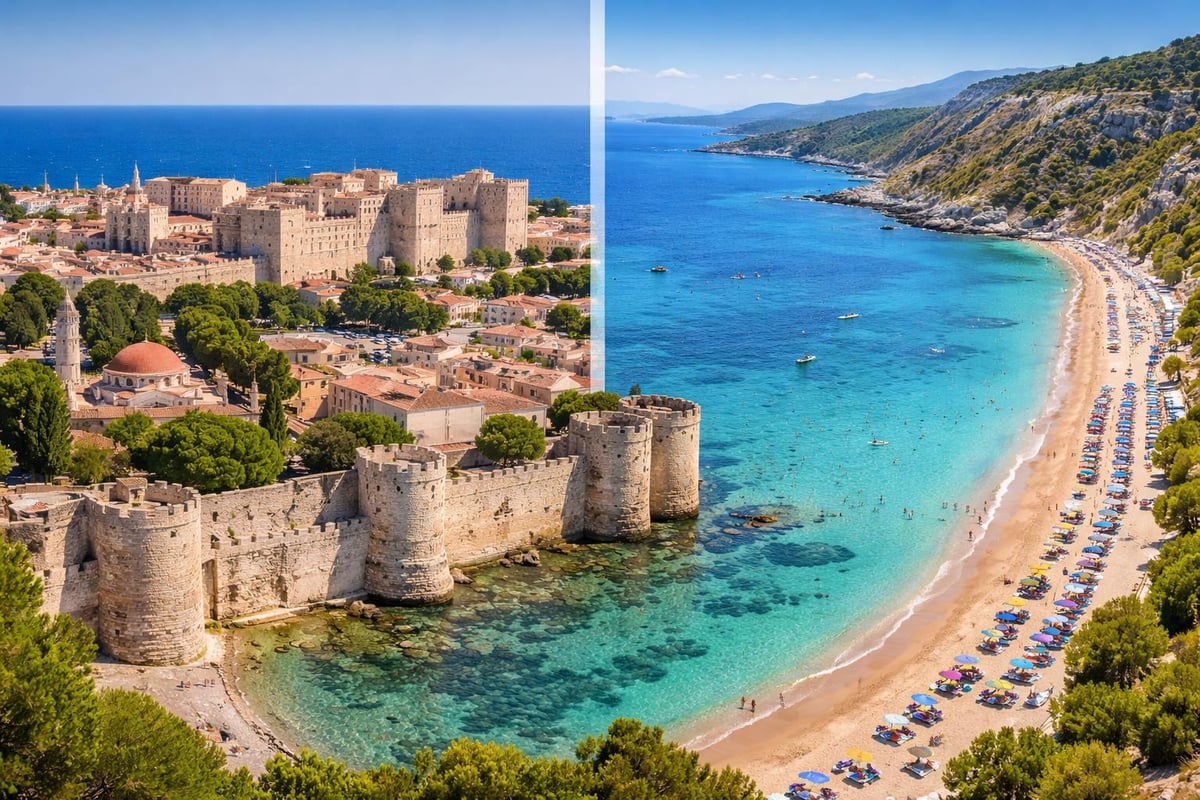
Rhodes combines impressive medieval heritage with exceptional beaches and reliable sunshine, making it one of the best Greek isles for travelers seeking historical depth alongside leisure. The UNESCO-listed Old Town stands as one of Europe's best-preserved medieval cities, with imposing walls, the Palace of the Grand Masters, and atmospheric cobblestone streets.
Beyond the medieval quarter, Rhodes offers the ancient Lindos Acropolis perched dramatically above a bay, the Valley of the Butterflies nature reserve, and over 300 days of annual sunshine. The island's size and excellent road network make exploration straightforward, whether you're visiting traditional mountain villages or beach resorts along the coast.
The eastern coast features organized beaches and resort towns, while the western coast delivers wilder scenery and strong winds attracting windsurfers. For those planning comprehensive Greek adventures, Rhodes serves as an excellent addition to Cycladic islands, offering complementary experiences within the same trip when you explore destinations across the archipelago.
Paros and Naxos: The Cyclades' Balanced Gems
These neighboring Cycladic islands often get overlooked in favor of Santorini and Mykonos, yet they deliver the quintessential Greek island experience with better value and authentic atmosphere. Both feature the iconic white architecture, beautiful beaches, and charming villages that define the Cyclades, without overwhelming crowds.
Paros: The Well-Rounded Choice
Paros excels as an all-around destination suitable for families, couples, and solo travelers. The main town of Parikia welcomes ferries with its waterfront promenade, while Naoussa in the north offers a picturesque fishing harbor surrounded by restaurants and boutiques. The island provides excellent beaches, from the famous Golden Beach (Chrisi Akti) attracting windsurfers to sheltered family-friendly options.
Marble from Paros was prized in antiquity for its translucent quality, used in creating the Venus de Milo and other masterpieces. Today, visitors can explore marble quarries, Byzantine churches, and traditional villages in the interior.
Naxos: Size and Variety
As the largest Cycladic island, Naxos offers remarkable diversity. Its long sandy beaches rank among Greece's finest, particularly the western coast stretching south from Chora. The interior reveals mountain villages, ancient towers, and hiking trails that showcase a different side of the Cyclades.
Comparison of Paros and Naxos:
- Best beaches: Naxos edges ahead with longer stretches of sand
- Nightlife: Paros offers more options, especially in Naoussa
- Historical sites: Naxos features more ancient ruins and villages
- Accessibility: Paros serves as a better ferry hub
- Family appeal: Both excellent; Naxos offers more space
- Food scene: Naxos produces exceptional local products
When considering the best Greek islands for couples, both islands provide romantic settings without Santorini's price tags or crowds.
Milos and Folegandros: Hidden Cycladic Treasures
For travelers seeking to escape mass tourism while still experiencing the best Greek isles, Milos and Folegandros deliver spectacular landscapes and authentic experiences. These islands require slightly more effort to reach, rewarding visitors with pristine beauty and genuine Greek hospitality.
Milos: Geological Wonderland
Milos' volcanic geology created over 70 beaches, each with distinctive characteristics ranging from white pumice to pink sand to dramatic rock formations. Sarakiniko, with its lunar-like white volcanic landscape, has become iconic, while Kleftiko's sea caves can only be reached by boat.
The fishing village of Klima features colorful boat houses (syrmata) built directly into the rocks, creating one of Greece's most photographed scenes. Despite increasing popularity, Milos retains an unhurried atmosphere and attracts travelers interested in natural beauty over nightlife.
Folegandros: Dramatic Beauty
Folegandros rises dramatically from the sea, its main town (Chora) perched on cliffs 200 meters above the water. This small island lacks an airport and large resorts, preserving an authentic character that appeals to travelers seeking tranquility. The refined island-hopping experience in the Cyclades often includes Folegandros for its unspoiled charm.
Three main settlements, limited beaches, and challenging terrain mean Folegandros suits active travelers who appreciate dramatic landscapes and don't require extensive infrastructure. The sunset views from Chora rival Santorini's, without the crowds.
Corfu: The Emerald Isle
Departing from the Cycladic aesthetic, Corfu in the Ionian Sea presents a lush, green landscape influenced by centuries of Venetian, French, and British rule. The island's UNESCO-listed old town showcases elegant architecture, while the coastline alternates between dramatic cliffs and gentle sandy bays.
Corfu's verdant interior, nourished by higher rainfall than Aegean islands, features olive groves, cypress trees, and wildflowers. The northern and western coasts deliver dramatic scenery, while the eastern shore offers calmer waters and resort towns. Cultural attractions include the Achilleion Palace, Byzantine fortresses, and numerous churches.
Corfu's Unique Advantages:
- More forgiving weather with cooler summers
- Excellent infrastructure and international airport
- Rich cultural influences beyond typical Greek heritage
- Diverse accommodation from budget to ultra-luxury
- Strong appeal for families seeking green landscapes
Families researching the best Greek islands for families frequently choose Corfu for its combination of beaches, activities, and family-friendly resorts.
Zakynthos: Natural Wonders and Tourist Magnets
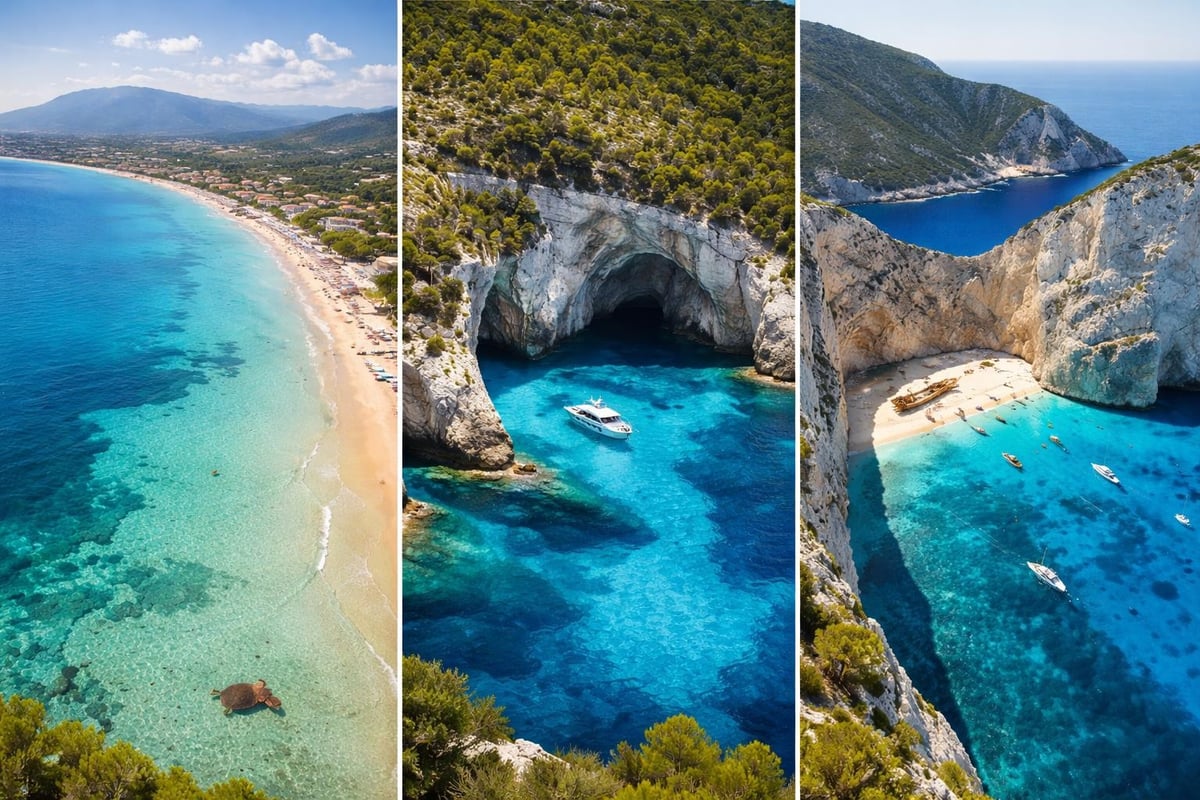
Zakynthos (also known as Zante) gained international fame through images of Navagio Beach, where a shipwreck rests on pristine white sand surrounded by towering limestone cliffs. While this iconic beach attracts significant crowds, the island offers much more beyond this single sight.
The island divides between developed resort areas and protected natural zones. Laganas Bay serves as a nesting ground for endangered loggerhead sea turtles (Caretta caretta), with sections of beach closed during nesting season. The western coast features dramatic cliffs, sea caves, and the famous Blue Caves where sunlight creates ethereal underwater illumination.
Zakynthos offers luxurious accommodations, Michelin-star dining options, and unique excursions that balance natural beauty with upscale amenities. However, some areas suffer from overdevelopment, making research essential when selecting your base.
Hydra: Car-Free Sophistication
A short ferry ride from Athens, Hydra offers a unique Greek island experience where motor vehicles are banned, and transportation relies on donkeys, water taxis, and walking. This preservation of traditional character has attracted artists, writers, and celebrities for decades, creating a sophisticated yet relaxed atmosphere.
The crescent-shaped harbor, lined with stone mansions and waterfront tavernas, serves as the island's heart. Narrow streets climb the hillsides, leading to museums, galleries, and peaceful neighborhoods. Limited beaches mean Hydra appeals more to those seeking ambiance, culture, and gentle exploration rather than extensive swimming.
Why Choose Hydra:
- Easy day trip or stopover from Athens
- Unique car-free environment
- Artistic and cultural atmosphere
- Excellent hiking trails with coastal views
- Upscale yet authentic character
Hydra works exceptionally well within multi-island itineraries, particularly when combined with Saronic neighbors or as a contrast to busier Cycladic islands.
Lesbos: Authentic Greece Beyond Tourism
As Greece's third-largest island, Lesbos (Lesvos) remains relatively undiscovered by mass tourism, offering authentic experiences and natural beauty without the infrastructure of more popular destinations. The island's diverse landscape includes petrified forests, thermal springs, and varied coastlines ranging from pebble beaches to sandy stretches.
The capital Mytilini blends modern Greek life with historical layers, while the northern town of Molyvos features a medieval castle overlooking stone houses cascading down hillsides. Lesbos produces exceptional olive oil and ouzo, with numerous distilleries offering tastings. The island also holds significance as the birthplace of the poet Sappho.
This glorious Greek island without the swank appeals to travelers prioritizing authenticity over polished tourist experiences, seeking to understand contemporary Greek life alongside historical exploration.
Selecting Your Perfect Island Combination
The best Greek isles for your journey depend on several factors including travel dates, interests, physical activity levels, and desired atmosphere. Most travelers benefit from combining different island types rather than visiting similar destinations.
Strategic Pairing Suggestions
For first-time visitors: Combine Santorini's iconic beauty with Naxos' beaches and culture, adding Athens at the start or end. This pairing balances must-see sights with authentic experiences.
For couples and honeymooners: Santorini for romance, Milos for pristine beaches, and perhaps Folegandros for intimate tranquility. Consider exploring romantic destinations tailored for couples when planning your itinerary.
For families: Crete as a base offers everything in one place, or combine Paros with Naxos for Cycladic charm with family-friendly infrastructure.
For adventurers: Crete's hiking and activities, Rhodes for history and watersports, and Milos for kayaking among caves.
| Travel Style | Recommended Islands | Duration |
|---|---|---|
| Romantic Escape | Santorini, Milos, Folegandros | 7-10 days |
| Family Adventure | Crete, Corfu | 10-14 days |
| Cultural Deep Dive | Crete, Rhodes, Lesbos | 12-16 days |
| Beach Luxury | Mykonos, Zakynthos, Paros | 7-10 days |
| Authentic Experience | Naxos, Paros, Sifnos | 8-12 days |
Practical Considerations for Island Hopping
Successfully navigating the best Greek isles requires understanding transportation logistics, seasonal variations, and planning realistic itineraries. Ferry schedules change significantly between high season (July-August) and shoulder seasons, with some routes operating only during summer months.
Ferry Connections and Flight Options
Major islands like Santorini, Mykonos, Rhodes, Corfu, and Crete offer direct international flights and numerous domestic connections from Athens. Smaller islands rely entirely on ferries, which can be affected by weather, particularly the strong meltemi winds in the Cyclades during summer.
Booking strategies:
- Reserve ferries in advance during July and August
- Allow flexibility for weather-related delays
- Consider fast ferries for time efficiency on longer routes
- Mix flights and ferries to maximize time efficiency
- Book early morning ferries to maximize your first day
Many travelers find working with specialists who create tailored vacation packages simplifies logistics while ensuring optimal routing and timing.
Seasonal Timing
Each season offers distinct advantages when visiting the best Greek isles. Late April through June provides excellent weather, wildflowers, and manageable crowds. July and August deliver guaranteed sunshine but maximum crowds and prices. September through October offer warm seas and autumn light, while November through March sees most businesses closed on smaller islands.
Seasonal comparison:
- Spring (April-June): Ideal weather, moderate prices, fresh landscapes
- High Summer (July-August): Hot temperatures, peak crowds, full services
- Fall (September-October): Warm seas, fewer tourists, harvest season
- Winter (November-March): Many closures, local life, very low prices
Accommodation Strategies Across the Islands
The best Greek isles offer accommodation ranging from budget rooms to ultra-luxury resorts, with strategy depending on your priorities and budget. Santorini's caldera hotels command premium prices for those sunset views, while inland or less-famous villages provide better value.
In Mykonos, staying in Chora puts you near nightlife but guarantees noise, while beach hotels offer tranquility with resort amenities. Crete's size means location significantly impacts your experience, with western areas offering Venetian charm and eastern regions providing quieter beaches.
Accommodation types:
- Cave hotels: Santorini specialty, carved into volcanic rock
- Beach resorts: All-inclusive options on larger islands
- Traditional guesthouses: Authentic experiences in villages
- Luxury villas: Privacy and amenities, especially for families or groups
- Boutique hotels: Design-focused properties in main towns
Booking directly often secures better rates and flexibility, while package deals through specialists can provide value when combining multiple islands. Browse available hotel options across different islands to compare styles and amenities.
Culinary Experiences Across the Archipelago
Greek island cuisine varies significantly by region, reflecting local products, historical influences, and proximity to other cultures. Crete's cuisine stands apart with unique cheeses like graviera and mizithra, extensive use of wild greens (horta), and dishes like dakos that originated on the island.
The Cyclades feature simpler preparations highlighting exceptional ingredients: tomato keftedes (fritters) on Santorini, kopanisti cheese on Mykonos, and arseniko cheese on Naxos. Seafood dominates coastal tavernas, from grilled octopus to kakavia (fisherman's soup), while mountain villages specialize in lamb and goat preparations.
Must-try regional specialties:
- Santorini: Fava (yellow split pea puree), white eggplant, cherry tomatoes
- Crete: Antikristo lamb, kaltsounia (cheese pastries), snails
- Rhodes: Pitaroudia (chickpea fritters), melekouni (sesame honey bars)
- Corfu: Sofrito (veal in white wine), pastitsada (pasta with meat sauce)
- Mykonos: Louza (cured pork), amygdalota (almond cookies)
Dining in Greece follows relaxed rhythms, with lunch served from 1-4 PM and dinner rarely beginning before 9 PM. Tavernas offer better value and authenticity than waterfront tourist restaurants, particularly in high-season destinations.
Activities Beyond the Beach
While beaches attract many visitors to the best Greek isles, diverse activities enrich any itinerary. Archaeological sites dot nearly every island, from world-famous complexes like Knossos to smaller ruins requiring hiking to reach. The Minoan, Classical, Byzantine, Venetian, and Ottoman eras left distinct marks across different islands.
Water sports thrive in the windy Cyclades, particularly windsurfing and kitesurfing on Paros and Naxos. Scuba diving reveals underwater caves, ancient amphora sites, and vibrant marine life, with many islands offering certification courses. Sailing provides the ultimate way to explore multiple islands, whether joining organized tours or chartering private yachts.
Activity opportunities by island:
| Island | Signature Activities |
|---|---|
| Santorini | Wine tasting, volcano tours, sunset cruises |
| Crete | Gorge hiking, archaeological sites, cooking classes |
| Rhodes | Medieval town tours, diving, windsurfing |
| Paros | Kitesurfing, marble quarry visits, island hopping |
| Corfu | Kayaking, olive grove tours, palace visits |
| Milos | Boat tours to caves, beach hopping, geology tours |
Those planning extensive activities and experiences benefit from advance booking, particularly for popular tours during summer months.
Lesser-Known Islands Worth Considering
Beyond the famous names, dozens of smaller islands offer exceptional experiences for travelers willing to venture off the typical routes. Sifnos attracts food enthusiasts with its renowned pottery tradition and exceptional tavernas. Serifos delivers dramatic landscapes and authentic village life with minimal tourism infrastructure.
Patmos holds spiritual significance as the island where St. John wrote the Book of Revelation, with the monastery and cave attracting pilgrims and culturally-curious travelers. Symi's neoclassical architecture and protected harbor create one of Greece's most beautiful island towns, easily visited as a day trip from Rhodes or as an overnight destination.
Hidden gems to explore:
- Sifnos: Culinary excellence, pottery tradition, hiking trails
- Amorgos: Dramatic monastery, film location (The Big Blue), authentic character
- Kea: Close to Athens, hiking paths, archaeological sites, quiet beaches
- Alonissos: Marine park, green landscapes, peaceful atmosphere
- Karpathos: Traditional villages, diverse landscapes, limited development
These lesser-known destinations work particularly well for second or third visits to Greece, when you've experienced the major highlights and seek deeper exploration.
Navigating Cultural Differences and Etiquette
Understanding Greek island culture enhances your experience and interactions with locals. Greeks value hospitality (philoxenia) deeply, often going out of their way to help visitors. Showing appreciation for this generosity, respecting traditions, and making small efforts to speak Greek (even just basics) generates warm responses.
Dress codes matter at religious sites; cover shoulders and knees when visiting monasteries and churches. Many beaches include both organized sections with umbrellas and facilities, and free sections where you bring your own equipment. Topless sunbathing is common on most beaches, while full nudity is restricted to specific designated beaches.
Cultural tips:
- Learn basic Greek phrases: "Kalimera" (good morning), "Efharisto" (thank you)
- Respect siesta hours (roughly 2-5 PM) when shops close
- Don't photograph people, especially elderly locals, without asking
- In tavernas, it's normal to enter the kitchen to see what's cooking
- Greeks dine late; arriving at 7 PM marks you as a tourist
Budget Planning for Island Exploration
Costs vary dramatically across the best Greek isles, with Santorini and Mykonos commanding premium prices while less-touristed islands offer excellent value. Accommodation represents the largest expense, particularly in peak season, followed by dining, activities, and transportation.
Budget travelers can find rooms for €40-60 per night on less-famous islands, while Santorini caldera hotels easily exceed €400 nightly during summer. Meals at authentic tavernas cost €12-20 per person, while upscale restaurants charge €40-80 or more. Ferry tickets range from €20-80 depending on distance and boat type (conventional versus fast ferry).
Daily budget estimates (per person, summer 2026):
- Budget: €70-100 (simple accommodation, taverna meals, public transport)
- Mid-range: €150-250 (good hotels, nice restaurants, some activities)
- Luxury: €400+ (upscale hotels, fine dining, private transfers, premium experiences)
Package deals combining accommodation, transfers, and activities often provide better value than booking everything separately, particularly when visiting multiple islands. Working with specialists ensures efficient routing and potentially better rates through established relationships.
Making the Most of Limited Time
If your schedule allows only a week in Greece, focusing on 2-3 islands provides a more relaxed experience than attempting to visit five or six destinations. The best Greek isles for short visits include well-connected options like Santorini, Mykonos, Paros, and Naxos in the Cyclades, or Crete as a standalone destination offering diversity within one island.
A typical week might include 2 nights in Santorini, 2-3 nights in Paros or Naxos, and 2 nights in Athens at the start or end. This allows adequate time to explore each destination without constant packing and ferry schedules dominating your days. Those with 10-14 days can comfortably add 1-2 more islands or extend stays.
Sample one-week itinerary:
- Days 1-2: Athens (arrival, Acropolis, Plaka)
- Days 3-4: Santorini (caldera views, wineries, Oia sunset)
- Days 5-6: Naxos (beaches, old town, villages)
- Day 7: Return to Athens for departure
This provides iconic experiences without rushing, allowing time to actually relax and absorb each destination's unique character.
Environmental Considerations and Responsible Travel
The popularity of Greece's best Greek isles has created environmental pressures, from water scarcity on small islands to overtourism at famous sites like Navagio Beach and Balos Lagoon. Responsible travelers can minimize their impact through conscious choices about timing, behavior, and spending.
Visiting during shoulder seasons (May-June, September-October) reduces pressure on resources while providing better experiences with smaller crowds. Choosing locally-owned accommodations and tavernas keeps tourism revenue within communities rather than flowing to international chains. Respecting protected areas, staying on marked trails, and properly disposing of waste preserves fragile ecosystems.
Sustainable travel practices:
- Carry reusable water bottles; many islands have refill stations
- Support local businesses, markets, and artisans
- Respect marine protected areas and nesting beaches
- Use reef-safe sunscreen to protect marine life
- Walk or use public transport when possible
- Book uncrowded beaches and off-peak tours
Many islands face water shortages during summer; conserving water through shorter showers and reusing towels helps manage these limited resources.
Technology and Connectivity
Mobile coverage across the best Greek isles varies from excellent in main towns to nonexistent in remote beaches and mountain villages. EU residents enjoy free roaming, while others should check international plans or purchase local SIM cards upon arrival. Wi-Fi is standard in most accommodations, though speeds may disappoint those expecting fiber-optic performance.
Ferry booking apps like Ferryhopper and booking websites allow real-time schedule checking and online ticket purchases, though some smaller routes still require in-person ticket offices. Google Maps works well for navigation, though offline maps prove essential in areas with spotty coverage.
Useful apps and resources:
- Ferryhopper/FerryScanner: Ferry schedules and booking
- XE Currency: Real-time exchange rates
- Google Translate: Greek language assistance with offline capability
- Maps.me: Offline navigation
- TripAdvisor: Restaurant and attraction reviews
Cash remains important on smaller islands where card readers may be unreliable, while larger destinations accept cards widely. ATMs exist in main towns but may be absent in small villages.
Greece's islands offer unparalleled diversity, from Santorini's romantic sunsets to Crete's ancient heritage and hidden gems like Milos and Folegandros. Whether you seek luxury resort experiences, authentic cultural immersion, family adventures, or romantic escapes, the archipelago delivers destinations perfectly suited to your vision. Hellenic Holidays specializes in crafting personalized Greek island itineraries that combine the famous highlights with authentic local experiences, ensuring your journey across these remarkable islands exceeds expectations while handling all logistics seamlessly.