
Greece Island Hop: Your Complete Planning Guide 2026
Island hopping through Greece represents one of the most enchanting ways to experience the Mediterranean. With over 200 inhabited islands scattered across the Aegean and Ionian Seas, crafting the perfect greece island hop requires thoughtful planning, strategic timing, and an understanding of what each destination offers. Whether you're drawn to the iconic white-washed villages of the Cyclades, the lush landscapes of the Ionian islands, or the historical richness of the Dodecanese, your journey through these ancient archipelagos promises unforgettable memories and diverse experiences that showcase the full spectrum of Greek culture.
Understanding Greek Island Groups
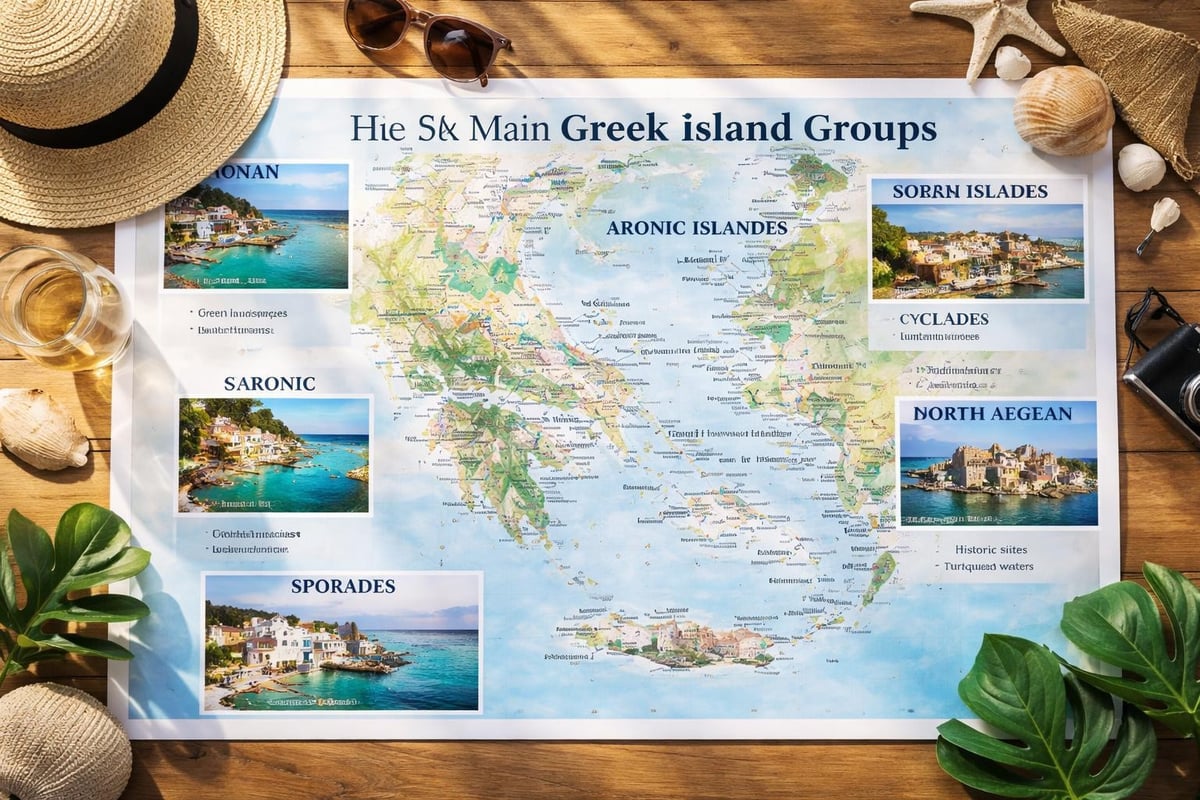
Greece's islands are organized into distinct geographical clusters, each offering unique characteristics and experiences. The Cyclades, positioned in the central Aegean, include famous destinations like Santorini, Mykonos, Paros, and Naxos, known for their dramatic cliffs, cube-shaped architecture, and vibrant nightlife scenes.
The Dodecanese islands stretch along the Turkish coast and include Rhodes, Kos, and Patmos. These islands blend Greek and Ottoman influences, creating a distinct cultural atmosphere with medieval castles, fortress towns, and archaeological sites.
Island Group Characteristics
The Ionian islands off Greece's western coast present a dramatically different landscape. Corfu, Kefalonia, and Zakynthos feature verdant hillsides, Venetian architecture, and calmer emerald waters that contrast sharply with the Aegean's brilliant blue.
- Cyclades: Iconic white architecture, volcanic landscapes, cosmopolitan atmosphere
- Dodecanese: Medieval history, Turkish influences, diverse terrain
- Ionian: Lush vegetation, Venetian heritage, family-friendly beaches
- Saronic: Close to Athens, quick getaways, nautical traditions
- Sporades: Pine forests, secluded coves, authentic Greek villages
Understanding these distinct island groups helps you design a greece island hop that matches your travel preferences and creates a cohesive journey rather than a disjointed collection of destinations.
Planning Your Island-Hopping Route
Strategic route planning separates extraordinary island-hopping experiences from frustrating ones filled with missed connections and wasted travel time. The key lies in selecting islands within the same cluster or along established ferry routes that operate with reliable frequency.
Most travelers begin their greece island hop in Athens, using Piraeus port as the main departure point for Cyclades and Saronic destinations. Rafina port, located northeast of Athens, serves as an alternative gateway to certain Cyclades islands with shorter crossing times.
Creating Island Contrast
The most memorable itineraries balance different island personalities. Pair a cosmopolitan destination like Mykonos with a tranquil island such as Folegandros. Follow the dramatic caldera views of Santorini with the traditional villages and beaches of Naxos.
When planning your island-hopping itinerary, consider these contrast factors:
- Size variation: Mix large islands offering diverse activities with smaller islands providing intimate experiences
- Energy levels: Balance party destinations with peaceful retreats
- Landscape diversity: Combine volcanic moonscapes with sandy beaches or mountain villages
- Cultural depth: Include both tourist-developed islands and authentic local communities
- Activity types: Alternate between archaeological exploration, beach relaxation, and adventure sports
A well-designed route respects ferry schedules while allowing sufficient time on each island. Rushing through multiple islands in a week diminishes the experience, while spending too long on a single small island can leave you restless.
Timing Your Greek Island Adventure
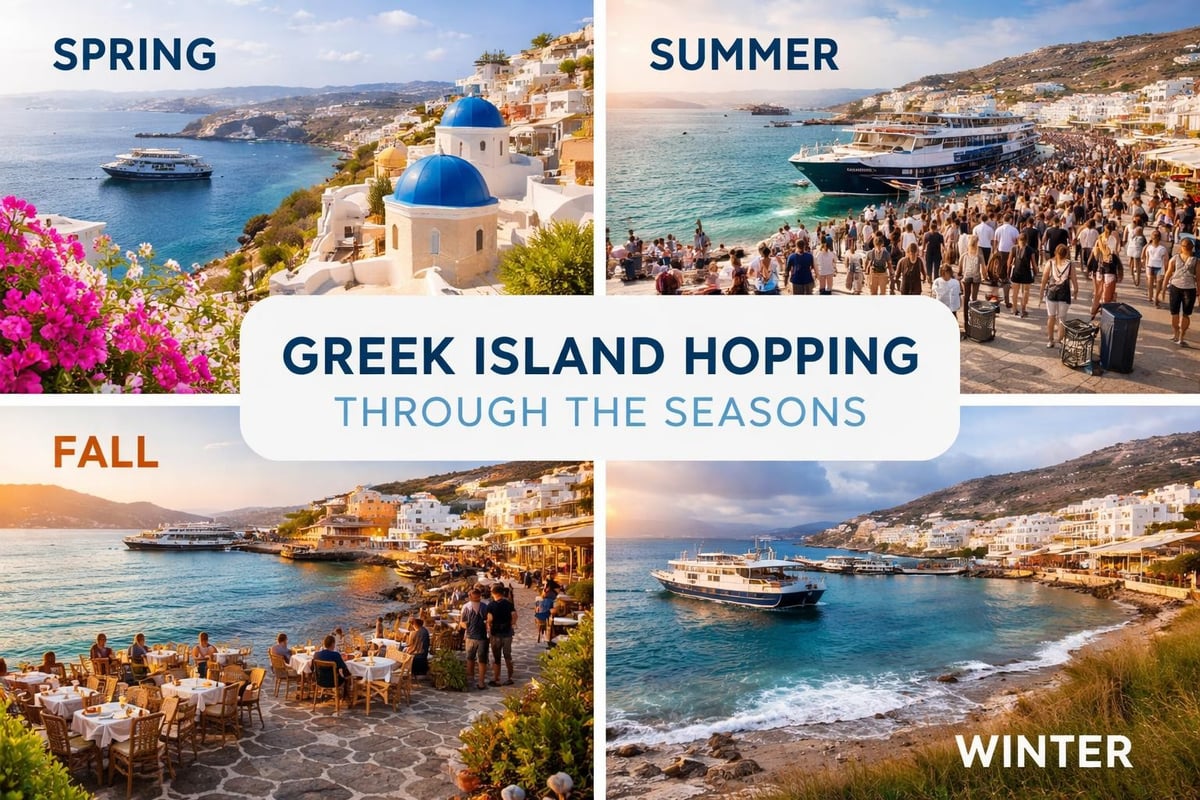
The season dramatically impacts your greece island hop experience, affecting everything from weather conditions and ferry frequency to accommodation costs and crowd levels. Each period offers distinct advantages and challenges that shape your journey.
Peak Season Considerations
Summer months from July through August bring guaranteed sunshine, full ferry schedules, and vibrant island atmospheres. However, these months also deliver maximum tourist crowds, elevated prices, and temperatures that can exceed 95°F (35°C) during midday hours.
| Season | Months | Pros | Cons |
|---|---|---|---|
| Spring | April-May | Mild weather, wildflowers, fewer crowds | Limited ferry schedules, cooler water |
| Peak Summer | July-August | Full services, guaranteed sun, festive atmosphere | Extreme crowds, high prices, intense heat |
| Early Fall | September-October | Warm seas, mature travelers, harvest season | Reduced ferry routes after mid-September |
| Winter | November-March | Rock-bottom prices, authentic local life | Many businesses closed, rough seas |
The best times for Greek island hopping typically fall during shoulder seasons when weather remains pleasant but crowds diminish. Late May through June and September through early October offer the ideal balance for most travelers.
Ferry schedules expand significantly from mid-May, providing the route flexibility essential for efficient island hopping. By late September, many seasonal routes reduce frequency or cease entirely, particularly to smaller islands.
Ferry Travel Logistics
Mastering Greece's ferry system proves essential for successful island hopping. Multiple ferry companies operate overlapping routes with varying speeds, comfort levels, and pricing structures that require careful comparison.
High-speed catamarans cut travel time significantly compared to conventional ferries but cost considerably more and offer less outdoor deck space. For journeys under two hours, the speed advantage justifies the premium. For longer crossings, conventional ferries provide better value and more comfortable amenities.
Booking Strategy
Advanced booking becomes critical during peak summer months, especially for popular routes like Athens to Santorini or connections between major Cyclades islands. Book at least two weeks ahead for July and August travel, though last-minute tickets often remain available during shoulder seasons.
Ferry booking best practices:
- Compare multiple operators: Different companies serve the same routes with varying schedules and prices
- Consider departure times: Early morning ferries maximize your arrival day but require very early hotel checkouts
- Account for delays: Weather can postpone or cancel sailings, especially during shoulder seasons
- Choose seat categories wisely: Outdoor seating suits short crossings; interior cabins benefit long overnight journeys
- Keep backup plans: Have alternative route options if your preferred ferry gets canceled
Many travelers make the mistake of creating overly tight connections when planning their greece island hop. Build in buffer time between ferry arrivals and departures on the same day, as delays are common and missed connections leave you stranded.
Selecting Your Island Destinations
With dozens of accessible islands, choosing your specific destinations requires aligning island characteristics with your personal travel priorities. Some travelers seek archaeological wonders, others prioritize beach quality, while many desire authentic cultural immersion away from tourist developments.
The Cyclades anchor most greece island hop itineraries due to their iconic status and reliable ferry connections. Santorini delivers the famous caldera sunsets and luxury cave hotels. Mykonos offers sophisticated nightlife and pristine beaches. Naxos provides the best combination of beaches, mountain villages, and ancient ruins within a single destination.
Beyond the Famous Names
Lesser-known islands often provide the most memorable experiences for travelers seeking substance over Instagram opportunities. The refined Cyclades itinerary showcases islands like Milos, Folegandros, Paros, Sifnos, and Serifos, which balance natural beauty with authentic Greek character.
Milos features dramatic coastal geology with colorful rock formations and over 70 beaches accessible only by boat. Folegandros maintains traditional village life atop spectacular cliffs without surrendering to mass tourism. Sifnos celebrates culinary excellence through its pottery traditions and renowned local chefs.
| Island | Best For | Unique Feature | Crowd Level |
|---|---|---|---|
| Santorini | Romance, luxury, sunsets | Volcanic caldera views | Very High |
| Mykonos | Nightlife, beaches, luxury | Cosmopolitan energy | Very High |
| Naxos | Families, variety, value | Largest Cyclades island | Moderate |
| Paros | Central hub, water sports | Excellent ferry connections | Moderate-High |
| Milos | Geology, secluded beaches | 70+ unique beaches | Moderate |
| Folegandros | Authenticity, tranquility | Cliffside Chora | Low-Moderate |
The Dodecanese islands offer equally compelling alternatives. Rhodes combines medieval history with excellent beaches and vibrant modern culture. Symi captivates visitors with its neoclassical harbor architecture and crystal-clear waters perfect for swimming and snorkeling.
Accommodation Strategies
Where you stay dramatically impacts both your budget and experience quality when you greece island hop. The accommodation landscape ranges from budget hostels and family-run pensions to boutique cave hotels and luxury resort complexes.
Book your first and last nights in advance to eliminate arrival stress, but consider leaving middle portions flexible if traveling during shoulder seasons. This approach allows you to extend stays on islands you love or depart early from places that disappoint.
Location Considerations
On larger islands, accommodation location matters significantly. Staying in the main port town provides convenience for early ferry departures but often lacks the charm and views of hillside villages. Fira in Santorini offers caldera views and central access, while Oia delivers the iconic sunset experience at premium prices.
Beach proximity appeals to some travelers, though many Greek islands feature scattered beaches requiring transportation regardless of accommodation location. Renting a vehicle often proves more practical than limiting yourself to walking distance from a single beach.
Accommodation selection factors:
- Proximity to port: Critical for early departures or late arrivals
- View quality: Caldera, sea, or village views command significant premiums
- Transportation access: Assess whether you'll need rental vehicles or rely on buses
- Dining options: Remote locations may lack nearby tavernas
- Authenticity vs. amenities: Traditional guesthouses offer character; modern hotels provide consistency
Many experienced travelers recommend splitting longer island stays between different accommodation types or locations to maximize your experience variety.

Crafting Multi-Day Itineraries
The ideal duration for each island depends on its size, attraction density, and your travel pace. Small islands like Folegandros or Sifnos warrant two to three nights. Larger, more diverse destinations like Crete, Rhodes, or Naxos deserve four to five nights minimum.
A common mistake involves spreading yourself too thin across numerous islands. Planning considerations emphasize quality over quantity, with most experts recommending three to five islands maximum for a two-week greece island hop.
Sample Two-Week Routes
Classic Cyclades Circuit:
- Athens: 2 nights (arrival, Acropolis visit)
- Naxos: 4 nights (beaches, mountain villages, archaeological sites)
- Paros: 3 nights (water sports, Naoussa harbor, nearby Antiparos)
- Santorini: 4 nights (caldera exploration, wine tours, sunset views)
- Athens: 1 night (departure buffer)
Dodecanese Discovery:
- Rhodes: 5 nights (medieval city, beach resorts, Lindos)
- Symi: 2 nights (harbor town, monastery, swimming)
- Kos: 4 nights (archaeological sites, beaches, Hippocrates heritage)
- Athens: 2 nights (museum visits, neighborhoods)
Balanced Exploration:
- Athens: 2 nights
- Mykonos: 3 nights (nightlife, beaches, Delos day trip)
- Naxos: 3 nights
- Santorini: 3 nights
- Crete (Chania): 4 nights (Samaria Gorge, Venetian harbor, beaches)
Each itinerary maintains realistic pacing while allowing meaningful engagement with each destination rather than superficial checkbox tourism.
Budget Planning and Cost Management
A greece island hop can accommodate various budget levels through strategic choices about timing, accommodation, dining, and activities. Understanding cost structures helps you allocate resources effectively while maintaining quality experiences.
Ferry costs typically range from €30-80 for standard routes between major islands, with high-speed options commanding 30-50% premiums. Accommodation spans from €25 per night in basic hostels to €500+ for luxury cave hotels during peak season.
Money-Saving Strategies
Traveling during shoulder seasons immediately reduces costs by 30-40% compared to peak July-August rates. Booking accommodation directly with properties rather than through aggregators often yields better rates, especially for multi-night stays.
Budget optimization tactics:
- Cook some meals: Many accommodations include kitchenettes; local markets offer fresh ingredients
- Share large ferries: Conventional ferries cost less than high-speed catamarans
- Lunch over dinner: Many tavernas offer identical dishes at lower lunch prices
- Free activities: Hiking, swimming, village exploration cost nothing
- Avoid single supplements: Solo travelers pay premiums; consider hostels or shared accommodations
- Rent vehicles strategically: Only rent on larger islands where you'll drive extensively
Wine tasting, archaeological sites, and boat excursions add up quickly. Prioritize paid experiences that align with your interests rather than attempting every available activity.
Cultural Immersion and Local Interaction
The depth of your greece island hop experience correlates directly with how deeply you engage with local culture beyond surface-level tourism. Learning basic Greek phrases, dining where locals eat, and respecting traditional customs enriches both your experience and the communities you visit.
Small islands maintain stronger traditional cultures than heavily touristed destinations. Attending local festivals, shopping at weekly markets, and visiting family-run tavernas provides authentic interactions impossible in resort complexes.
Responsible Travel Practices
Greece's islands face increasing environmental and cultural pressure from overtourism. Responsible travelers minimize their impact through conscious choices about waste reduction, water conservation, and supporting local economies.
Purchase directly from local producers when possible. Choose tavernas serving locally caught fish and island-grown vegetables over imported ingredients. Respect photography restrictions at religious sites and ask permission before photographing local residents.
Cultural respect guidelines:
- Dress appropriately: Cover shoulders and knees at monasteries and churches
- Respect siesta hours: Avoid noise between 2-5 PM when communities rest
- Support local businesses: Choose family tavernas over international chains
- Learn key phrases: "Kalimera" (good morning), "Efcharisto" (thank you), "Parakalo" (please)
- Beach etiquette: Topless sunbathing common on certain beaches, illegal on others
The single-island approach advocates for deeper immersion through extended stays, though most travelers find island hopping's variety more appealing when executed thoughtfully rather than frantically.
Transportation on Islands
Once you arrive at each island, local transportation options vary significantly based on island size and tourism infrastructure. Larger destinations like Santorini, Mykonos, Rhodes, and Crete offer comprehensive bus networks, abundant taxis, and numerous car rental agencies.
Smaller islands may have limited public transportation, making vehicle rental essential for exploring beyond the main town. Scooters and ATVs provide economical alternatives to cars on compact islands, though safety considerations and license requirements apply.
Vehicle Rental Decisions
Renting vehicles for your entire greece island hop proves unnecessarily expensive and logistically complicated. Instead, assess each island individually and rent only where exploration benefits justify the cost.
| Island Type | Best Transportation | Reasoning |
|---|---|---|
| Compact islands (Folegandros, Symi) | Walking + occasional taxi | Everything within reasonable distance |
| Medium islands (Paros, Milos) | Rental car/scooter | Multiple beaches and villages to explore |
| Large islands (Crete, Rhodes, Naxos) | Rental car essential | Vast distances between attractions |
| Well-connected islands (Santorini) | Buses + taxis | Good public transport, expensive parking |
Book rental vehicles in advance during summer months, as popular islands experience shortages during peak periods. International driving permits are technically required for non-EU visitors, though enforcement varies.
Dining and Culinary Experiences
Greek island cuisine extends far beyond the generic "Greek salad" familiar to many travelers. Each island group features distinct specialties reflecting local ingredients, historical influences, and culinary traditions passed through generations.
The Cyclades emphasize seafood preparations, tomato-based sauces, and local cheeses like Naxos graviera. Crete celebrates its unique food culture through dakos, lamb with stamnagathi greens, and exceptional olive oils. The Dodecanese shows stronger Turkish influences through spice usage and preparations like pitaroudia (chickpea fritters).
Finding Authentic Tavernas
The best meals during your greece island hop happen at family-run tavernas serving traditional recipes rather than tourist-oriented restaurants near major attractions. Look for establishments where locals dine, menus written primarily in Greek, and daily specials based on fresh market ingredients.
Avoid restaurants with aggressive touts, laminated photo menus in multiple languages, or locations directly on major tourist thoroughfares. The most memorable meals often occur at humble establishments in residential neighborhoods or small villages.
Ordering strategies:
- Ask servers for daily recommendations rather than ordering randomly
- Share multiple mezze dishes family-style to sample variety
- Try local wine varieties specific to each island
- Order grilled fish by weight after inspecting the day's catch
- Request house specialties unique to that particular island
Meal times in Greece shift later than Northern European or American norms. Lunch extends from 1-3 PM, while dinner rarely begins before 8 PM, with many tavernas serving until midnight or later.
Packing for Island Hopping Success
Efficient packing proves crucial for a greece island hop since you'll relocate every few days via ferry, bus, and taxi. Luggage limitations on small boats and storage constraints in traditional accommodations demand strategic minimalism.
Soft-sided bags or backpacks navigate narrow village staircases and boat gangplanks far better than hard-shell rolling suitcases. Many island accommodations feature steep steps, uneven cobblestones, and narrow passages that transform wheeled luggage into burdensome obstacles.
Essential Items
Beyond standard vacation items, certain gear enhances island-hopping experiences significantly. Quick-dry clothing accommodates frequent swimming without waiting for laundry. Reef-safe sunscreen protects both your skin and marine ecosystems increasingly damaged by chemical filters.
Greece island hop packing list:
- Footwear: Comfortable walking shoes, sandals, water shoes for rocky beaches
- Clothing: Lightweight layers, modest options for churches, swimwear
- Sun protection: High-SPF reef-safe sunscreen, hat, sunglasses
- Technology: Universal adapter, portable charger, waterproof phone case
- Miscellaneous: Reusable water bottle, day pack, motion sickness medication
- Documents: Photocopies of passport, ferry confirmations, accommodation details
Pack medications in carry-on luggage rather than checked bags, as pharmacies on smaller islands stock limited varieties. Bring sufficient quantities of prescription medications plus extra days in case travel delays extend your trip.
Creating an unforgettable greece island hop requires balancing ambitious exploration with realistic pacing, combining famous destinations with authentic hidden gems, and immersing yourself in local culture rather than rushing through superficial tourist experiences. The expertise of specialists who understand ferry logistics, seasonal variations, and island personalities transforms good intentions into extraordinary journeys. Hellenic Holidays crafts tailor-made island-hopping itineraries that handle all planning complexities while ensuring your Greek island adventure matches your specific interests, pace, and budget, allowing you to focus entirely on experiencing the magic of the Aegean.