
Greece to Turkey: Planning Your Cross-Border Journey
Traveling from Greece to Turkey offers adventurers a unique opportunity to bridge two magnificent cultures in a single journey. The Aegean Sea connects these neighboring nations through a network of ferry routes, island hopping possibilities, and cultural exchanges that span millennia. Whether you're planning an extended Mediterranean vacation or simply adding a Turkish extension to your Greek holiday, understanding the logistics, requirements, and opportunities for this cross-border experience will ensure smooth sailing throughout your adventure.
Understanding Entry Requirements and Documentation
When planning your journey from Greece to Turkey, securing proper documentation stands as your first essential step. While Greece operates within the Schengen Area, Turkey maintains independent visa policies that vary significantly depending on your nationality.
Visa Requirements for International Travelers
Most Western travelers enjoy streamlined entry to Turkey through the e-Visa system, which allows online applications completed within minutes. American, Canadian, Australian, and many European citizens can obtain 90-day tourist visas electronically before departure. The European Commission’s visa policy framework explains the differences between Schengen entry rules and Turkey's independent requirements.
Essential documents to prepare include:
- Valid passport with at least six months remaining validity
- Turkish e-Visa or appropriate visa documentation
- Return or onward travel tickets
- Proof of accommodation in Turkey
- Travel insurance covering both countries
Some nationalities qualify for visa-free entry or visa-on-arrival options. Checking requirements specific to your passport at least four weeks before travel prevents last-minute complications.
Border Crossing Protocols
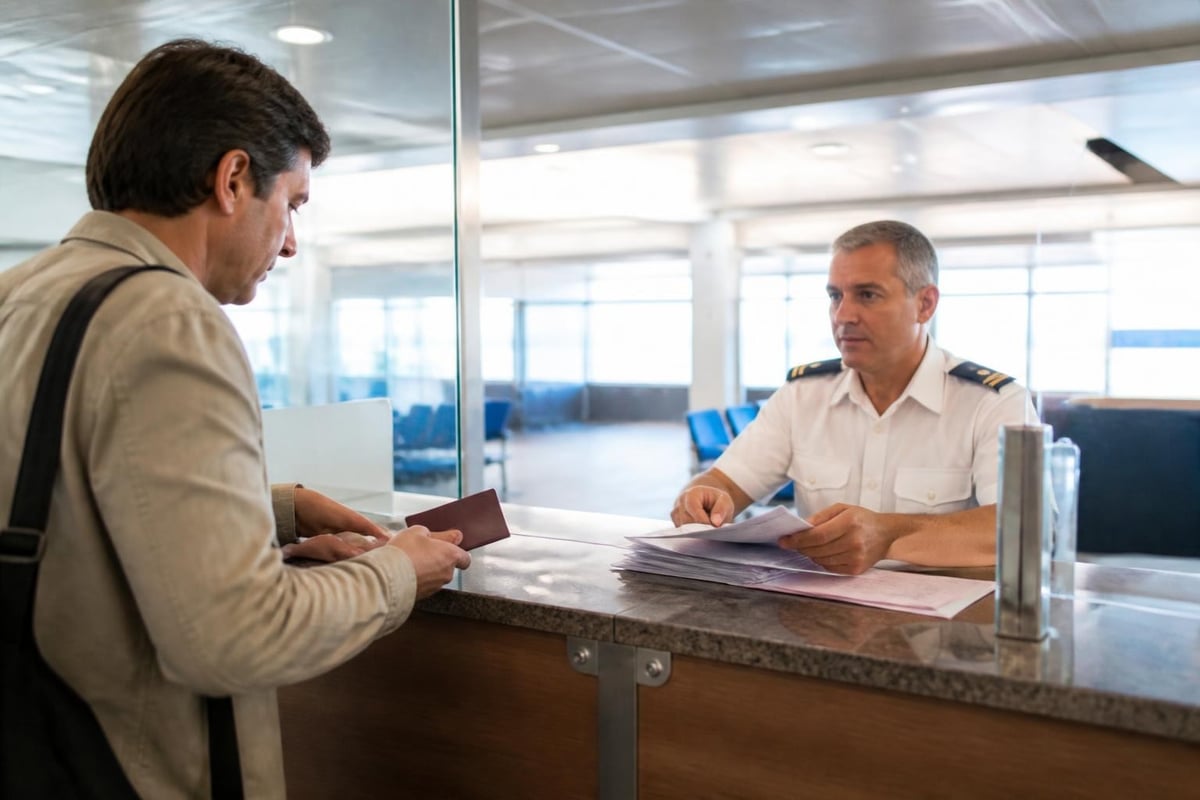
The Greece to Turkey crossing experience varies depending on your chosen route. Ferry terminals conduct passport control before boarding, with Turkish immigration officers processing arrivals at destination ports. Processing times typically range from 30 to 90 minutes depending on vessel size and passenger volume.
Ferry Routes Connecting Greece and Turkey
Multiple ferry services operate regular routes between Greek islands and Turkish coastal cities, creating convenient pathways for travelers seeking to explore both nations. These maritime connections have served as cultural bridges for centuries, continuing their role in modern tourism.
Popular Island-to-Coast Routes
The Dodecanese islands maintain the most frequent connections to Turkey's southwestern coast. Rhodes to Marmaris ferries operate year-round, with increased frequency during summer months. The crossing takes approximately 90 minutes, making it ideal for day trips or extended stays.
Kos to Bodrum represents another heavily trafficked route, connecting these vibrant destinations multiple times weekly. Current ferry schedules between Kos and Bodrum show departure times ranging from early morning to early afternoon, allowing flexible travel planning.
| Ferry Route | Duration | Peak Season Frequency | Off-Season Frequency |
|---|---|---|---|
| Rhodes – Marmaris | 90 minutes | Daily | 3-4 weekly |
| Kos – Bodrum | 45 minutes | Daily | 4-5 weekly |
| Samos – Kusadasi | 90 minutes | Daily | 2-3 weekly |
| Chios – Cesme | 45 minutes | Daily | Daily |
| Lesbos – Ayvalik | 120 minutes | 3 weekly | 2 weekly |
Seasonal Considerations and Booking Strategies
Ferry services from Greece to Turkey follow distinct seasonal patterns. High season runs from May through October, when Mediterranean weather conditions remain optimal and tourist demand peaks. During this period, advance booking becomes crucial, particularly for weekends and Greek or Turkish national holidays.
Winter schedules reduce significantly, with some routes operating only once or twice weekly. Bodrum Express Lines publishes updated timetables reflecting seasonal adjustments, helping travelers plan accordingly.
Booking recommendations:
- Reserve summer crossings 4-6 weeks advance
- Monitor weather forecasts for potential cancellations
- Purchase tickets directly from ferry companies for reliability
- Consider travel insurance covering sea transport
- Arrive at terminals 90 minutes before departure
Practical Logistics for Cross-Border Travel
Moving between Greece and Turkey involves more than securing passage and documentation. Understanding customs regulations, currency considerations, and communication logistics ensures travelers navigate the transition smoothly.
Customs Regulations and Personal Belongings
Turkey's customs authority maintains specific rules regarding goods travelers can bring across borders. Personal items for trip duration pass through freely, while certain categories require declaration or face restrictions.
The Republic of Turkey’s Ministry of Trade provides detailed guidance on customs formalities, particularly valuable for travelers bringing vehicles temporarily or carrying substantial personal electronics.
Items requiring attention:
- Alcohol limited to one liter of spirits
- Tobacco products capped at 600 cigarettes
- Perfumes restricted to five bottles maximum
- Electronic devices valued over specific thresholds
- Currency amounts exceeding $10,000 USD equivalent
Professional camera equipment, drones, and specialized sporting gear may require temporary import documentation. Declaring valuable items upon entry protects against complications during departure.
Currency and Financial Planning
Greece uses the euro while Turkey operates on the Turkish lira, necessitating currency exchange considerations. Exchange rates fluctuate, making timing and location of currency conversion important financial decisions.
ATMs throughout Turkish coastal cities accept international cards, typically offering competitive exchange rates compared to exchange bureaus. Notifying your bank about travel to both countries prevents card freezes from fraud detection systems.
Credit cards gain wide acceptance in major Turkish tourist areas, though smaller establishments and rural regions prefer cash. Carrying a mix of payment methods provides flexibility throughout your Greece to Turkey adventure.

Cultural Transitions and Travel Experiences
The journey from Greece to Turkey represents more than geographical movement-it bridges distinct cultural landscapes shaped by shared history and unique national identities. Understanding these nuances enriches your cross-border experience significantly.
Historical Connections and Shared Heritage
Greece and Turkey share profound historical connections dating back millennia. Ancient civilizations flourished across both territories, leaving archaeological treasures scattered throughout the Aegean region. The scholarly perspective on Greek-Turkish relations explores how historical events continue shaping modern interactions and cultural exchanges.
Byzantine churches, Ottoman fortresses, and Hellenistic ruins demonstrate how civilizations intertwined across these lands. Ephesus near Kusadasi, accessible via ferry from Samos, showcases remarkably preserved Greco-Roman architecture. Pergamon, reachable from Lesbos, offers another spectacular ancient site connecting both cultures.
UNESCO recognition of shared cultural heritage sites highlights collaborative preservation efforts. The UNESCO report on culture and peace initiatives documents projects where Greek and Turkish scholars work together protecting archaeological treasures and promoting mutual understanding through cultural tourism.
Culinary Discoveries Across Borders
Food culture presents fascinating similarities and distinctions between Greece and Turkey. Both cuisines celebrate fresh ingredients, Mediterranean flavors, and time-honored cooking traditions, yet each maintains unique specialties.
Greek tavernas emphasize olive oil, feta cheese, and grilled seafood, while Turkish restaurants spotlight kebabs, mezes, and distinctive spice combinations. Travelers moving from Greece to Turkey notice familiar elements-stuffed grape leaves, yogurt-based sauces, honey-drenched pastries-prepared with regional variations.
Notable culinary experiences include:
- Comparing Greek moussaka with Turkish musakka
- Exploring Turkish breakfast spreads versus Greek morning offerings
- Sampling regional wines and rakı traditions
- Discovering street food from both cultures
- Learning cooking techniques through local workshops
Planning Multi-Destination Itineraries
Creating comprehensive itineraries spanning Greece to Turkey requires strategic planning to maximize experiences while managing logistics efficiently. Thoughtful route design transforms separate country visits into cohesive journeys.
Strategic Route Planning
The most successful multi-country itineraries build natural progressions between destinations. Starting in Athens allows exploration of mainland Greece before island hopping through the Aegean toward Turkish shores. Alternatively, beginning in Istanbul and working westward toward Greek islands creates equally compelling narratives.
Sample two-week itinerary structure:
- Athens: 3 days exploring ancient sites and neighborhoods
- Mykonos: 2 days experiencing island culture
- Santorini: 3 days enjoying caldera views and villages
- Rhodes: 2 days before Turkey crossing
- Marmaris or Bodrum: 2 days Turkish coastal introduction
- Ephesus/Kusadasi: 2 days ancient site exploration
This progression allows natural ferry connections while distributing travel days evenly throughout the vacation. Buffer days account for weather delays or spontaneous discoveries that warrant extended stays.
Accommodation Strategies
Booking accommodations across two countries requires balancing flexibility with security. Major cities and established tourist areas offer abundant options through international platforms, while smaller coastal towns may require direct booking with boutique properties.
Accommodation considerations:
| Aspect | Greece | Turkey |
|---|---|---|
| Booking lead time | 3-6 weeks peak | 2-4 weeks peak |
| Cancellation policies | Generally flexible | Varies by property |
| Payment preferences | Credit cards accepted | Mix of credit/cash |
| Communication | English widely spoken | English in tourist areas |
| Price range | €80-250/night | $50-180/night |
Staying near ferry terminals before crossing days eliminates morning stress and potential missed departures. Many properties offer luggage storage if checkout times conflict with afternoon ferry schedules.

Transportation Within Turkey After Crossing
Once travelers complete their Greece to Turkey crossing, understanding Turkish domestic transportation options ensures continued mobility for exploration beyond arrival ports.
Coastal City Navigation
Turkish coastal cities like Bodrum, Marmaris, and Kusadasi offer diverse transportation ranging from public buses to private transfers. Dolmuş minibuses provide economical local transport, following set routes while departing when full rather than on strict schedules.
Taxi services operate abundantly in tourist areas, though negotiating fares beforehand prevents misunderstandings. Many hotels arrange airport or intercity transfers, often at competitive rates compared to independent taxi hiring.
Car rentals enable independent exploration of Turkey's southwestern coast, though international driving permits and familiarity with local traffic patterns prove valuable. Insurance coverage extending across Greece and Turkey requires verification during rental booking.
Connections to Interior Destinations
Turkey's bus network reaches virtually every corner of the country with frequent, comfortable service. Companies like Metro, Pamukkale, and Kamil Koç operate extensive routes connecting coastal cities to interior treasures such as Cappadocia, Istanbul, and Ankara.
Domestic flights from Bodrum and Dalaman airports provide rapid connections to Istanbul, Ankara, and other major cities. Budget carriers offer competitive fares when booked advance, though baggage policies warrant review for travelers carrying vacation luggage.
Health, Safety, and Communication
Maintaining health, safety, and communication capabilities while traveling from Greece to Turkey ensures peace of mind throughout your cross-border adventure.
Healthcare Access and Insurance
Both Greece and Turkey maintain modern healthcare systems, with private facilities in tourist areas offering excellent services. Travel insurance covering both countries becomes essential, as medical costs can accumulate rapidly for uninsured travelers.
European Health Insurance Cards (EHIC) cover emergency treatment in Greece for EU citizens but offer no benefits in Turkey. Comprehensive travel insurance should include medical evacuation, as regional political considerations occasionally affect access between nations, as referenced in European security architecture analyses.
Pharmacies operate abundantly in both countries, with many medications available without prescriptions that require them elsewhere. Carrying sufficient supplies of prescription medications, particularly for the transition period, prevents interruptions in treatment.
Mobile Connectivity and Internet Access
Mobile phone service transitions require attention when crossing from Greece to Turkey. EU roaming regulations covering Greece do not extend to Turkey, potentially triggering expensive roaming charges on European SIM cards.
Connectivity solutions:
- Purchase Turkish SIM cards at arrival ports
- Activate international roaming packages before departure
- Rely on WiFi at accommodations and restaurants
- Download offline maps before crossing
- Use messaging apps over WiFi for communication
Turkish mobile operators Turkcell, Vodafone Turkey, and Türk Telekom sell tourist SIM packages at ferry terminals and airports. These typically include generous data allowances at reasonable prices, activating immediately upon purchase.
Timing Your Greece to Turkey Journey
Selecting optimal timing for cross-border travel significantly impacts experience quality, from weather conditions to crowd levels and pricing structures.
Best Seasons for Combined Travel
Spring (April-May) and fall (September-October) offer ideal conditions for Greece to Turkey travel. Temperatures remain comfortable for sightseeing, ferry schedules operate reliably, and tourist crowds thin compared to peak summer months.
Summer (June-August) delivers guaranteed sunshine and maximum ferry frequency but brings intense heat and premium pricing. Coastal areas become particularly crowded during July and August when European vacation schedules peak.
Winter travel (November-March) suits travelers seeking authentic experiences and budget-friendly rates. However, reduced ferry schedules and occasional weather disruptions require flexible planning and patience.
Cultural Events and Festivals
Aligning travel with cultural celebrations enriches the Greece to Turkey experience substantially. Greek Orthodox Easter transforms island communities with midnight services and festive meals. Turkish Republic Day (October 29) showcases national pride through parades and celebrations.
Notable annual events:
- Athens Epidaurus Festival: June-August
- Bodrum International Ballet Festival: August
- Rhodes Medieval Rose Festival: May
- Istanbul Film Festival: April
- Kusadasi Youth Festival: May
Planning around major holidays requires advance booking as domestic travelers fill accommodations and transportation. Conversely, experiencing these celebrations provides unforgettable cultural insights unavailable during ordinary periods.
Regional Geopolitical Awareness
Understanding current bilateral relations between Greece and Turkey helps travelers navigate their journey with appropriate awareness and sensitivity. While tourism flourishes between nations, occasional diplomatic tensions affect specific regions or border procedures.
The European Commission’s assessment of EU-Turkey relations provides background on maritime issues and Aegean developments relevant to travelers. Most tourist areas remain entirely unaffected by political discussions, though staying informed through reliable sources proves prudent.
Border procedures occasionally tighten temporarily during diplomatic negotiations, potentially extending processing times. Allowing extra time for ferry connections and maintaining flexible schedules accommodates these rare but possible delays.
Maximizing Your Cross-Border Adventure
Approaching Greece to Turkey travel with strategic preparation transforms logistics into seamless experiences. Research ferry schedules, understand documentation requirements, and book advance where beneficial while maintaining flexibility for spontaneous discoveries.
Cultural openness enhances every interaction. Learning basic phrases in both Greek and Turkish, respecting local customs, and approaching differences with curiosity rather than judgment creates meaningful connections with people encountered throughout your journey.
Photography opportunities abound across both nations, from Santorini sunsets to Ephesus columns. Respecting photography restrictions at archaeological sites and religious buildings demonstrates cultural awareness while protecting these treasures for future generations.
Crossing from Greece to Turkey opens doorways to extraordinary cultural diversity, ancient wonders, and unforgettable Mediterranean experiences that single-country itineraries cannot match. Whether you're drawn to archaeological sites spanning millennia, culinary adventures across two distinct traditions, or simply the romance of island-hopping between civilizations, this cross-border journey rewards thoughtful planning with memories lasting lifetimes. Hellenic Holidays specializes in crafting seamless multi-country itineraries that handle all logistics-from ferry bookings to accommodation selection-allowing you to focus entirely on experiencing the magic where Europe meets Asia. Let their expertise transform your Greece to Turkey dreams into perfectly orchestrated reality.