
Greece What to Do: Your Complete 2026 Travel Guide
Greece captivates travelers with its ancient ruins, sun-drenched islands, and vibrant culture that seamlessly blends history with modern Mediterranean life. Whether you're planning your first visit or returning to explore deeper, understanding greece what to do can transform a good vacation into an extraordinary journey. From the iconic Acropolis to hidden village tavernas, this guide breaks down the essential experiences, practical tips, and insider knowledge you need to craft an unforgettable Greek adventure.
Explore Ancient Archaeological Wonders
Greece's archaeological sites offer direct connections to Western civilization's foundations. The Delphi Archaeological Museum houses treasures from the ancient Oracle's sanctuary, where pilgrims once sought divine guidance. Beyond Athens, discovering greece what to do means venturing to these historic locations that shaped philosophy, democracy, and art.
Athens: The Historical Heart
The Acropolis dominates Athens' skyline and represents the pinnacle of classical Greek achievement. Arrive early in the morning to beat crowds and summer heat. The Parthenon's massive columns and intricate friezes demonstrate architectural precision that remains unmatched millennia later.
Must-visit Athens sites include:
- The Acropolis Museum showcasing original sculptures and artifacts
- Ancient Agora where Socrates once walked and debated
- Temple of Olympian Zeus with its towering Corinthian columns
- Panathenaic Stadium, the marble venue of the first modern Olympics
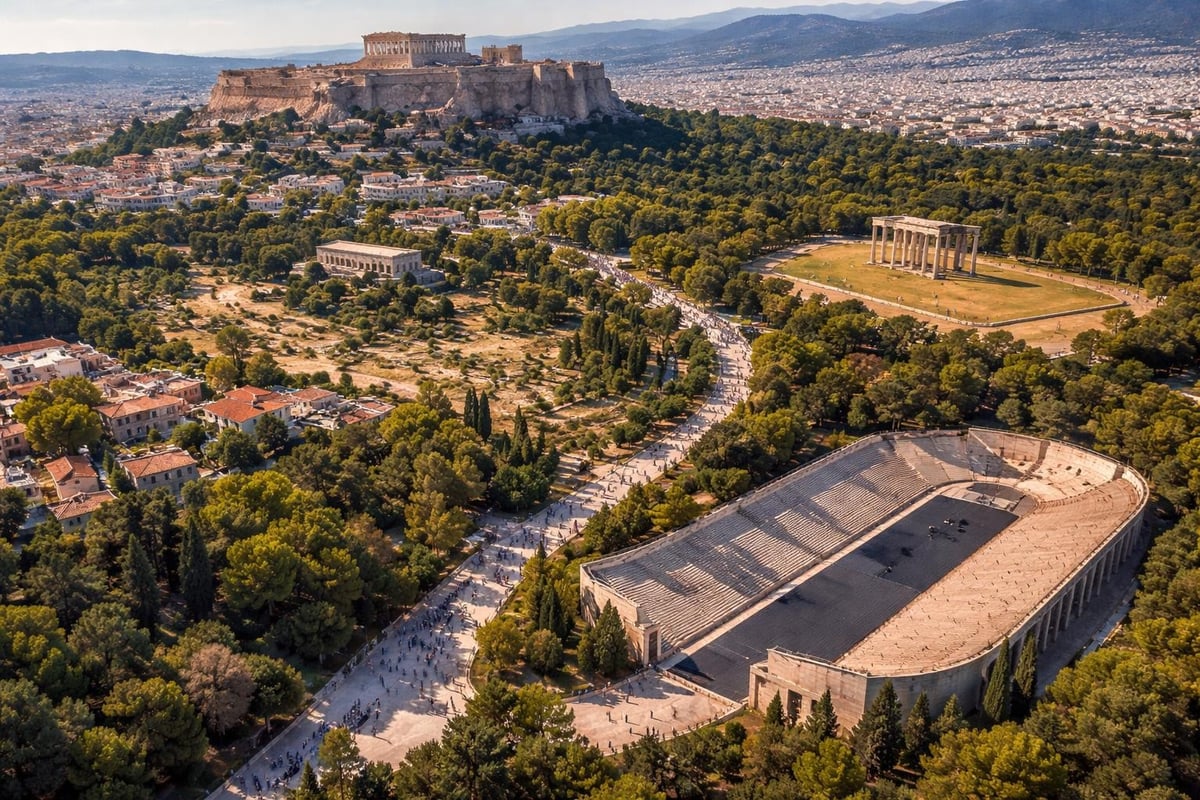
The Plaka neighborhood beneath the Acropolis offers winding streets filled with neoclassical architecture, family-run restaurants, and artisan shops. Allocate at least three full days to properly experience Athens' depth, though many visitors rush through in one day.
Beyond Athens: Regional Archaeological Treasures
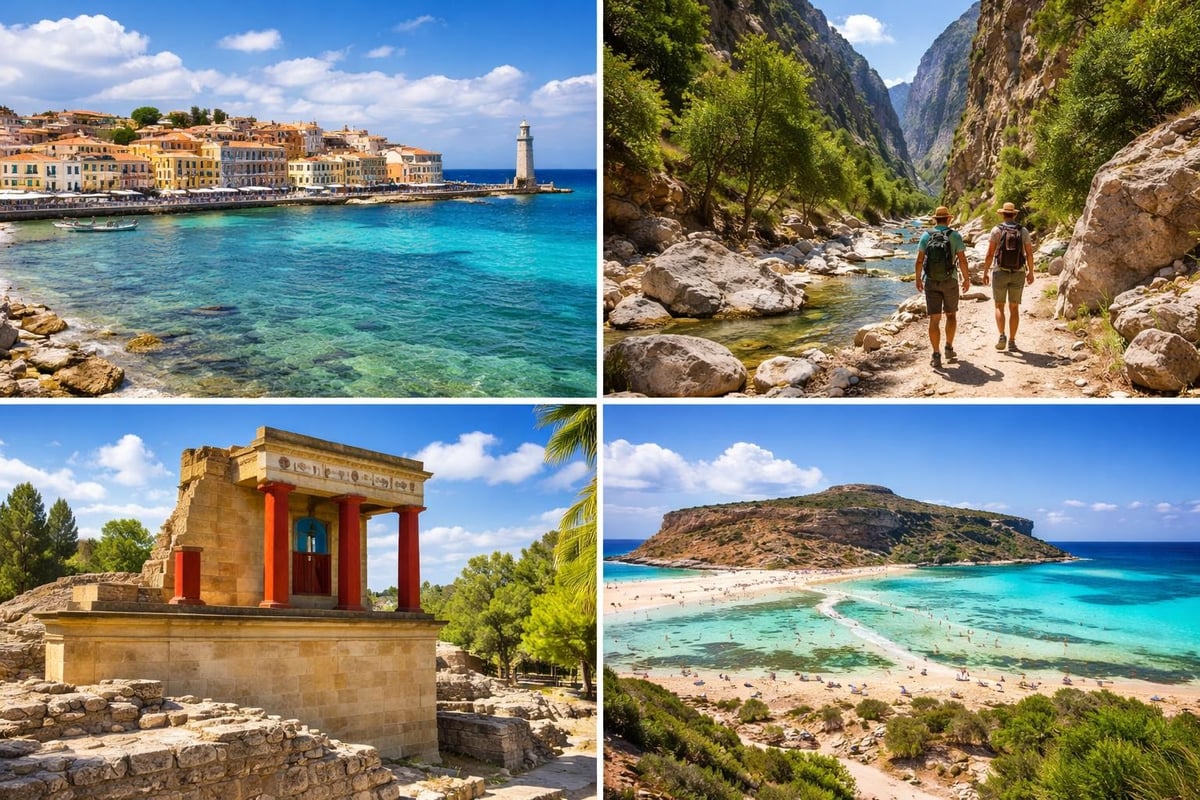
The Heraklion Archaeological Museum on Crete preserves Europe's oldest civilization through Minoan artifacts. The nearby Palace of Knossos, with its vibrant frescoes and labyrinthine layout, inspired ancient Greek mythology about the Minotaur.
Delphi sits on Mount Parnassus's slopes, offering both archaeological wonder and stunning mountain views. The Temple of Apollo ruins, ancient theater, and stadium create a complete picture of Greece's most important religious sanctuary. When considering greece what to do for history enthusiasts, Delphi ranks among the top three destinations.
| Archaeological Site | Best Time to Visit | Typical Visit Duration | Highlights |
|---|---|---|---|
| Acropolis, Athens | Early morning or late afternoon | 2-3 hours | Parthenon, Erechtheion, Acropolis Museum |
| Delphi | Spring or fall | Half day | Temple of Apollo, Ancient Theater, Museum |
| Knossos, Crete | Morning hours | 2-3 hours | Minoan Palace, Throne Room, Frescoes |
| Epidaurus | Afternoon | 2 hours | Ancient Theater with perfect acoustics |
Experience Greece's Island Paradise
Island hopping represents quintessential Greek travel. Each island maintains distinct character, from Santorini's dramatic caldera to Naxos's marble mountains and pristine beaches. Determining greece what to do island-wise depends on your interests and available time.
Cyclades: Iconic White and Blue
Santorini delivers postcard-perfect views with clifftop villages, sunset vistas, and volcanic beaches. Oia's blue-domed churches attract photographers worldwide, though Imerovigli and Pyrgos offer equally stunning perspectives with fewer crowds. Wine tasting at volcanic vineyards producing Assyrtiko grapes adds cultural depth beyond Instagram moments.
Mykonos balances cosmopolitan beach clubs with traditional Cycladic charm. Wander the maze-like streets of Hora, visit the iconic windmills, then escape to quieter beaches like Agios Sostis or Fokos for authentic Greek beach experiences.
Island-hopping combinations:
- Classic route: Mykonos – Paros – Naxos – Santorini (10-14 days)
- Off-the-beaten-path: Milos – Folegandros – Sikinos – Ios (7-10 days)
- Cultural focus: Delos – Naxos – Rhodes – Crete (14+ days)
Naxos offers the Cyclades' best beaches along with mountain villages and ancient ruins like the Temple of Apollo. The Portara gateway stands as a solitary marble frame on its own islet, creating one of Greece's most photographed monuments at sunset.
Crete: Greece's Largest Island
Crete functions essentially as its own country within Greece, with distinct dialects, cuisine, and traditions. The island spans 260 kilometers, requiring strategic planning for greece what to do activities across different regions.
Chania's Venetian harbor exemplifies the island's layered history with Ottoman mosques, Byzantine churches, and Italian architecture surrounding a picturesque waterfront. The Samaria Gorge offers Europe's longest gorge hike through dramatic landscapes. Beach lovers find paradise at Balos Lagoon and Elafonisi with their turquoise waters and pink-tinged sands.
Immerse Yourself in Authentic Greek Culture
Cultural experiences separate memorable trips from transformative ones. Greece's living traditions extend beyond ancient history into daily life, cuisine, and seasonal celebrations.
Culinary Adventures
Greek cuisine centers on fresh, local ingredients prepared simply to highlight natural flavors. Move beyond basic taverna fare to discover regional specialties. In Thessaloniki, bougatsa pastries filled with custard fuel morning routines, while the city's vibrant food markets showcase northern Greece's Balkan influences.
Cooking classes offer hands-on cultural immersion. Learn to prepare moussaka, spanakopita, or dolmades from local hosts in their homes or family-run cooking schools. These experiences typically include market visits to source ingredients and end with communal meals paired with local wines.
Traditional Villages and Local Life
Mountain villages preserve Greek traditions diluted in tourist centers. Zagori's stone villages in Epirus showcase distinctive architecture and access to Vikos–Aoös National Park, home to dramatic gorges and hiking trails. The Mani Peninsula's tower houses tell stories of feuding families and fierce independence.
Authentic village experiences include:
- Participating in olive harvest (October-December)
- Attending name day celebrations at village churches
- Learning traditional crafts from local artisans
- Joining locals for evening volta (stroll) in village squares
Adventure and Nature Activities
Beyond beaches and ruins, Greece offers diverse landscapes for active travelers. When planning greece what to do for adventure seekers, options range from mountain hikes to water sports and wildlife encounters.
Hiking and Mountain Exploration
Mount Olympus, mythological home of the gods, challenges hikers with trails leading to Greece's highest peak at 2,918 meters. The two-day ascent passes through diverse ecosystems from Mediterranean forests to alpine zones above the clouds.
The Pelion Peninsula combines mountain villages with coastal access, offering trails connecting stone mansions to hidden beaches. Spring brings wildflower carpets and ideal temperatures for extended hikes through chestnut and oak forests.
| Hiking Destination | Difficulty | Best Season | Duration | Special Features |
|---|---|---|---|---|
| Mount Olympus | Challenging | June-September | 2 days | Greece's highest peak, refuges |
| Samaria Gorge | Moderate | May-October | 5-7 hours | 16km gorge descent |
| Vikos Gorge | Moderate | April-October | 6-8 hours | World's deepest gorge (Guinness) |
| Meteora Trails | Easy-Moderate | Year-round | 2-4 hours | Monastery views, rock formations |
Water Sports and Marine Activities
Greek coastlines provide exceptional conditions for sailing, diving, and kayaking. The Ionian Islands' protected bays suit beginners, while the Aegean's meltemi winds challenge experienced sailors. Diving centers operate throughout the islands, with underwater archaeological sites protected but viewable in designated areas.
Sea kayaking around Milos reveals hidden caves and inaccessible beaches. Full-day and multi-day expeditions explore volcanic rock formations and crystalline waters away from ferry-accessible crowds. Paddleboarding has exploded in popularity, with equipment rentals available at most developed beaches.
Navigate Seasonal Considerations
Timing dramatically affects your Greek experience. Understanding seasonal variations helps answer greece what to do questions based on when you're traveling.
Peak Season (June-August)
Summer brings guaranteed sunshine, warm seas, and vibrant energy but also crowds and premium prices. Accommodation in popular destinations should be booked months ahead. The National Geographic guide to Greece recommends this period for island hopping and beach activities despite the tourist influx.
Peak season advantages:
- All businesses operational, maximum ferry schedules
- Beach clubs and nightlife at full capacity
- Longest daylight hours for sightseeing
- Guaranteed swimming weather
Peak season challenges:
- Extreme heat at archaeological sites (35-40°C)
- Inflated prices for accommodation and services
- Crowded attractions requiring early arrival
- Limited authentic interactions with locals
Shoulder Seasons (April-May, September-October)
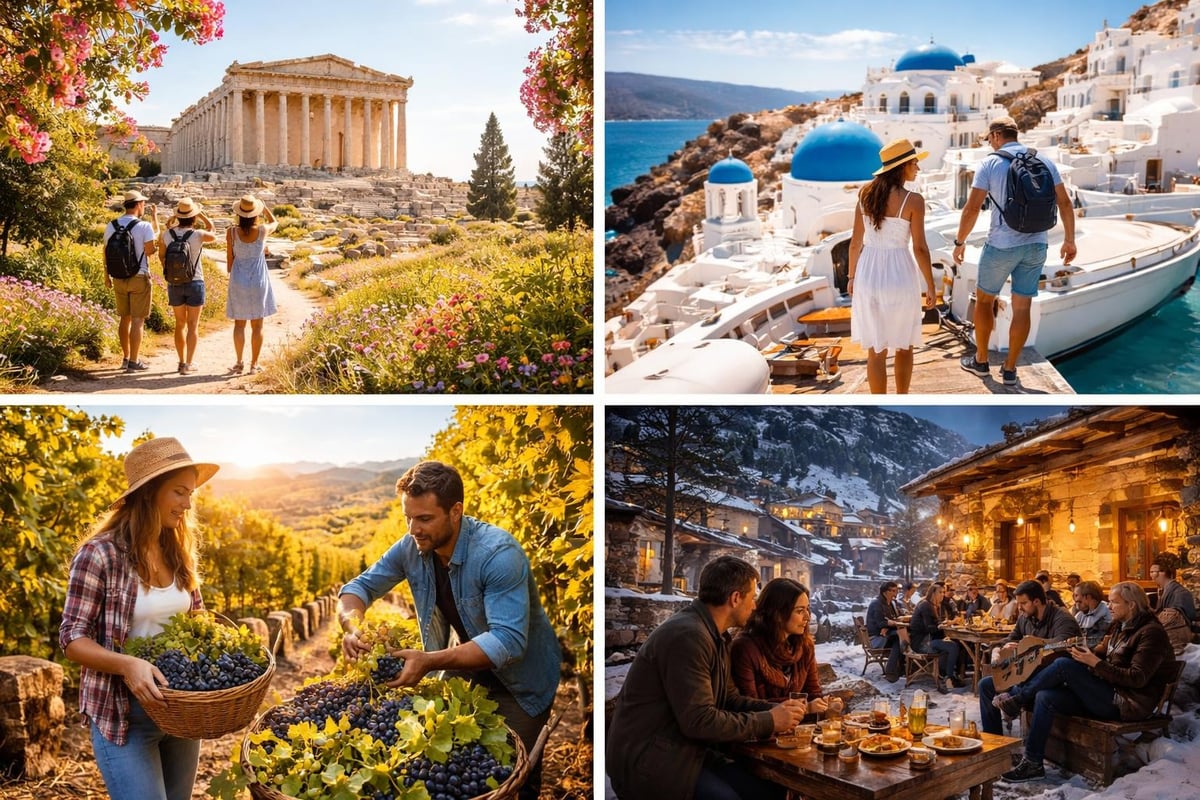
These periods offer Greece's best value and experience combination. Temperatures remain pleasant for both activities and beach time. Spring wildflowers transform landscapes, while autumn brings grape harvest traditions and wine festivals.
Archaeological sites become manageable without summer crowds. Accommodation prices drop 30-50% compared to peak season, and tavernas welcome guests with more personal attention. September water temperatures actually peak, remaining warm through October.
Off-Season (November-March)
Winter Greece surprises travelers with its authenticity. While islands quiet down and many hotels close, cities like Athens, Thessaloniki, and locations near the White Tower maintain vibrant urban life. Ski resorts operate in northern mountains, and cultural events fill theater and concert hall calendars.
This period suits travelers focused on archaeological sites, museums, and urban culture rather than beach activities. Prices reach annual lows, and interactions with locals become richer without summer's tourist rush.
Plan Transportation Between Destinations
Understanding Greece's transportation network prevents frustration and wasted time. When determining greece what to do logistics, factor in travel times between regions.
Ferry Network
Greek ferries connect hundreds of islands through an extensive network. High-speed catamarans reduce travel times but cost more than conventional ferries and don't operate in rough weather. Book popular routes weeks ahead during summer, though shoulder season allows flexibility.
The Lonely Planet Greece guide emphasizes checking actual travel times rather than direct distances. Mykonos to Santorini takes 2-5 hours depending on ferry type and intermediate stops. Island chains allow logical progression, though jumping between different regions requires returning to mainland ports or hub islands.
Domestic Flights
Athens Airport serves as the main hub for domestic flights reaching islands and mainland cities. Budget carriers and regional airlines operate frequent summer service to major islands, often cheaper and faster than ferries for long distances. Book early for best prices, especially for Rhodes, Crete, Corfu, and Santorini routes.
Rental Cars and Driving
Rental cars provide freedom to explore at your own pace, essential for regions like Crete, Peloponnese, and northern Greece. International driving permits complement foreign licenses. Greek drivers maintain aggressive styles, especially in Athens. Mountain roads require confident driving and attention to sharp curves and narrow passages.
Vehicle recommendations by region:
| Region | Vehicle Type | Reason | Road Conditions |
|---|---|---|---|
| Crete | Compact SUV | Mixed terrain, mountain villages | Variable, some unpaved |
| Athens area | Small car | Tight parking, city traffic | Paved, congested |
| Peloponnese | Mid-size sedan | Highway and coastal driving | Good highways, winding coastal roads |
| Islands | Scooter/ATV | Short distances, parking ease | Mostly paved, steep in places |
Create Your Custom Itinerary
Greece rewards travelers who balance iconic highlights with personal discoveries. The country's manageable size allows combining multiple experiences within single trips, though attempting too much creates stress rather than enjoyment.
First-Time Visitor Focus
First visits should include Athens for historical context, at least two islands showcasing different characters, and one mainland highlight. A 10-14 day itinerary provides adequate time without feeling rushed. Consider Athens (3 days), Santorini (3 days), Naxos (3 days), and Delphi or Meteora (2 days) as a balanced introduction.
Return Visitor Strategies
Second and subsequent visits allow deeper exploration of specific regions. Focus on areas skipped previously or dedicate entire trips to single destinations like Crete or island groups like the Dodecanese. Seasonal timing enables different activities than previous visits.
Exploring the complete range of destinations available helps identify lesser-known regions that match your interests. The Sporades, Ionian Islands, and Thrace offer authentic experiences away from overcrowded hotspots.
Special Interest Journeys
Thematic trips deepen engagement with specific aspects of Greek culture. Wine-focused journeys visit Santorini's volcanic vineyards, Macedonia's Xinomavro producers, and Nemea's ancient wine regions. Archaeological enthusiasts can structure trips around specific periods or dedicate time to smaller sites that reveal daily ancient life beyond monumental temples.
Family travelers might include destinations like Attica Zoological Park alongside beaches and accessible historical sites. The park's conservation focus and diverse species provide educational entertainment for children while parents appreciate proximity to Athens.
Budget Wisely for Greek Travel
Greece offers value across budget ranges when you understand cost factors. Determining greece what to do within specific budgets requires prioritizing experiences and knowing where splurging adds value versus where economizing maintains quality.
Accommodation Strategies
Hotel categories range from basic rooms to luxury resorts. Consider mix-and-match approaches, splurging on view hotels in Santorini while choosing simpler accommodations elsewhere. Shoulder season unlocks significant savings without sacrificing quality. Family-run guesthouses and boutique hotels often provide superior experiences to faceless hotel chains at competitive prices.
Reviewing available accommodation options across different categories helps identify properties matching both budget and experience preferences. Location matters tremendously, with caldera-view rooms commanding premium prices while valley locations offer similar amenities at fraction of costs.
Dining Economics
Tavernas away from prime tourist areas serve excellent food at reasonable prices. Fresh fish gets priced by weight, potentially expensive but worth occasional splurging. Lunch specials and fixed-price menus provide value, while bakeries and street food offer authentic, budget-friendly options.
Daily budget estimates (per person):
- Budget: €50-75 (hostel/basic room, taverna meals, public transport, limited paid sites)
- Mid-range: €100-150 (3-star hotel, mixed dining, some taxis, major attractions)
- Comfortable: €200-300 (4-star hotel, quality restaurants, private transport, activities)
- Luxury: €400+ (5-star resort, fine dining, private guides, exclusive experiences)
Activity and Entrance Costs
Major archaeological sites charge €10-20 entrance fees, though multi-site passes provide savings. Many museums offer free entry on specific days monthly. Beaches remain largely free outside organized sections with lounge chairs. Boat tours, cooking classes, and guided experiences add up quickly but deliver value through local expertise and access.
Respect Local Customs and Etiquette
Cultural sensitivity enhances experiences and interactions. Greeks appreciate visitors who show respect for traditions and make efforts to understand local norms.
Social Interactions
Greeks value personal connections and conversation. Expect shopkeepers to chat rather than rushing transactions. Dining involves leisurely meals with multiple courses spread over hours. Tipping customs differ from American norms, with 5-10% appropriate for good service rather than automatic 20%.
Essential phrases and their impact:
- "Kalimera" (good morning) opens doors and smiles
- "Efharisto" (thank you) shows appreciation
- "Parakalo" (please/you're welcome) demonstrates politeness
- "Yamas" (cheers) builds camaraderie over meals
Religious and Cultural Respect
Greece remains deeply Orthodox Christian, with religious festivals and traditions woven through daily life. Dress modestly when visiting monasteries and churches, covering shoulders and knees. Photography restrictions apply inside many religious sites. Sunday mornings find locals attending services rather than conducting business.
Name days hold greater significance than birthdays for many Greeks. Celebrating the saint for whom someone is named involves open houses and gatherings where visitors arrive without formal invitations.
Greece offers infinite possibilities for discovery, from world-famous archaeological sites to hidden mountain villages where traditions endure unchanged for generations. The key to exceptional Greek travel lies in balancing iconic experiences with authentic moments that reveal the country's living culture beyond its ancient stones. Whether you're drawn to island paradises, historical wonders, or culinary adventures, understanding greece what to do helps transform a simple vacation into a journey of genuine connection and discovery. Hellenic Holidays specializes in crafting personalized Greek itineraries that match your interests, pace, and travel style, creating award-winning journeys that go beyond standard tourist routes to reveal Greece's authentic heart.