
Lefkada Travel Guide: Greece’s Authentic Island Paradise
Nestled in the Ionian Sea, Lefkada stands apart from Greece's more famous islands while offering everything discerning travelers seek in a Mediterranean escape. Connected to mainland Greece by a narrow causeway and floating bridge, this accessible yet unspoiled island combines dramatic white cliffs, emerald waters, traditional mountain villages, and world-class sailing conditions. Unlike destinations overwhelmed by mass tourism, Lefkada maintains its authentic character, where Greek families vacation alongside international visitors seeking experiences beyond the typical island circuit. For travelers planning tailor-made Greece vacations, this island represents the perfect blend of natural beauty, cultural richness, and adventure opportunities that create truly memorable journeys.
Geographic Distinction and Natural Landscapes
Lefkada's unique geography creates landscapes unlike any other Greek island. The island spans approximately 302 square kilometers, making it the fourth-largest Ionian island, yet its compact size allows visitors to explore diverse ecosystems within short distances.
The western coastline showcases some of Europe's most dramatic sea cliffs, plunging hundreds of meters into crystalline waters. These limestone formations, worn smooth by millennia of wind and waves, create the iconic white-rock beaches that give Lefkada its name. The eastern shore presents a gentler topography, with sheltered bays, olive groves, and traditional settlements cascading down hillsides toward protected harbors.
Protected Areas and Conservation
Environmental stewardship plays a crucial role in preserving Lefkada's natural heritage. The Management Unit of Acheloos Valley and Amvrakikos Gulf protected areas oversees several Natura 2000 sites surrounding the island, protecting critical habitats for endemic species and migratory birds.
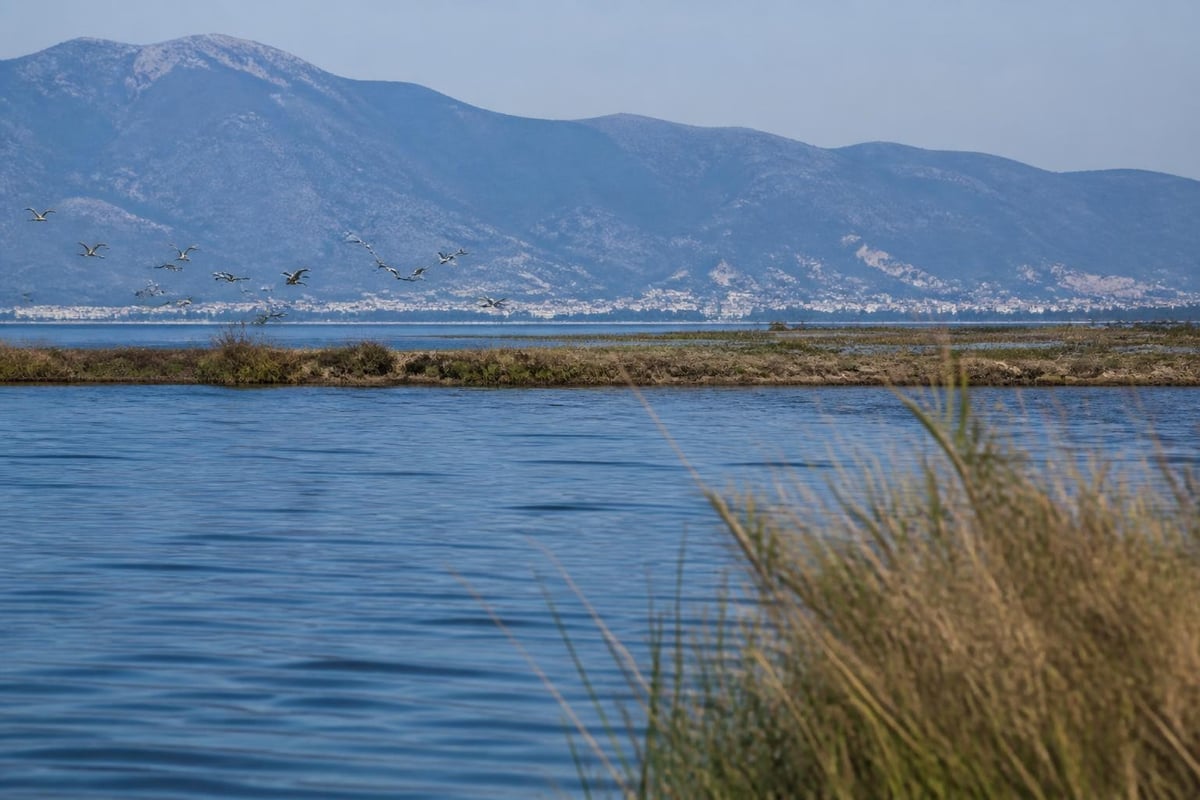
The lagoons and wetlands near the causeway serve as important stopover points for migratory waterfowl traveling between Africa and Northern Europe. These protected zones support diverse ecosystems where freshwater marshes meet saltwater environments, creating unique conditions for specialized plant and animal communities.
Key Conservation Features:
- Wetland habitats supporting 63 bird species
- Marine protected zones preserving Posidonia seagrass meadows
- Coastal cliff ecosystems hosting rare endemic plants
- Sustainable fishing zones balancing tradition with conservation
Cultural Heritage and Archaeological Significance
Lefkada's human history extends back over 4,000 years, with archaeological evidence revealing continuous settlement since the early Bronze Age. The island's strategic position made it valuable to successive civilizations, from Mycenaean kingdoms through Roman occupation to Byzantine, Venetian, and Ottoman periods.
The Archaeological Museum of Lefkada houses an exceptional collection documenting this layered history. Exhibits span from Paleolithic tools through classical sculpture, Byzantine religious art, and Ottoman-era ceramics. The museum's most celebrated treasures include grave offerings from ancient Nirikos, showcasing the sophisticated metalworking and artistic achievements of the island's early inhabitants.
Traditional Architecture and Settlement Patterns
Walking through Lefkada's mountain villages reveals architectural traditions developed over centuries. Following devastating earthquakes in the 17th and 18th centuries, builders adopted unique anti-seismic construction methods using wooden frames filled with stone and plaster, then covered with sheet metal or painted timber.
This distinctive building style creates streetscapes found nowhere else in Greece. Colorful facades in ochre, blue, and terra cotta line narrow lanes where balconies overhang stone-paved alleys. The technique proved remarkably effective, allowing structures to flex during tremors rather than collapse.
| Architectural Period | Features | Examples |
|---|---|---|
| Venetian (1500s-1700s) | Stone fortifications, Catholic churches | Santa Mavra Fortress |
| Ottoman (1700s-1800s) | Mosques, baths, administrative buildings | Converted structures in Lefkada Town |
| Anti-seismic (1800s-present) | Wooden-frame construction, metal facades | Traditional houses throughout villages |
| Modern (1950s-present) | Concrete with traditional aesthetics | Newer developments in coastal areas |
Beaches and Coastal Attractions
Lefkada's coastline ranks among the Mediterranean's most spectacular, offering beaches that satisfy every preference from bustling social scenes to isolated wilderness coves accessible only by boat.
Western Coast Beaches
The western shore faces the open Ionian Sea, where constant wave action sculpts dramatic landscapes and creates the intense turquoise colors that have made certain beaches internationally famous. Porto Katsiki, Egremni, and Kathisma consistently appear on lists of Europe's best beaches, drawing visitors who arrive by car, boat, or organized excursions.
These beaches share common characteristics: white pebbles and coarse sand, dramatically steep cliffs providing afternoon shade, and gradient waters transitioning from pale aquamarine in the shallows to deep sapphire offshore. Natural springs emerging from the limestone cliffs keep the water refreshingly cool even in August heat.
Access varies considerably. Some beaches offer full facilities with beach bars, umbrella rentals, and parking areas connected by paved roads. Others require hiking down steep paths or arrival by private boat, rewarding the effort with near-solitude even in peak season.
Eastern Coast and Sailing Waters
The protected eastern coastline creates ideal conditions for sailing, windsurfing, and other water sports. National Geographic highlights the Ionian islands as one of the world's premier sailing destinations, with Lefkada serving as a natural hub for exploring the surrounding archipelago.
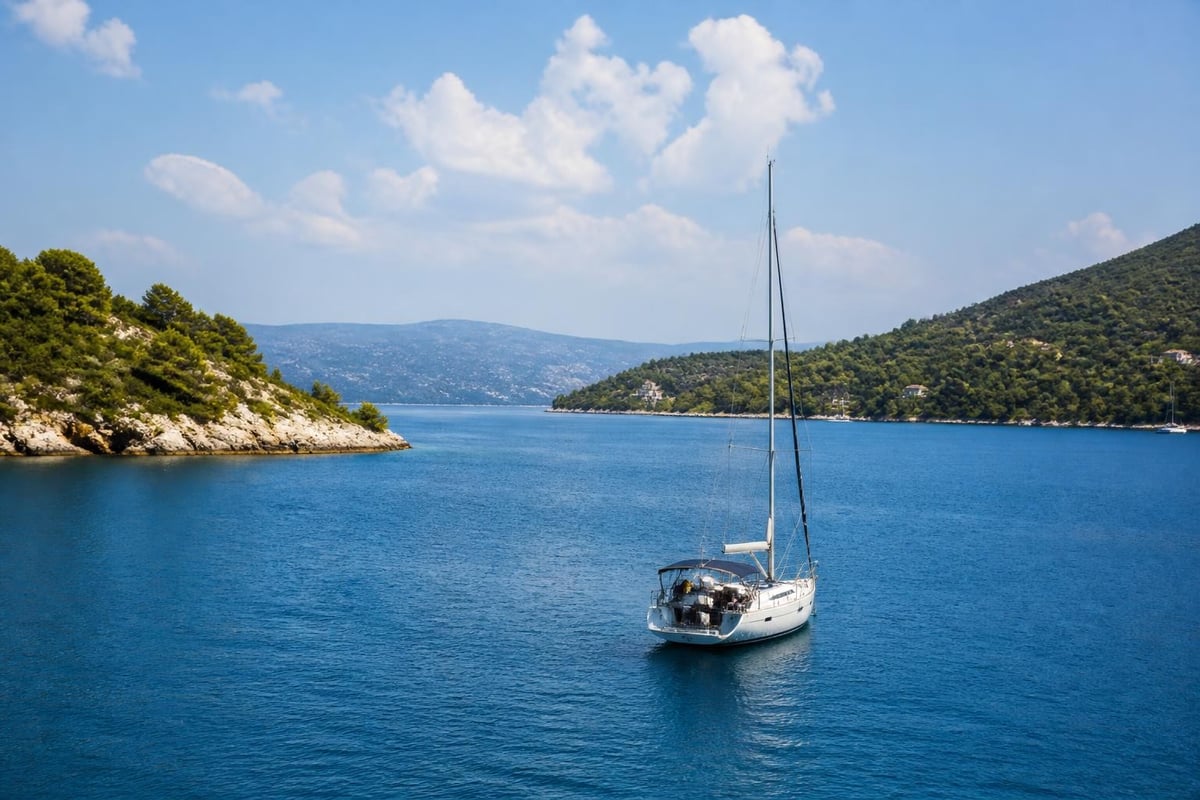
The town of Nidri serves as the island's primary sailing base, with multiple marinas offering charters, provisioning, and repair services. From here, sailors can explore the protected passages between Lefkada and smaller satellite islands, discovering hidden anchorages, sea caves, and traditional fishing villages accessible only by water.
Popular Sailing Destinations from Lefkada:
- Meganisi Island: Traditional villages, quiet coves, tavernas serving fresh catch
- Skorpios: Former Onassis private island (viewing from water only)
- Kalamos and Kastos: Remote islands with authentic Greek island atmosphere
- Sea caves near Cape Lefkatas: Natural formations carved into western cliffs
- Sivota Bay: Protected anchorage with multiple restaurants and swimming spots
Adventure Activities and Outdoor Experiences
Beyond beaches and sailing, Lefkada offers diverse outdoor activities leveraging its varied terrain and Mediterranean climate. The island appeals particularly to active travelers seeking experiences that combine physical challenge with cultural immersion.
Hiking and Mountain Exploration
The mountainous interior features trails ranging from easy village-to-village walks to challenging summit ascents. The highest peak, Stavrota, reaches 1,158 meters, offering panoramic views across the Ionian Sea to neighboring Kefalonia and the mainland mountains.
Traditional kalderimi (stone-paved paths) connect hilltop villages that once relied on foot and mule transport. These historic routes pass through olive groves, cypress forests, and scrubland dotted with wild herbs including oregano, sage, and thyme. Spring hiking (April-May) reveals wildflower displays transforming hillsides into colorful tapestries.
Local guides offer themed walks focusing on specific interests: medicinal plants and traditional remedies, birdwatching along migration routes, photography expeditions capturing sunset vistas, or cultural walks visiting Byzantine chapels and abandoned settlements.
Water Sports and Marine Activities
The island's varied coastline and reliable summer winds create conditions suited to multiple water-based activities. Vasiliki, on the southern coast, gained international recognition in windsurfing circles for its consistent afternoon thermal winds. The bay's unique geography generates predictable conditions perfect for both learning and advanced technique development.
| Activity | Best Location | Season | Skill Level |
|---|---|---|---|
| Windsurfing | Vasiliki Bay | May-September | All levels |
| Kitesurfing | Milos Beach | June-August | Intermediate-Advanced |
| Sea kayaking | Eastern coast | April-October | Beginner-Intermediate |
| Stand-up paddleboarding | Nidri, Sivota | May-October | All levels |
| Scuba diving | Various sites | May-October | Certified divers |
Diving centers operate from several coastal towns, offering guided dives to underwater caves, reef systems, and historical wrecks. The clear waters provide visibility often exceeding 30 meters, revealing Mediterranean marine ecosystems including octopus, grouper, and occasional dolphin encounters.
Culinary Traditions and Local Gastronomy
Lefkada's food culture reflects both its island character and agricultural heritage. Local cuisine emphasizes ingredients from land and sea, prepared using traditional methods passed through generations.
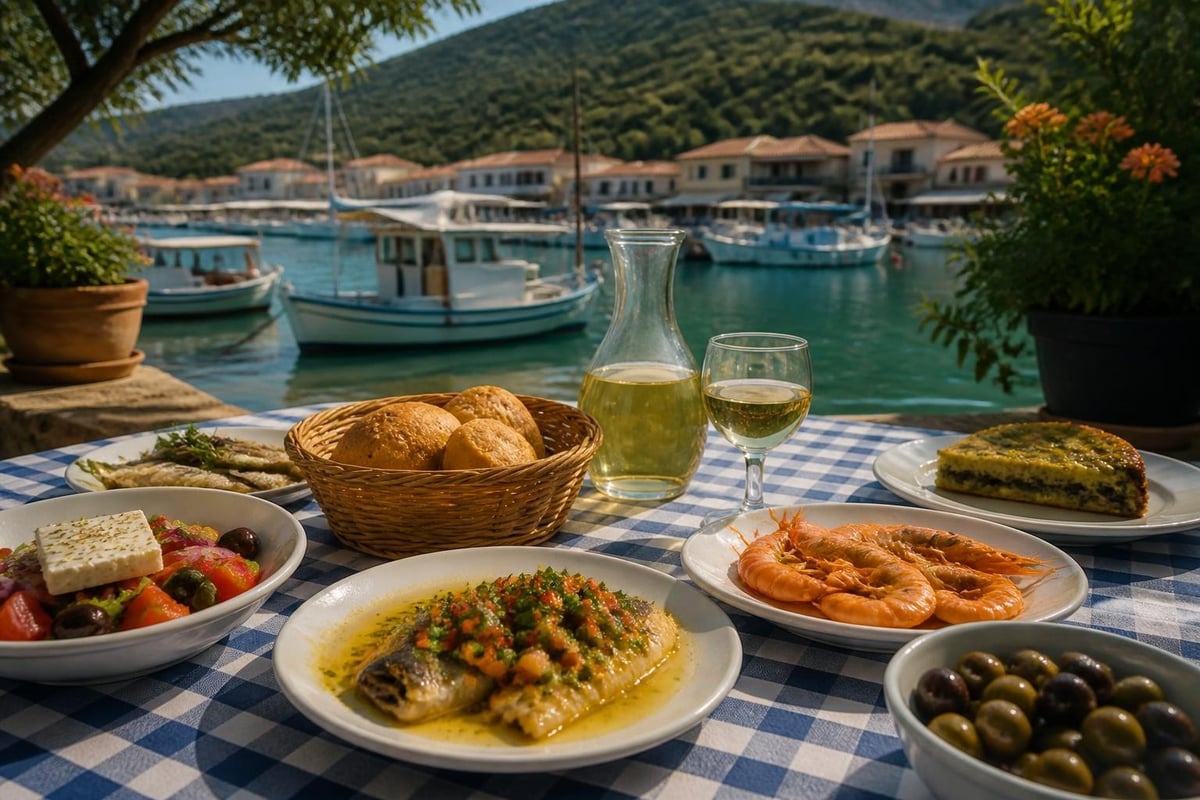
The island's signature dishes include savoro (fried fish preserved in vinegar and rosemary), sofigadoura (meat and onion pie), and ladotyri cheese made from sheep's milk and preserved in olive oil. These specialties appear on taverna menus alongside standard Greek fare, offering visitors authentic tastes rarely found in more touristed destinations.
Agricultural Products and Seasonal Specialties
Despite its rocky terrain, Lefkada supports productive agriculture including olive cultivation, viticulture, and vegetable farming in fertile valley pockets. The island produces several protected designation of origin (PDO) products recognized throughout Greece.
Lefkadian olive oil, pressed from ancient groves clinging to hillside terraces, exhibits the fruity, peppery characteristics prized in premium extra virgin oils. Local wineries, though small-scale, produce distinctive wines from indigenous grape varieties including Vertzami reds and Vardea whites suited to the island's microclimate.
Summer brings abundant fresh produce to village markets: tomatoes, eggplants, peppers, and cucumbers grown in family gardens, along with wild-gathered products including capers, samphire, and sea urchins. Restaurants source ingredients hyper-locally, with dishes changing based on daily catches and seasonal harvests.
Practical Considerations for Visitors
Planning a Lefkada vacation requires understanding the island's infrastructure, seasonal patterns, and logistical details that differ from more developed tourist destinations. The official portal of the Municipality of Lefkada provides current information on services, events, and practical details helpful for trip planning.
Access and Transportation
Lefkada's unique bridge connection to mainland Greece offers flexibility absent from ferry-dependent islands. Visitors can drive directly from Athens (approximately 4 hours) or fly to Aktion National Airport, located just 20 kilometers from the causeway. Preveza Airport serves international charter flights during summer months and year-round domestic connections to Athens.
On-island transportation relies primarily on rental cars or scooters, as public bus service remains limited to main routes connecting the capital with larger villages. Most beaches, mountain villages, and attractions require personal transportation. Taxi services operate but availability can be limited during peak season.
Rental agencies cluster near the airport, in Lefkada Town, and in Nidri. Advance booking ensures availability and often secures better rates, particularly for visits during July and August when demand peaks.
Accommodation Options and Regional Distribution
Lodging spans from budget studios to luxury villas, distributed across different areas serving distinct visitor preferences. Lonely Planet’s Lefkada guide highlights accommodation concentrations and their advantages for various travel styles.
Lefkada Town offers the most urban experience, with hotels, apartments, and guesthouses within walking distance of restaurants, shops, and cultural sites. The capital provides an authentic base for experiencing local life while maintaining proximity to both coasts.
Nidri and the eastern coast attract sailing enthusiasts and families seeking developed resort amenities. This area offers the most accommodation density, with options ranging from simple rooms to all-inclusive resorts with pools, restaurants, and organized activities.
Western coast villages including Agios Nikitas, Athani, and Kathisma provide proximity to famous beaches with a more relaxed atmosphere. Properties here skew toward smaller, family-run establishments and private villas catering to visitors prioritizing beach access and natural surroundings.
Seasonal Patterns and Timing Considerations
Understanding Lefkada's seasonal rhythms helps optimize visit timing based on priorities. The island experiences distinct high, shoulder, and low seasons, each offering different advantages.
Seasonal Overview:
- High Season (July-August): Peak crowds, full services, highest prices, guaranteed weather, vibrant nightlife
- Shoulder Season (May-June, September): Moderate crowds, most services operating, pleasant temperatures, lower prices
- Low Season (October-April): Minimal tourism infrastructure, authentic local life, mild weather, significantly reduced prices
Many beach establishments, restaurants, and tour operators close entirely from November through March. However, this quiet period appeals to visitors seeking authentic experiences, with opportunities to interact with locals, explore without crowds, and experience island life beyond tourism.
Sailing Itineraries and Marine Exploration
Lefkada's position makes it the natural starting point for exploring the Ionian archipelago. Charter companies offer bareboat and skippered options for various experience levels, with detailed sailing itineraries helping plan multi-day voyages.
A typical week-long itinerary from Lefkada might include stops at Meganisi for traditional village ambiance, Kalamos for wilderness anchorages, Kastos for authentic taverna dinners, and day sails to Ithaca or Kefalonia before returning. The protected waters between these islands create manageable passages suitable for intermediate sailors, with reliable summer winds and numerous safe anchorages.
Marina facilities in Nidri and Lefkada Town provide full services including fuel, water, electricity, provisioning, and technical support. Smaller harbors on satellite islands offer basic tie-up facilities and welcoming tavernas serving fresh fish to visiting sailors.
Sea Caves and Natural Formations
The western coastline's limestone cliffs contain numerous sea caves accessible by small boat or kayak. The most famous, Papanikolis Cave near Cape Lefkatas, extends deep into the cliff face, creating a dramatic natural cathedral where light reflects off turquoise water onto white stone walls.
Exploring these formations requires calm conditions typically found during morning hours before afternoon winds develop. Tour operators offer organized cave visits, or adventurous travelers can rent kayaks to explore independently, always respecting safety considerations and weather conditions.
Cultural Events and Local Festivals
Traditional festivals (panigiria) celebrate religious feast days throughout the summer, transforming village squares into open-air celebrations featuring live music, traditional dancing, and communal feasting. These events, attended primarily by locals and their extended families, offer authentic cultural experiences rarely accessible to casual tourists.
The Lefkada International Folklore Festival, held each August since 1962, brings dance troupes from around the world to perform traditional routines alongside Greek ensembles. This week-long celebration fills the capital with music, costumes, and cultural exchange, creating unique opportunities to experience global folk traditions in a Greek island setting.
Literary and artistic events honor the island's connection to poets and writers, particularly Aristotle Valaoritis and Angelos Sikelianos, whose works drew inspiration from Lefkadian landscapes and traditions. Summer workshops, readings, and exhibitions continue this cultural legacy, attracting Greek intellectuals and artists for creative retreats.
Sustainable Tourism and Community Impact
As visitor numbers grow, Lefkada faces challenges balancing tourism development with environmental protection and community well-being. Local authorities and business operators increasingly recognize that the island's appeal depends on preserving the authentic character and natural beauty that distinguish it from overdeveloped destinations.
Initiatives promoting sustainable practices include waste reduction programs, protection of sensitive coastal areas, and support for traditional agriculture and crafts. Visitors can contribute by choosing locally-owned accommodations and restaurants, respecting protected areas, minimizing plastic use, and engaging respectfully with communities.
The island's future depends on finding equilibrium where tourism provides economic benefits without overwhelming local infrastructure or degrading the landscapes and culture that make Lefkada special. Travelers seeking authentic experiences rather than mass-tourism packages naturally support this sustainable approach through their choices and behavior.
Lefkada represents the Greece many travelers dream of discovering: authentic villages, spectacular natural beauty, rich cultural traditions, and opportunities for both adventure and relaxation, all without the crowds that overwhelm more famous destinations. Whether you're drawn to sailing the Ionian islands, exploring mountain trails, relaxing on world-class beaches, or immersing yourself in traditional Greek culture, this accessible yet unspoiled island delivers experiences that create lasting memories. Hellenic Holidays specializes in crafting tailor-made itineraries that incorporate Lefkada's unique offerings into comprehensive Greek vacation packages, combining this authentic island experience with other destinations to create the perfect personalized journey through Greece's diverse landscapes and cultures.