
Folegandros: Greece’s Hidden Cycladic Paradise
Nestled in the southern Cyclades archipelago, Folegandros represents everything that discerning travelers seek when they envision an authentic Greek island experience. Unlike its famous neighbors Santorini and Mykonos, this small island has managed to preserve its traditional character while offering sophisticated amenities for modern visitors. With dramatic cliffs rising from the azure Aegean Sea, whitewashed villages cascading down hillsides, and a laid-back atmosphere that feels worlds away from mass tourism, Folegandros has become the insider's choice for those seeking substance alongside Mediterranean beauty. The island's 32 square kilometers pack remarkable diversity, from secluded beaches accessible only by footpath to a stunning medieval settlement perched 200 meters above sea level.
Understanding Folegandros' Unique Geography and Character
The island's distinctive topography shapes every aspect of the visitor experience. Folegandros stretches roughly 12 kilometers from north to south, with its narrow width creating a sense of intimacy that larger islands cannot match. The landscape divides into three main settlements: Karavostasis (the port), Ano Meria (the agricultural north), and Chora (the capital), each offering distinct perspectives on island life.
What sets this destination apart is its commitment to preserving traditional rhythms. Unlike islands transformed by tourism, Folegandros maintains strict building codes that prevent architectural sprawl and protect its visual heritage. The car-free village of Chora exemplifies this philosophy, where narrow marble-paved lanes wind between cubic houses adorned with bougainvillea.
Geological Wonders and Natural Beauty
The island's volcanic origins created the dramatic cliff formations that define its coastline. These limestone and schist cliffs plunge vertically into waters that shift from turquoise to deep sapphire depending on depth and light. Geological forces also blessed the island with numerous sea caves and secluded coves accessible primarily by boat or hiking trails.
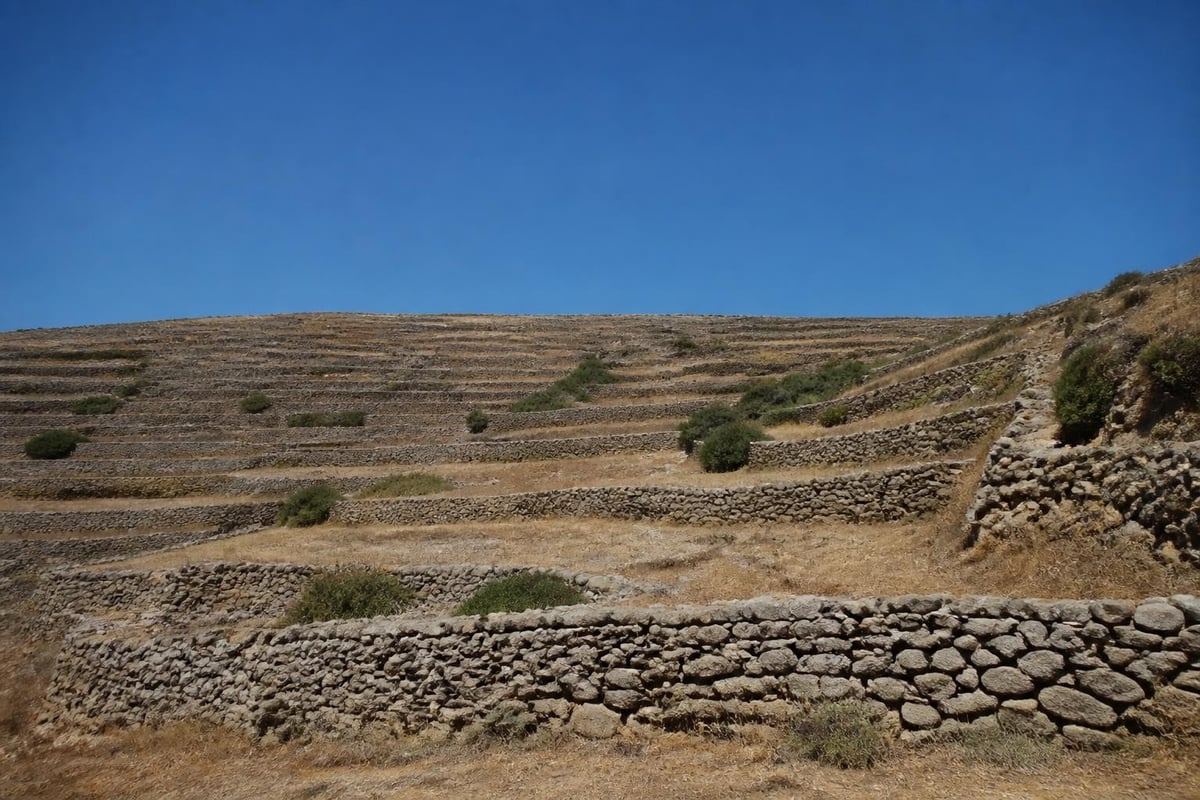
The interior landscape surprises visitors with its agricultural terraces, where locals still cultivate barley, grapes, and vegetables using traditional methods. Stone walls crisscross the terrain, creating geometric patterns that have defined Mediterranean agriculture for centuries.
Planning Your Visit to Folegandros
Strategic planning enhances the Folegandros experience significantly. The island operates on seasonal rhythms that affect everything from ferry schedules to restaurant openings.
Best Times to Experience the Island
| Season | Characteristics | Ideal For |
|---|---|---|
| May-June | Mild temperatures, wildflowers, fewer crowds | Hiking, photography, cultural immersion |
| July-August | Peak season, warmest weather, full services | Beach activities, nightlife, social atmosphere |
| September-October | Pleasant temperatures, harvest season, reduced crowds | Wine touring, authentic experiences, value |
| November-April | Limited services, authentic local life, unpredictable weather | Extended stays, writers, complete seclusion |
The shoulder seasons of May-June and September-October offer optimal conditions for most travelers. Temperatures hover between 22-28°C, the sea remains swimmable, and prices drop considerably from peak-season rates. These months also showcase the island's agricultural calendar, with grape harvests and traditional festivities providing cultural insights unavailable during summer.
Getting There and Around
Ferry connections from Piraeus (Athens' port) take between 5-10 hours depending on the vessel type. High-speed catamarans reduce travel time but operate less frequently than conventional ferries. During summer, regular services also connect Folegandros with Santorini (45 minutes), Milos (1.5 hours), and other Cycladic islands, making it ideal for island-hopping itineraries through lesser-known destinations.
Transportation options on the island include:
- Local buses connecting the three main settlements (limited schedule)
- Rental scooters and ATVs for independent exploration
- Taxis (advance booking recommended during peak season)
- Walking (Chora is pedestrian-only; many beaches require hiking)
- Boat excursions to remote beaches and sea caves
Most visitors rent scooters for flexibility, though the island's mountainous terrain and winding roads require confident riding skills. The main road network is paved and well-maintained, but accessing certain beaches involves unpaved tracks suitable only for sturdy vehicles.
Exploring Chora: The Heart of Folegandros
The island's capital deserves multiple days of exploration. Built on a cliff edge for protection from pirates, Chora consists of three distinct neighborhoods: the medieval Kastro, the 19th-century expansion, and modern additions that blend seamlessly with traditional architecture.
The Kastro represents one of the Cyclades' best-preserved medieval settlements. Narrow passages barely wide enough for two people wind between houses built directly against each other, creating a defensive perimeter that once protected inhabitants from raids. Original wooden balconies overhang the lanes, and ancient family crests still mark doorways dating back centuries.
Architectural Highlights and Cultural Sites
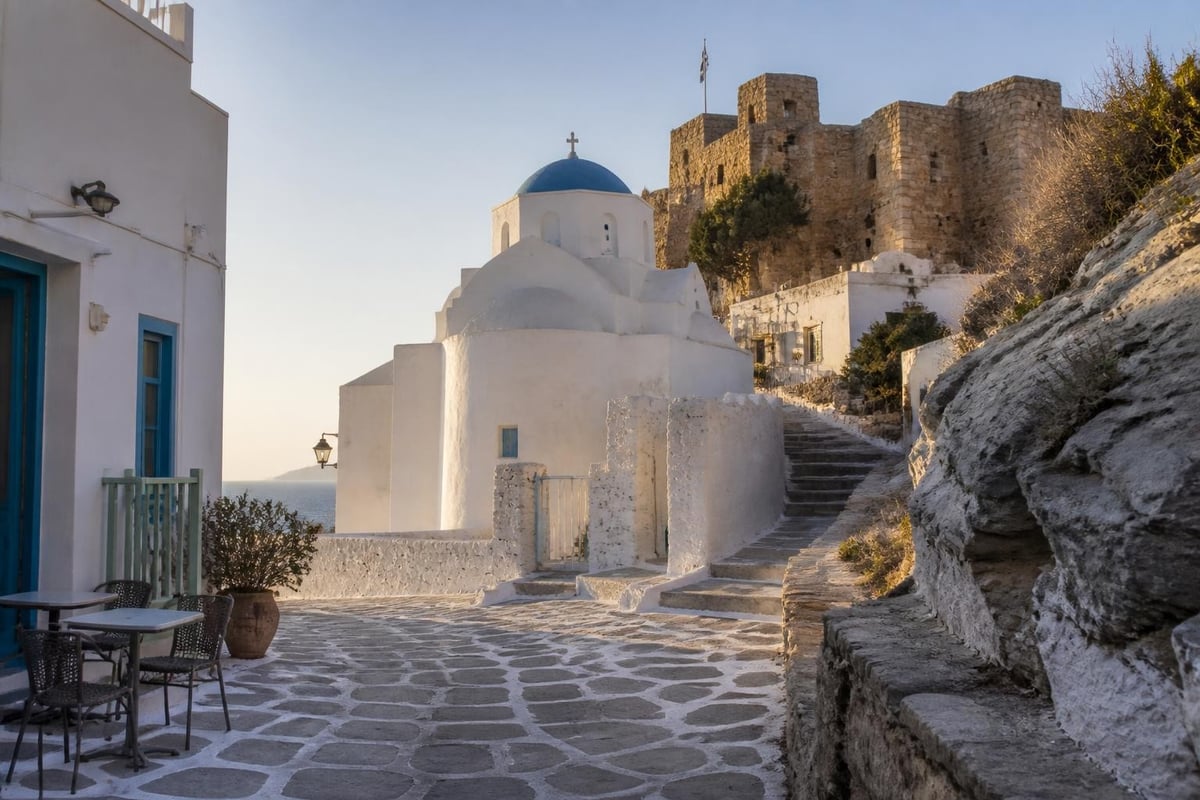
Beyond the Kastro, Chora reveals layers of architectural evolution. The main square (actually three interconnected squares) pulses with café life from morning until late evening. White-painted churches punctuate the townscape, with the Church of Panagia overlooking everything from its hilltop position reached by zigzagging steps.
Must-see architectural elements include:
- Traditional oven houses with distinctive dome structures
- Captain's mansions featuring Venetian-influenced details
- Whitewashed stepped streets creating natural amphitheaters
- Ancient wells and cisterns demonstrating water management ingenuity
- Modern interventions respecting traditional forms and materials
The walk to Panagia Church takes 15-20 minutes from the main square, climbing through residential areas before emerging onto the exposed hilltop. The views encompass the entire island, neighboring Sikinos, and on clear days, distant Crete. Sunset draws crowds here, but sunrise offers equal beauty with guaranteed solitude.
Beach Culture and Coastal Experiences
The island's beaches range from organized facilities to completely wild shores accessible only by dedicated hikers or boat. Each beach offers distinct character shaped by orientation, accessibility, and natural features.
Karavostasis Beach, adjacent to the port, provides convenient swimming with tavernas, sunbeds, and shallow waters ideal for families. Its protection from northern winds makes it reliably calm, though its proximity to the ferry dock means it's the busiest beach on the island.
Hidden Beaches and Secluded Coves
Agali Beach, on the southern coast, balances accessibility with natural beauty. A paved road allows easy access, while the curved bay provides shelter and crystal-clear waters. Several tavernas offer fresh seafood and local specialties, and a small shop rents sunbeds and umbrellas. Water taxis depart from Agali to more remote beaches, making it a practical base for coastal exploration.
For authentic seclusion, consider these options:
- Katergo Beach: Accessible only by water taxi or a challenging 30-minute hike down steep trails, this pebble beach rewards effort with dramatic cliff scenery and excellent snorkeling
- Ambeli Beach: A moderate 20-minute walk from the main road leads to this sandy cove with tamarisk trees providing natural shade
- Livadaki Beach: Small and intimate, requiring a steep descent but offering exceptional water clarity and peaceful solitude
- Agios Nikolaos Beach: Rocky shore best suited for snorkeling rather than sunbathing, with underwater caves and marine life
The beaches of Folegandros maintain their natural character through limited development and challenging access that filters out casual visitors. This preservation aligns with the island's overall philosophy of sustainable tourism that prioritizes environmental protection over mass-market convenience.
Culinary Traditions and Dining Experiences
Folegandros' food culture reflects its agricultural heritage and isolation. Local ingredients feature prominently, with many restaurants maintaining their own gardens and sourcing seafood from island fishermen.
Traditional dishes showcase simplicity and quality. Matsata (handmade pasta with rabbit or rooster) represents the island's signature dish, prepared using centuries-old techniques. The pasta's unique texture comes from kneading sour milk into the dough, creating a slightly tangy flavor that complements rich meat sauces.
Where to Eat and What to Order
| Restaurant Category | Characteristics | Signature Dishes |
|---|---|---|
| Traditional Tavernas | Family-run, authentic recipes, casual atmosphere | Matsata, goat stew, local cheese plates |
| Modern Greek Cuisine | Creative interpretations, presentation-focused, wine pairings | Seafood carpaccio, fava variations, deconstructed classics |
| Seaside Psarotavernas | Fresh fish by weight, simple preparation, waterfront dining | Grilled octopus, kakavia (fish soup), sea urchin |
| Café-Bars | All-day service, sunset views, cocktails | Mezze platters, local wines, creative drinks |
The island produces excellent cheese, particularly xinomyzithra (sour soft cheese) and katsiki (goat cheese). Local capers, sun-dried tomatoes, and honey also distinguish Folegandros cuisine from generic Greek restaurant fare. Many establishments offer cooking classes or farm visits, providing hands-on experience with traditional preparation methods.
Wine culture thrives despite limited production. Several families maintain small vineyards producing wine primarily for personal consumption and local restaurants. The volcanic soil and strong winds create challenging growing conditions that yield intensely flavored grapes, particularly white varieties similar to Santorini's Assyrtiko.
Accommodation Options Across Price Points
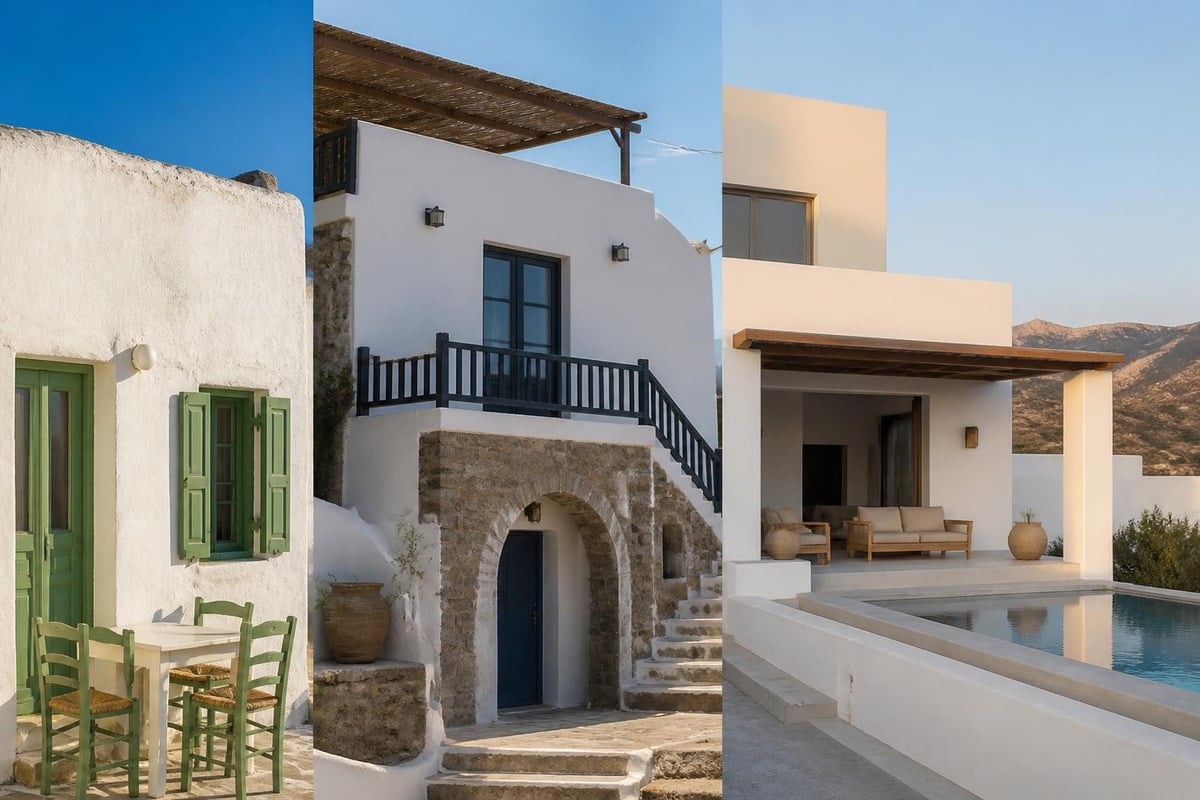
The island's accommodation landscape has evolved significantly while maintaining architectural harmony. Development regulations ensure that new constructions respect traditional aesthetics, creating contemporary comforts within Cycladic design principles.
Budget-conscious travelers find rooms and studios in Ano Meria and the port area, where family-run guesthouses offer basic amenities at reasonable rates. These accommodations provide authentic interactions with locals and often include homemade breakfasts featuring island products.
Luxury and Boutique Properties
Mid-range hotels cluster in Chora and near Agali Beach, offering pools, breakfast service, and contemporary design elements within traditional frameworks. Many feature sunset-view terraces and walking distance to restaurants and nightlife.
The luxury hotel Gundari exemplifies high-end development done thoughtfully. Its minimalist design complements rather than competes with the landscape, using local stone and traditional building techniques alongside modern amenities like infinity pools and spa facilities. Such properties demonstrate how Folegandros can offer sophisticated experiences without compromising its essential character.
Key factors when choosing accommodations:
- Location relative to your priorities (village life versus beach access)
- Transportation requirements (some properties require vehicle access)
- Seasonal variations in availability and pricing
- Included amenities (breakfast, pool, beach transfers)
- View orientation (sunset, sea views, village atmosphere)
Book accommodations well in advance for July and August, when the limited inventory fills quickly. Shoulder seasons offer more flexibility and significantly better value, with many properties offering extended-stay discounts.
Activities Beyond the Beach
The island rewards active exploration with hiking trails connecting settlements, beaches, and historical sites. Ancient footpaths, some dating to Byzantine times, crisscross the landscape, offering perspectives impossible to gain from roads.
The coastal trail from Chora to Chrysospilia Cave follows cliff edges through dramatic scenery. The cave itself features prehistoric tools and pottery shards, though accessing the interior requires a guide. The hike takes approximately 90 minutes one-way, with minimal shade requiring early morning or late afternoon timing during summer.
Cultural Immersion and Local Experiences
Participating in local festivals provides insights into authentic island life. The Panagia Festival on August 15th brings the entire community together for religious observances followed by traditional music, dancing, and feasting. Similar celebrations occur throughout summer, each honoring a different saint and showcasing regional musical traditions.
Workshops and demonstrations offer hands-on cultural engagement:
- Bread-baking in traditional ovens
- Cheese-making with local shepherds
- Pottery using island clay and ancient techniques
- Weaving demonstrations featuring traditional patterns
- Harvesting experiences during grape and caper seasons
These activities typically require advance arrangement through accommodations or local cultural associations. They provide meaningful exchanges that transcend typical tourist experiences, creating connections with preservation efforts maintaining traditional knowledge.
Sustainable Tourism and Preservation Efforts
Folegandros represents a successful model for sustainable development in the Cyclades. The island's limited water resources, fragile ecosystems, and small permanent population necessitate careful management of tourism impacts.
Local authorities enforce strict building codes limiting construction height, requiring traditional materials, and preventing development in protected areas. These regulations maintain the visual harmony that makes the island special while ensuring that growth doesn't overwhelm infrastructure or natural resources.
Visitors contribute to sustainability through conscious choices. Using refillable water bottles, respecting marked trails, supporting locally-owned businesses, and visiting during shoulder seasons all reduce environmental pressure while enhancing the experience. The island has no large resorts, cruise ship docks, or mass-tourism infrastructure precisely because residents prioritize long-term preservation over short-term profits.
Practical Considerations for Modern Travelers
Despite its remote atmosphere, Folegandros provides essential modern conveniences. Reliable mobile data coverage extends across most of the island, ATMs operate in Chora and the port, and medical facilities handle minor issues (serious emergencies require evacuation to larger islands or Athens).
The island maintains a relaxed pace that initially challenges visitors accustomed to constant connectivity and immediate service. Restaurants operate on flexible schedules, shops close during afternoon hours, and ferries sometimes delay due to weather. Embracing this rhythm rather than resisting it enhances the experience significantly.
Essential packing considerations include:
- Sturdy walking shoes for hiking and village exploration
- Sun protection (limited shade on trails and beaches)
- Modest clothing for church visits
- Light layers for evening breezes
- Cash supplement (cards accepted but not universally)
- Basic first-aid supplies for trail mishaps
Most visitors spend 3-5 days on the island, sufficient time to explore main sites while maintaining the relaxed pace that defines the Folegandros experience. Combining it with neighboring islands creates varied itineraries showcasing different aspects of Cycladic culture.
Comparing Folegandros to Other Cycladic Islands
Understanding how Folegandros differs from its neighbors helps set appropriate expectations. While Santorini offers dramatic caldera views and extensive infrastructure, Folegandros provides intimacy and authenticity. Mykonos delivers cosmopolitan energy and beach clubs, whereas this quieter alternative focuses on natural beauty and traditional culture.
The island’s position within the Cyclades makes it accessible from multiple directions while maintaining separation from major tourist flows. This geographic situation creates the perfect balance for travelers seeking genuine Greek island life without complete isolation from civilization.
Sikinos, the nearest neighbor, shares similar characteristics but offers even fewer services and attractions. Milos provides geological diversity and better beaches but attracts more visitors. Sifnos delivers superior culinary experiences with comparable authenticity. Each island serves different priorities, making Folegandros ideal for those valuing dramatic landscapes, preserved architecture, and peaceful atmospheres over extensive amenities or nightlife.
Folegandros delivers an increasingly rare commodity in Mediterranean travel: authentic island life balanced with thoughtful modern amenities. The island's commitment to preservation creates experiences that feel both timeless and carefully curated for discerning visitors. If you're ready to discover this Cycladic gem as part of a personalized Greek journey, Hellenic Holidays specializes in crafting tailor-made itineraries that combine Folegandros with complementary destinations across Greece, ensuring every detail reflects your travel style and interests.