
Grecian Islands: Your Complete 2026 Travel Guide
The Grecian islands represent one of the world's most enchanting travel destinations, offering thousands of opportunities for discovery across the Aegean and Ionian seas. With more than 200 inhabited islands among approximately 6,000 total landmasses, Greece presents travelers with an extraordinary palette of experiences, from ancient archaeological wonders to pristine beaches and vibrant local cultures. For 2026, these island destinations continue to evolve, balancing their timeless appeal with modern sustainability initiatives and enhanced infrastructure that makes tailor-made itineraries more accessible than ever before.
Understanding the Grecian Islands Landscape
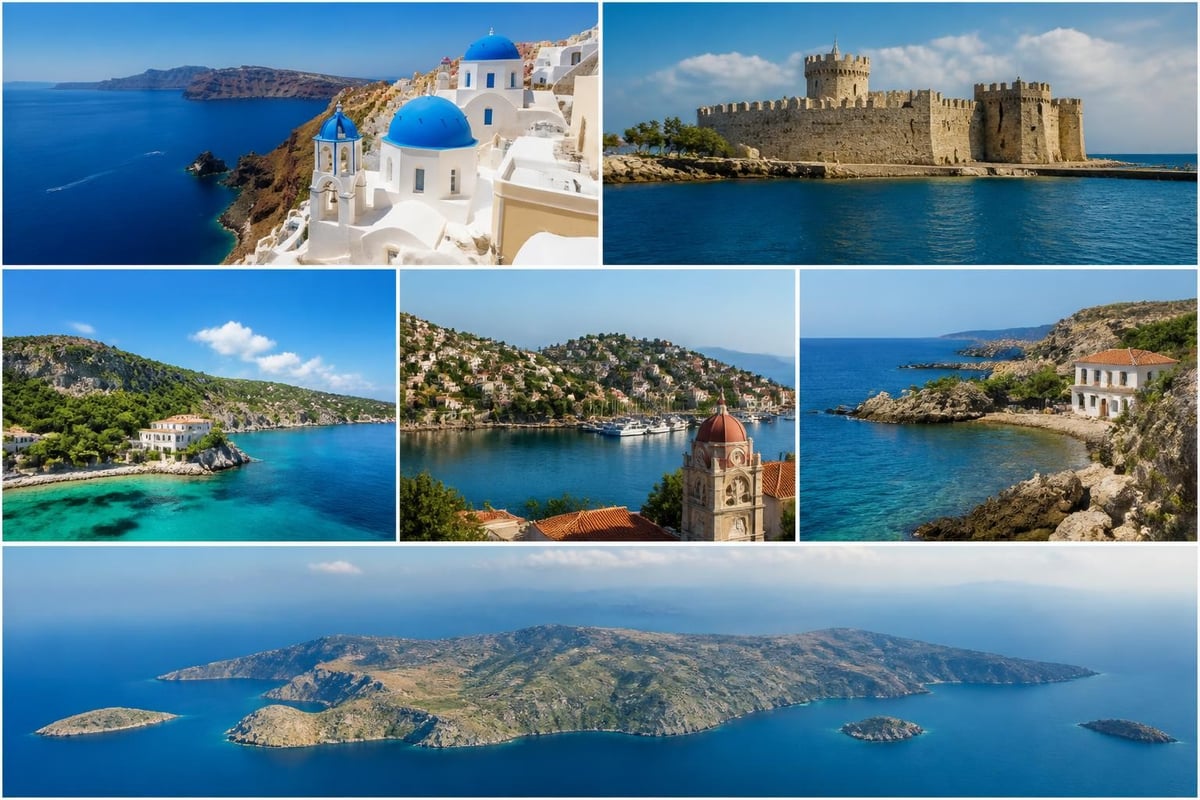
The Grecian islands span several distinct archipelagos, each offering unique characteristics that appeal to different traveler preferences. The official Greek National Tourism Organization categorizes these island groups into seven primary clusters: the Cyclades, Dodecanese, Ionian, Saronic, Sporades, North Aegean, and Crete standing alone as Greece's largest island.
Regional Island Groups and Their Characteristics
The Cyclades remain the most iconic of all Grecian islands, featuring the postcard-perfect whitewashed architecture that defines Greece in the global imagination. Santorini and Mykonos anchor this group as premium destinations, while islands like Naxos, Paros, and Milos offer equally compelling experiences with fewer crowds.
The Dodecanese islands lie closer to Turkey's coast, blending Greek culture with influences from Italian occupation and Ottoman heritage. Rhodes serves as the capital, featuring medieval old towns and beach resorts, while Patmos attracts spiritual travelers to its monastery complex.
The Ionian Islands along Greece's western coast present lush, green landscapes distinct from the Aegean's drier profile. Corfu, Kefalonia, and Zakynthos deliver Venetian architectural influences alongside dramatic coastal scenery.
| Island Group | Key Islands | Best Known For | Ideal Travel Period |
|---|---|---|---|
| Cyclades | Santorini, Mykonos, Naxos, Paros | Iconic white villages, archaeology | April-June, Sept-Oct |
| Dodecanese | Rhodes, Kos, Patmos | Medieval towns, beach resorts | May-October |
| Ionian | Corfu, Kefalonia, Zakynthos | Green landscapes, Venetian heritage | May-September |
| Saronic | Hydra, Aegina, Spetses | Weekend escapes, car-free islands | Year-round |
Planning Your Grecian Islands Itinerary
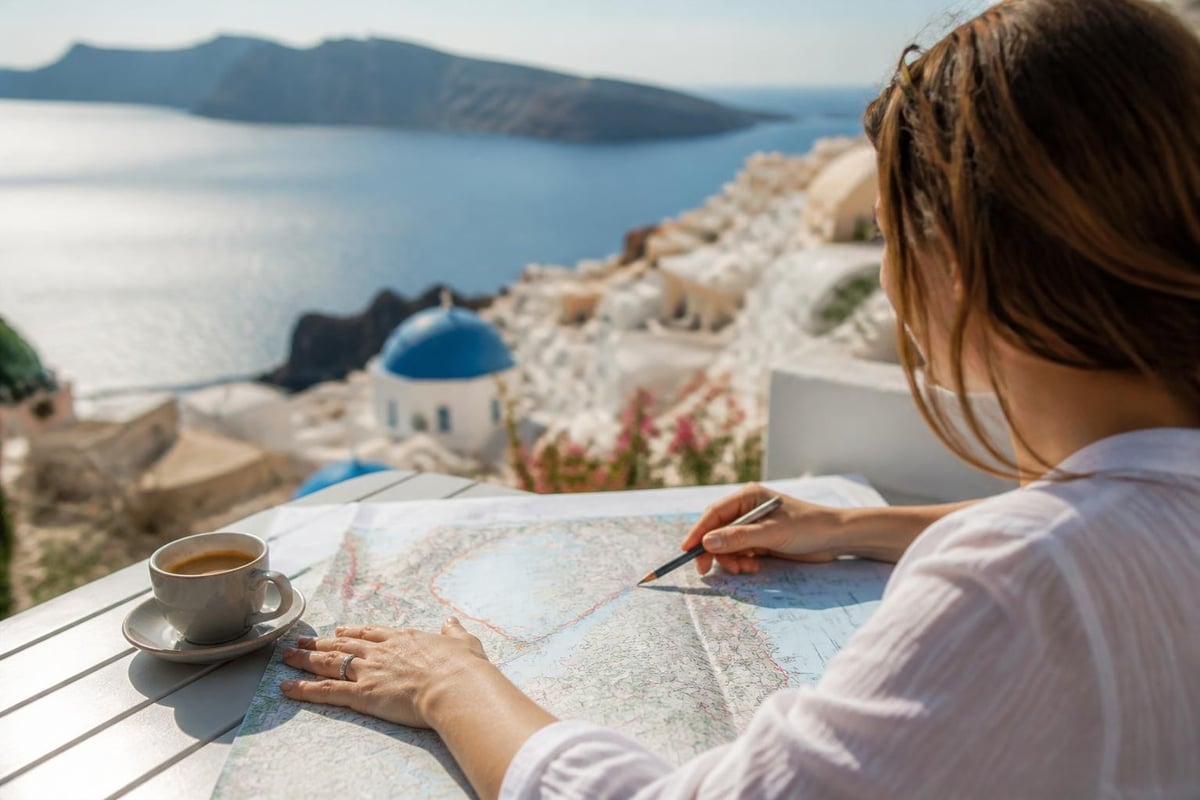
Crafting a successful island-hopping journey requires strategic planning around ferry schedules, seasonal considerations, and realistic time allocations. Many travelers underestimate the logistics involved, attempting to visit too many destinations in limited timeframes.
Optimal Duration and Island Selection
For first-time visitors to the Grecian islands, a 10-14 day itinerary typically allows for three to four islands with meaningful exploration rather than rushed ferry transfers. Quality surpasses quantity when experiencing these destinations, as each island rewards slower travel with deeper cultural immersion.
A well-balanced itinerary might combine:
- One major destination (Santorini, Mykonos, Rhodes, Crete)
- One archaeological or historical focus (Delos, Patmos, Naxos)
- One quieter, authentic island (Folegandros, Symi, Antiparos)
Ferry Connections and Inter-Island Transport
The Greek ferry network operates as the lifeline connecting these scattered destinations. According to the 2024 analysis, ferry capacity and route optimization continue improving, with increased focus on environmental sustainability through newer vessels and better scheduling efficiency.
High-speed ferries reduce travel time significantly but come at premium prices. Conventional ferries offer more affordable options with longer journey times, yet provide opportunities to enjoy the Aegean crossing experience itself.
Key considerations include:
- Book advance tickets during peak season (July-August)
- Allow buffer time between connections for weather delays
- Consider regional hubs (Naxos, Paros) for flexible routing options
- Factor in early morning or late evening departure times
Top Destinations Among the Grecian Islands
Selecting specific islands depends on individual priorities, whether archaeological exploration, beach relaxation, culinary experiences, or cultural immersion drives your travel motivations. National Geographic’s recent analysis highlights both classic favorites and emerging alternatives gaining recognition.
Santorini: The Iconic Volcanic Island
Santorini dominates Grecian islands marketing imagery with its dramatic caldera views and sunset-famous villages of Oia and Fira. Beyond the Instagram aesthetics, this volcanic island delivers genuine archaeological significance through the Bronze Age settlement at Akrotiri, often called the "Minoan Pompeii."
Best experiences include wine tasting at volcanic-soil vineyards, sailing around the caldera, and exploring the black sand beaches at Perissa and Kamari. To avoid overwhelming crowds, schedule visits during shoulder seasons (April-May or September-October) and explore lesser-known villages like Pyrgos and Megalochori.
Mykonos: Sophistication Meets Tradition
Mykonos balances cosmopolitan energy with authentic Cycladic character. The main town (Chora) presents a labyrinth of whitewashed lanes designed historically to confuse pirates, now housing boutiques, galleries, and restaurants.
As a gateway to Delos, one of Greece’s most significant archaeological sites, Mykonos offers day-trip access to the sacred island where Artemis and Apollo were born according to mythology. This UNESCO World Heritage site features extensive ruins spanning multiple civilizations.
Crete: A Complete Destination
Greece's largest island functions as a destination unto itself, offering sufficient diversity for week-long or longer stays. The Minoan palace at Knossos near Heraklion, Venetian harbors at Chania and Rethymno, and the dramatic Samaria Gorge provide varied experiences across the island's 260-kilometer length.
Crete's distinct cultural identity, cuisine, and dialects differentiate it from other Grecian islands. The island supports year-round tourism infrastructure while maintaining authentic agricultural traditions in mountain villages.
Cultural Experiences Beyond the Beaches
While coastal beauty attracts initial attention to the Grecian islands, their deeper value lies in cultural authenticity, historical depth, and living traditions that connect modern visitors to millennia of Mediterranean civilization.
Archaeological and Historical Sites
The Cycladic civilization flourished from 3200-1100 BCE, leaving distinctive marble figurines and settlements across these islands. Delos serves as the most concentrated archaeological zone, while Akrotiri on Santorini preserves remarkable Bronze Age frescoes and architecture.
Medieval history manifests in:
- Rhodes' Palace of the Grand Master and Street of the Knights
- Patmos' Monastery of Saint John the Theologian
- Naxos' Venetian kastro district
Traditional Villages and Local Life
Authentic Grecian islands experiences emerge in villages maintaining traditional economies beyond tourism. Apiranthos on Naxos, with its marble-paved streets and Venetian towers, exemplifies preserved mountain settlements. Olympos on Karpathos sustains distinct dialect, dress, and customs largely unchanged for centuries.
Festivals and celebrations provide windows into living culture. Religious feast days (panigyria) feature in every island community, combining Orthodox liturgy with dancing, music, and communal feasting. August 15 (Dormition of the Theotokos) ranks among the most significant celebrations across all Grecian islands.
Practical Considerations for 2026 Travel
Contemporary travel to the Grecian islands requires awareness of evolving challenges alongside traditional planning concerns. Climate impacts, overtourism management, and infrastructure developments all influence the visitor experience.
Climate Realities and Seasonal Planning
The Mediterranean climate that makes these islands so appealing faces documented changes. Scientific assessments indicate increased summer temperatures, reduced rainfall, and rising sea levels affecting coastal zones. For travelers, this translates to:
- Extreme heat advisories becoming more common in July-August
- Shoulder seasons (April-June, September-October) offering more comfortable conditions
- Water resource management affecting some destinations during peak periods
| Month | Advantages | Considerations | Crowd Level |
|---|---|---|---|
| April-May | Wildflowers, moderate temps, lower prices | Some businesses still closed, cooler water | Low-Medium |
| June | Perfect weather, full services, longer days | Prices rising, crowds increasing | Medium-High |
| July-August | Full atmosphere, guaranteed sunshine | Extreme heat, maximum crowds, highest prices | Very High |
| September | Warm sea, mature season, grape harvest | Still expensive, weather variability increases | High |
| October | Value pricing, cultural focus, comfortable temps | Reduced ferry schedules, some closures | Medium |
Managing Overtourism and Finding Authenticity
Popular Grecian islands face documented pressures from excessive visitor numbers. Recent reporting highlights both the economic benefits and social costs of mass tourism, with initiatives emerging to redirect visitors toward less-pressured destinations.
Strategies for responsible travel include:
- Choosing lesser-known islands (Syros, Sifnos, Tinos, Ikaria)
- Visiting popular destinations during off-peak periods
- Supporting local businesses rather than international chains
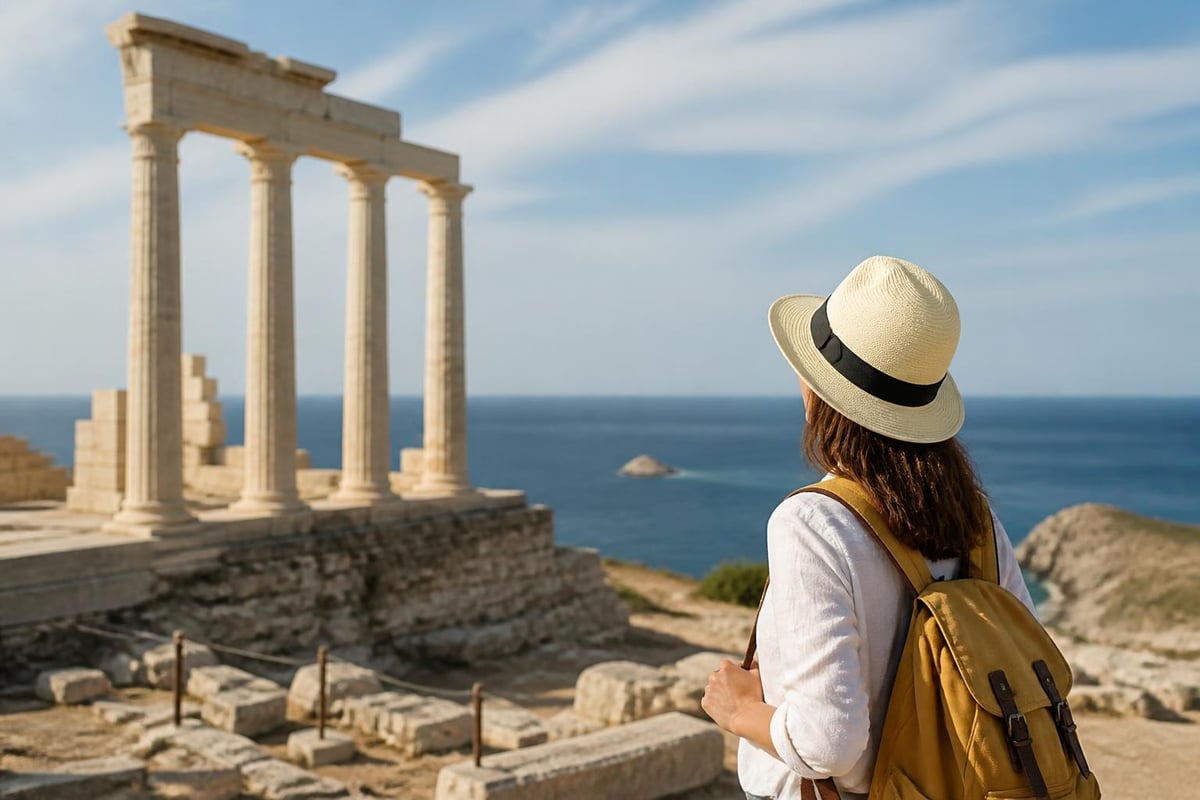
- Respecting archaeological sites and natural environments
- Learning basic Greek phrases to engage respectfully with communities
Accommodation and Booking Strategies
The Grecian islands offer accommodation spanning luxury resorts to family-run guesthouses. Tailor-made vacation planning allows for strategic selections matching specific preferences:
Cave houses in Santorini provide unique architectural experiences but command premium rates and book months ahead. Traditional settlements converted to guesthouses (especially in Cycladic islands) balance authenticity with modern comfort. Beach resorts on larger islands offer full-service convenience for relaxation-focused travelers.
Advance booking becomes essential for summer travel (June-September), while shoulder seasons permit more flexibility and often better negotiation opportunities, particularly for extended stays.
Culinary Journeys Across the Islands
Grecian islands cuisine varies substantially by region, reflecting local agriculture, maritime traditions, and historical influences. Each island develops signature dishes based on available ingredients and cultural heritage.
Regional Specialties and Food Traditions
Santorini produces distinctive products from volcanic soil: cherry tomatoes, white eggplants, fava (yellow split pea puree), and Assyrtiko wine. Naxos claims Greece's finest potatoes along with graviera cheese and kitron liqueur. Crete maintains the most complete traditional diet, with wild greens, dakos (barley rusk salad), and exceptional olive oil.
Seafood dominates coastal tavernas, with octopus, kalamari, and fresh catches prepared simply to highlight quality. Inland villages feature meat-based dishes, often goat or lamb slow-cooked in traditional methods.
Wine and Spirits
Greek wine culture extends back millennia, with islands producing distinctive varieties. Santorini's Assyrtiko thrives in volcanic conditions, while Paros cultivates rare indigenous grapes. Many Grecian islands maintain small wineries offering tastings and tours that connect viticulture to landscape and history.
Ouzo and raki flow freely in traditional settings, accompanied by mezedes (small plates) that transform drinking into extended social dining. Understanding these rituals enhances cultural appreciation beyond mere consumption.
Sustainable Tourism and Future Directions
The future of the Grecian islands as premier destinations depends on balancing economic benefits with environmental protection and cultural preservation. Mediterranean coastal risk assessments emphasize vulnerabilities requiring proactive management.
Environmental Initiatives
Several islands pioneer sustainability measures:
- Tilos operates as Greece's first energy-autonomous island through renewable sources
- Astypalea partners with Volkswagen for electric vehicle transition
- Multiple destinations implement single-use plastic bans and recycling programs
- Marine protected areas expand around ecologically sensitive zones
Travelers contribute by choosing eco-conscious accommodations, minimizing plastic use, supporting conservation-minded tour operators, and respecting protected natural areas.
Community-Based Tourism
Alternative tourism models emerge that prioritize local benefit and authentic exchange. Agrotourism experiences on islands like Ikaria and Kea allow visitors to participate in traditional activities (olive harvesting, cheese making, fishing) while directly supporting rural economies.
Cultural sensitivity matters increasingly as communities seek to maintain identity amid tourism pressures. Respecting religious sites, dressing appropriately in villages, and recognizing that residential areas aren't theme parks demonstrates responsible engagement with living cultures.
Crafting Your Perfect Island Experience
The diversity among Grecian islands means no single itinerary suits all travelers. Successful trip design matches destinations to genuine interests rather than attempting to replicate others' experiences or check off greatest-hits lists.
Matching Islands to Travel Styles
Adventure seekers gravitate toward islands offering hiking (Crete's gorges, Samaria to Agia Roumeli), water sports (Paros and Naxos for windsurfing), and outdoor exploration. History enthusiasts prioritize archaeological richness (Delos, Rhodes, Crete) and museum collections. Relaxation-focused travelers select beaches and spa facilities, often at larger resort islands.
Honeymoon and romantic travel finds ideal settings in Santorini's caldera views, but alternatives like Folegandros or Sifnos deliver equally romantic atmospheres without the crowds and premium pricing.
Building Connections and Memorable Moments
The most meaningful Grecian islands experiences often emerge from unplanned interactions: conversations with shopkeepers, invitations to village celebrations, recommendations from locals that lead to undiscovered beaches or family-run tavernas. Building flexibility into itineraries allows these serendipitous moments to unfold.
Slow travel principles serve these destinations well. Rather than racing through maximum islands, settling into the rhythm of a place reveals layers that quick visits miss entirely.
The Grecian islands offer extraordinary diversity and timeless appeal for travelers seeking authentic Mediterranean experiences in 2026. Whether drawn to archaeological wonders, pristine beaches, vibrant local cultures, or simply the romance of island life, these destinations reward thoughtful planning and open-minded exploration. Hellenic Holidays specializes in crafting tailor-made vacation packages that match your unique interests and travel style, designing personalized itineraries that transform the overwhelming choice of Greek islands into coherent, memorable journeys perfectly suited to your vision.