
Greece Tourist Sites: Essential Guide for 2026 Travelers
Greece stands as one of the world's most captivating destinations, drawing millions of visitors each year to experience its extraordinary blend of ancient history, stunning landscapes, and vibrant culture. The country's greece tourist sites represent thousands of years of Western civilization, from the birthplace of democracy in Athens to sacred sanctuaries scattered across sun-drenched islands and dramatic mainland regions. Whether you're planning a honeymoon, cultural expedition, or family adventure, understanding which sites deserve your attention helps create an unforgettable journey through this Mediterranean gem.
Ancient Athens: The Foundation of Western Civilization
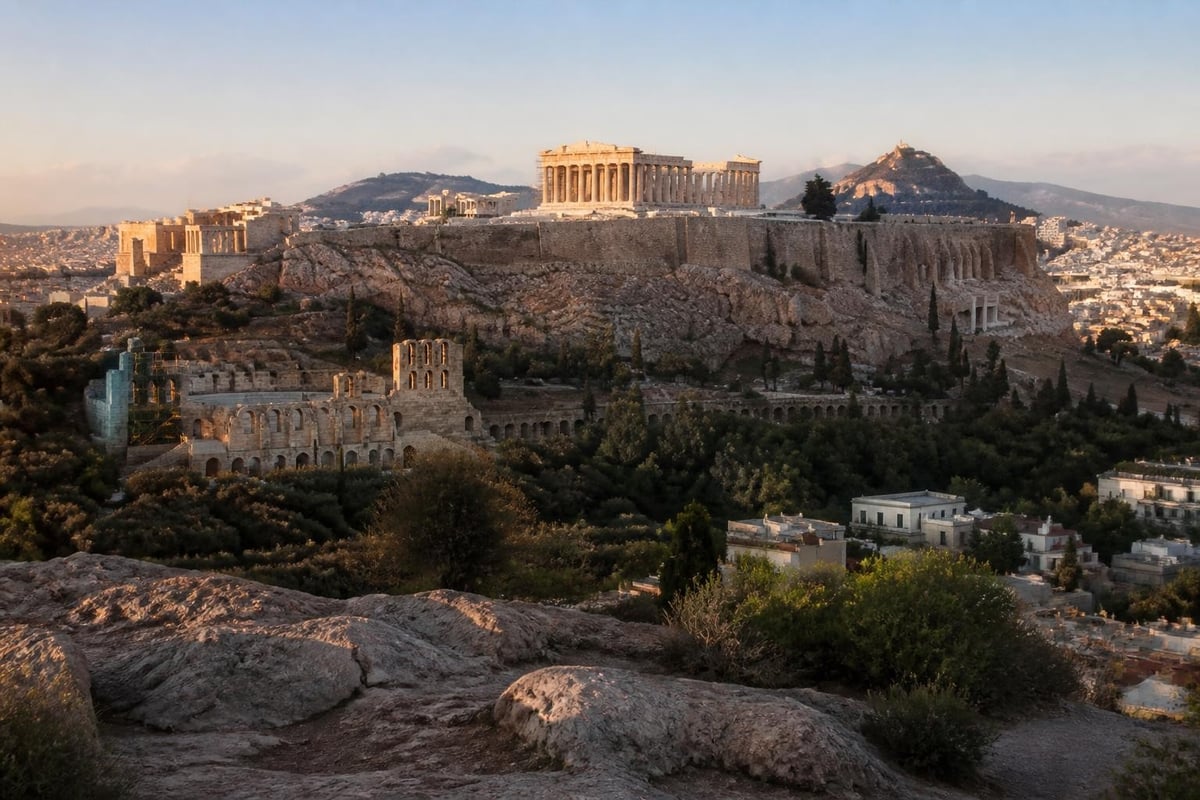
The capital city contains some of the most significant greece tourist sites, anchoring any comprehensive exploration of the country. The Acropolis dominates the skyline, crowned by the Parthenon, a temple dedicated to Athena that has stood for over 2,400 years. This UNESCO World Heritage site offers visitors a tangible connection to ancient Greek philosophy, art, and governance.
Beyond the Acropolis, Athens presents layers of historical depth. The Ancient Agora served as the marketplace and gathering place where Socrates walked and debated. Today, visitors can explore the Temple of Hephaestus, one of the best-preserved Greek temples, and the reconstructed Stoa of Attalos, which houses the Agora Museum.
Essential Athens archaeological sites include:
- The Acropolis and Parthenon
- Ancient Agora with Temple of Hephaestus
- Roman Agora and Tower of the Winds
- Temple of Olympian Zeus
- Panathenaic Stadium
The National Archaeological Museum houses Greece's most important artifact collection, spanning prehistoric to classical periods. Allocating at least half a day here provides context for sites you'll encounter throughout your journey. The museum's gold masks from Mycenae, bronze sculptures, and pottery collections tell stories that predate written history.
Planning Your Athens Experience
Working with professionals who understand archaeological site logistics makes a significant difference. Licensed guides can navigate the extensive archaeological sites and museums managed through official channels, helping visitors maximize limited time while avoiding crowds during peak hours.
Most greece tourist sites in Athens open early morning, making sunrise visits to the Acropolis particularly magical. Summer temperatures can exceed 95°F (35°C), so strategic timing protects both your comfort and photography opportunities. Spring (April-May) and fall (September-October) offer ideal weather conditions with fewer tour groups.
| Site | Recommended Visit Time | Best Season | Typical Duration |
|---|---|---|---|
| Acropolis | Early morning (8 AM) | Spring/Fall | 2-3 hours |
| Ancient Agora | Mid-morning | Year-round | 1.5-2 hours |
| National Archaeological Museum | Afternoon | Any (indoor) | 3-4 hours |
| Roman Agora | Late afternoon | Spring/Fall | 1 hour |
Island Archaeological Treasures
Greece's islands host remarkable greece tourist sites that combine ancient history with spectacular natural beauty. These destinations allow travelers to balance cultural exploration with beach relaxation and distinctive culinary experiences.
Delos: The Sacred Island
Near Mykonos lies Delos, perhaps Greece's most archaeologically significant island site. Ancient Greeks believed Apollo and Artemis were born here, transforming the island into a major religious center. The UNESCO World Heritage site of Delos preserves extensive ruins including the Terrace of the Lions, ancient theaters, and elaborate mosaic-floored houses.
Delos operates as a day-trip destination with no overnight accommodations, emphasizing its role as an open-air museum. Ferries depart Mykonos regularly during summer months. The entire island functions as an archaeological park, where wandering among marble columns and sacred sanctuaries feels like stepping into another era.
What makes Delos exceptional:
- No modern development disturbs the archaeological landscape
- Comprehensive preservation across different historical periods
- Integration of religious, commercial, and residential ancient structures
- Strategic maritime location that controlled Aegean trade routes
Crete's Palace Complexes
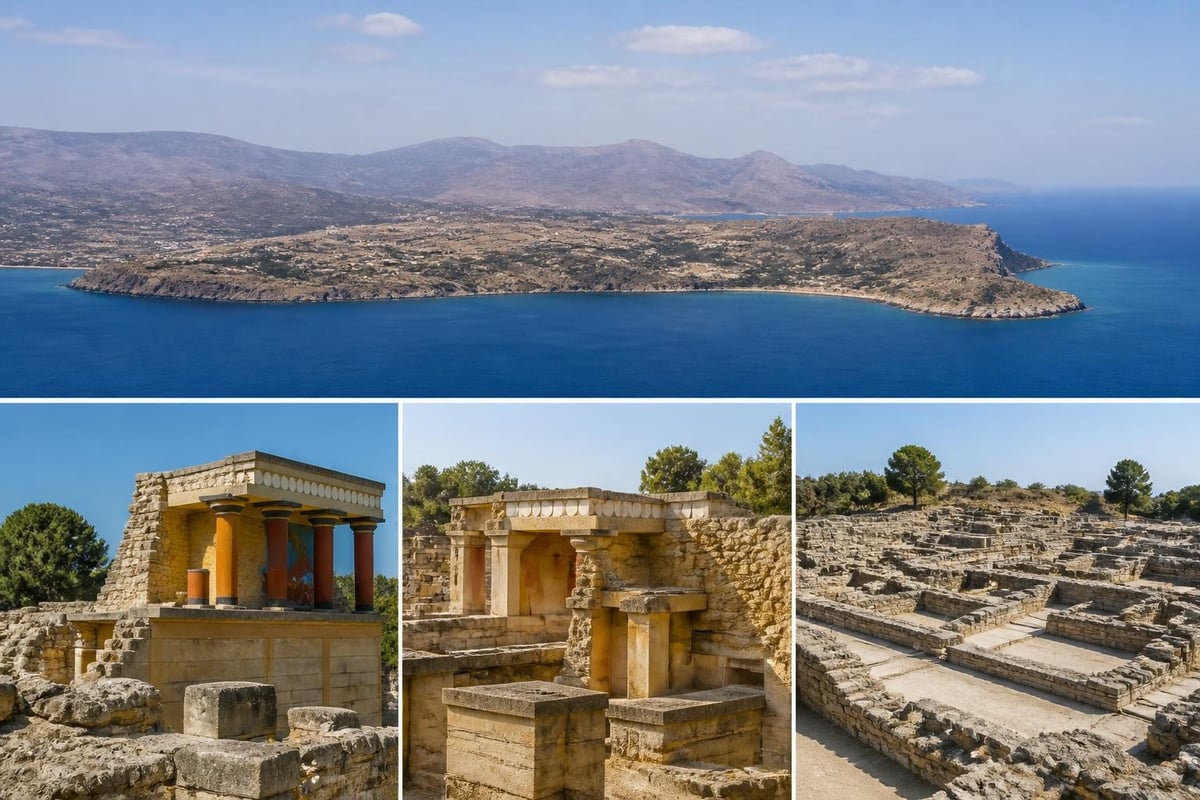
Crete, Greece's largest island, contains greece tourist sites from the Minoan civilization, Europe's earliest advanced society. The Palace of Knossos near Heraklion showcases sophisticated Bronze Age architecture from 1900 BCE, featuring advanced plumbing systems, vibrant frescoes, and the legendary labyrinth associated with the Minotaur myth.
Beyond Knossos, Crete offers additional palace complexes at Phaistos, Malia, and Zakros. Each site provides different perspectives on Minoan culture, from administrative centers to religious functions. The Heraklion Archaeological Museum contextualizes these sites with artifact collections that demonstrate the civilization's artistic achievements and Mediterranean-wide trade connections.
Modern travelers appreciate Crete's combination of archaeological exploration and contemporary pleasures. After touring ancient palaces, you can enjoy world-class beaches, authentic Cretan cuisine, and charming mountain villages. This balance makes the island ideal for multi-generational travel groups with varying interests.
Peloponnese Peninsula: Concentrated Historical Depth
The Peloponnese region concentrates an extraordinary number of greece tourist sites within relatively compact geography. This makes it particularly suitable for travelers who want diverse archaeological experiences without constant island-hopping.
Epidaurus hosts Greece's best-preserved ancient theater, renowned for its perfect acoustics. Built in the 4th century BCE, the theater seats 14,000 spectators and still functions for summer performances. The surrounding Sanctuary of Asclepius was antiquity's most celebrated healing center, where ancient Greeks sought medical treatment through temple sleep rituals and therapeutic practices.
Mycenae and Tiryns
These Bronze Age citadels demonstrate the military architecture and power of Greece's earliest civilizations. Mycenae's Lion Gate, massive cyclopean walls, and royal shaft graves reveal a warrior culture that dominated the Mediterranean from 1600-1100 BCE. The site inspired Homer's epics and housed the legendary King Agamemnon.
Nearby Tiryns features even more impressive fortification walls, with stones so large that ancient Greeks believed only Cyclopes could have built them. Both sites earned UNESCO World Heritage status for their significance in understanding early Greek civilization development.
Peloponnese archaeological highlights:
- Olympia – Birthplace of the Olympic Games with Temple of Zeus
- Sparta – Ancient military state's archaeological remains and museum
- Mystras – Byzantine ghost city with churches and palaces
- Corinth – Ancient commercial center with imposing acropolis
- Messene – Exceptionally well-preserved fortified city
The Peloponnese allows visitors to trace Greek history chronologically, from Bronze Age palaces through classical temples to Byzantine fortresses. Many travelers underestimate this region, focusing exclusively on Athens and islands, but those who explore the peninsula discover greece tourist sites with fewer crowds and profound historical significance.
Delphi: Greece's Spiritual Center
Located on Mount Parnassus's slopes, Delphi served as ancient Greece's most important oracle sanctuary. Here, the Pythia priestess delivered prophecies from Apollo that influenced major political and military decisions across the Mediterranean world. The site's dramatic mountain setting, overlooking olive groves descending to the Gulf of Corinth, ranks among Greece's most spectacular.
The Sacred Way winds upward past treasuries built by different city-states to the Temple of Apollo. The ancient theater offers panoramic views, while the stadium hosted Pythian Games, second only to Olympics in prestige. The Delphi Archaeological Museum houses the famous Charioteer bronze statue and other treasures that illuminate the sanctuary's religious importance.
Visiting Delphi requires approximately a three-hour drive from Athens, making it feasible as a long day trip or overnight excursion. The mountain location means cooler temperatures than coastal areas, providing comfortable summer exploration. Spring brings wildflowers and rushing water to the Castalian Spring, where ancient pilgrims purified themselves before consulting the oracle.
| Feature | Ancient Function | Modern Visitor Experience |
|---|---|---|
| Temple of Apollo | Oracle consultation chamber | Foundation ruins with interpretive signs |
| Theater | Musical competitions | Seating area with valley views |
| Stadium | Athletic games | Track and seating tiers intact |
| Tholos | Unknown (possibly ritual) | Iconic circular structure photograph |
Northern Greece: Macedonia's Royal Heritage
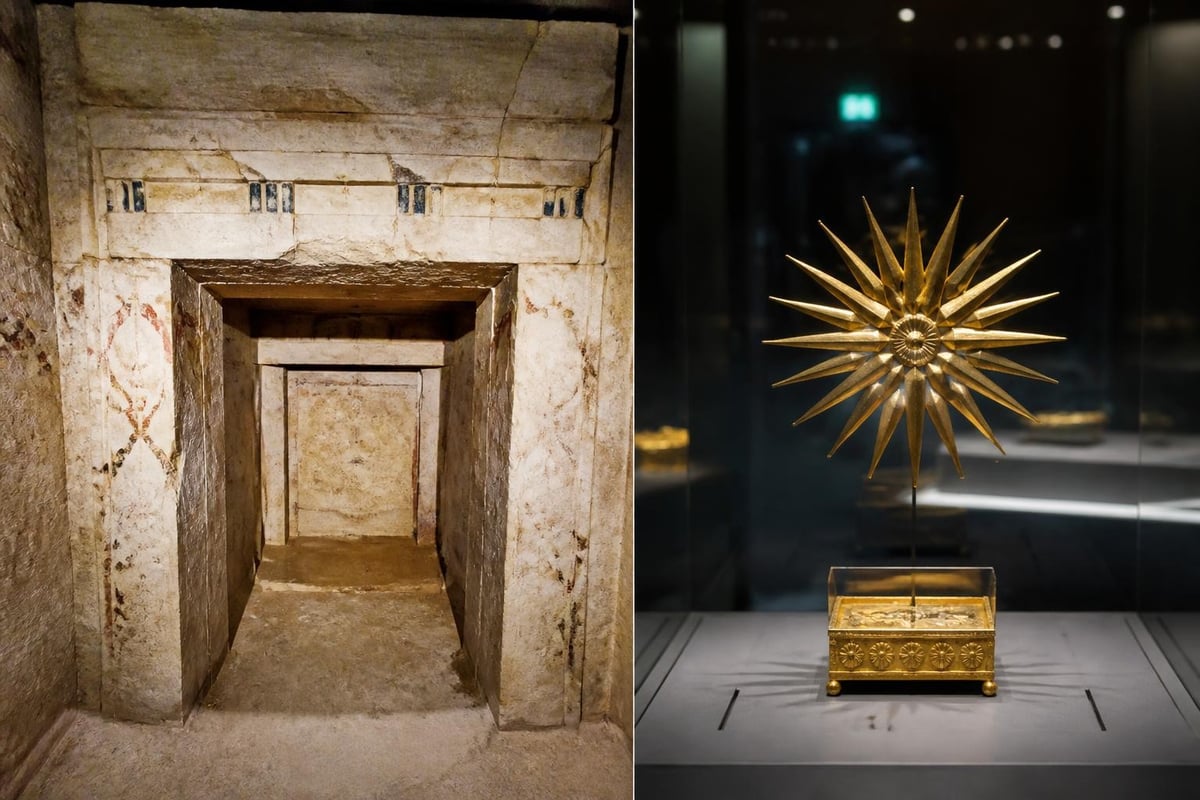
The northern regions contain greece tourist sites connected to Alexander the Great and Macedonian royal dynasties. Vergina's Royal Tombs, discovered in 1977, yielded Philip II's burial treasures including a gold larnax (chest) containing his cremated remains. The underground museum preserves these tombs in situ, offering an intimate encounter with 4th-century BCE royal burial practices.
Thessaloniki, Greece's second-largest city, presents layers of history from Roman, Byzantine, and Ottoman periods. The Rotunda, Arch of Galerius, and extensive Byzantine church mosaics demonstrate the city's importance as a crossroads civilization. The Archaeological Museum contextualizes Macedonia's rise to dominate the ancient Greek world.
Meteora: Where Nature Meets Spirituality
While not ancient ruins, Meteora's Byzantine monasteries perched atop sandstone pillars represent unique greece tourist sites combining natural wonder with religious heritage. Six monasteries remain active from an original twenty-four, built between the 14th and 16th centuries CE by monks seeking isolation and spiritual elevation.
The rock formations themselves create a surreal landscape, rising 400 meters above the plain. Visiting multiple monasteries requires good physical condition due to numerous stairs, but rewards you with spectacular views, preserved frescoes, and insight into Orthodox monastic traditions. Photography enthusiasts find endless compositions, especially during golden hour when light illuminates the pillars.
Practical Considerations for Site Visits
Successfully experiencing greece tourist sites requires understanding operational logistics and cultural expectations. Most archaeological sites close on major holidays and may have reduced winter hours. Entrance fees typically range from €6-€12, with combination tickets offering savings for multiple sites.
Essential preparation includes:
- Comfortable walking shoes with good traction for uneven ancient surfaces
- Sun protection (hat, sunscreen, sunglasses) for exposed sites
- Water bottles, as most sites lack shade or refreshment facilities
- Modest clothing for sites with active religious functions
- Small backpacks rather than large bags (security restrictions apply)
The official Hellenic Heritage platform provides updated information on over 350 archaeological sites, museums, and monuments. Professional guidance through certified tourist guides enhances understanding beyond what signage provides, particularly at complex sites like Delphi or Knossos where mythology and history interweave.
Photography rules vary by site. Most allow personal photography without flash, but commercial photography requires permits. Drones face strict regulations near archaeological sites for preservation and safety reasons.
Seasonal Timing and Crowd Management
Greece tourist sites experience dramatic visitation fluctuations throughout the year. July and August bring peak crowds, with cruise ship passengers flooding popular sites mid-morning through early afternoon. Strategic timing means visiting major attractions at opening time or late afternoon when tour groups depart.
Spring (April-May) presents Greece at its most beautiful, with wildflowers blooming across archaeological sites and comfortable temperatures for extended walking. Fall (September-October) offers similar conditions with the added benefit of harvest season culinary experiences. Winter (November-March) brings fewer tourists and lower prices, though some island sites reduce hours or close entirely.
Many travelers combine cultural site visits with modern experiences to maintain variety. Platforms like Innobook demonstrate how contemporary travelers blend historical exploration with adventure activities, creating balanced itineraries that appeal to different travel styles and age groups. This approach works particularly well for families or multi-generational groups visiting Greece together.
Regional Combinations Worth Considering
Efficient greece tourist sites exploration involves grouping destinations by region rather than attempting to cover the entire country in one trip. A well-designed itinerary focuses on 2-3 regions, allowing deeper engagement rather than superficial touring.
Classic First-Time Itinerary
Athens (3-4 days) combined with two islands (3-4 days each) provides solid coverage. Mykonos offers Delos access plus vibrant nightlife and beaches. Santorini delivers the Akrotiri archaeological site alongside iconic caldera views and romantic sunsets. This combination balances cultural depth with leisure time.
History-Focused Deep Dive
Athens (4 days) plus Peloponnese circuit (5-6 days) and Delphi (1-2 days) creates an intensive archaeological experience. This appeals to travelers prioritizing ancient sites over beach relaxation. The route connects logically by car, revealing rural Greek landscapes between major sites.
Island Archaeological Tour
Crete (5-6 days) combined with Rhodes (3-4 days) and Delos/Mykonos (3-4 days) focuses on island-based greece tourist sites while maintaining beach access. Rhodes adds medieval history through its Knights of St. John fortress town, complementing ancient Greek ruins at Lindos and Kamiros.
Working with specialists who understand site logistics, seasonal variations, and regional characteristics transforms good trips into exceptional ones. Tailor-made itineraries account for personal interests, mobility considerations, and the balance between guided experiences and independent exploration time.
Understanding Site Preservation Efforts
Greece continues extensive preservation and restoration work across its archaeological sites. Some areas may have scaffolding or limited access during your visit, reflecting ongoing conservation efforts to protect these irreplaceable cultural resources for future generations.
UNESCO recognizes eighteen Greek sites as World Heritage locations, highlighting their universal significance. These designations bring international expertise and funding to preservation challenges, from earthquake stabilization to protecting fragile frescoes from environmental damage.
Responsible tourism practices help preserve greece tourist sites. Stay on designated paths, avoid touching ancient surfaces (oils from skin damage marble and frescoes), and follow photography restrictions. These simple actions contribute to conservation efforts that ensure these wonders remain accessible.
The comprehensive information available through official cultural channels helps travelers understand each site's historical context and current preservation status. Many sites now offer augmented reality applications that reconstruct ruins digitally, helping visitors visualize ancient structures in their original glory.
Beyond the Major Sites
While famous greece tourist sites deservedly attract attention, lesser-known locations offer rewarding experiences with minimal crowds. The Temple of Poseidon at Sounion provides dramatic coastal views with sunset timing. Ancient Messene rivals major Peloponnese sites but receives fraction of visitors. The Byzantine churches of Thessaloniki showcase exquisite mosaics without Athens-level tourism pressure.
Exploring secondary sites requires more independent research and often personal transportation, but rewards you with authentic discovery experiences. These locations frequently offer more relaxed photography opportunities and chances to appreciate details that crowds obscure at famous sites.
Regional archaeological museums throughout Greece provide context for nearby sites while offering air-conditioned refuge during hot afternoons. Many display locally discovered artifacts never transferred to national collections, telling specific regional stories that illuminate Greece's cultural diversity.
Greece's archaeological and cultural sites offer unparalleled windows into Western civilization's foundations, from Bronze Age palaces to Byzantine monasteries perched on impossible cliffs. Whether you're drawn to Athens' classical heritage, Crete's Minoan mysteries, or the Peloponnese's concentrated historical wealth, these destinations reward thoughtful exploration. Hellenic Holidays specializes in crafting personalized itineraries that match your interests, pace, and preferred balance between cultural immersion and relaxation, ensuring your Greek journey becomes truly unforgettable.