
Greek Isles Tour: Your Guide to Island-Hopping in 2026
The Greek islands have captivated travelers for millennia, offering an intoxicating blend of ancient history, pristine beaches, and authentic Mediterranean culture. A greek isles tour represents one of the most rewarding travel experiences available today, combining archaeological wonders with stunning natural beauty across dozens of unique islands. Whether you're drawn to the whitewashed architecture of the Cyclades, the lush landscapes of the Ionian islands, or the historical significance of the Dodecanese, planning a comprehensive island-hopping adventure requires careful consideration of timing, logistics, and personal interests. This guide will help you navigate the essential elements of designing your perfect Greek island journey.
Understanding the Greek Island Groups
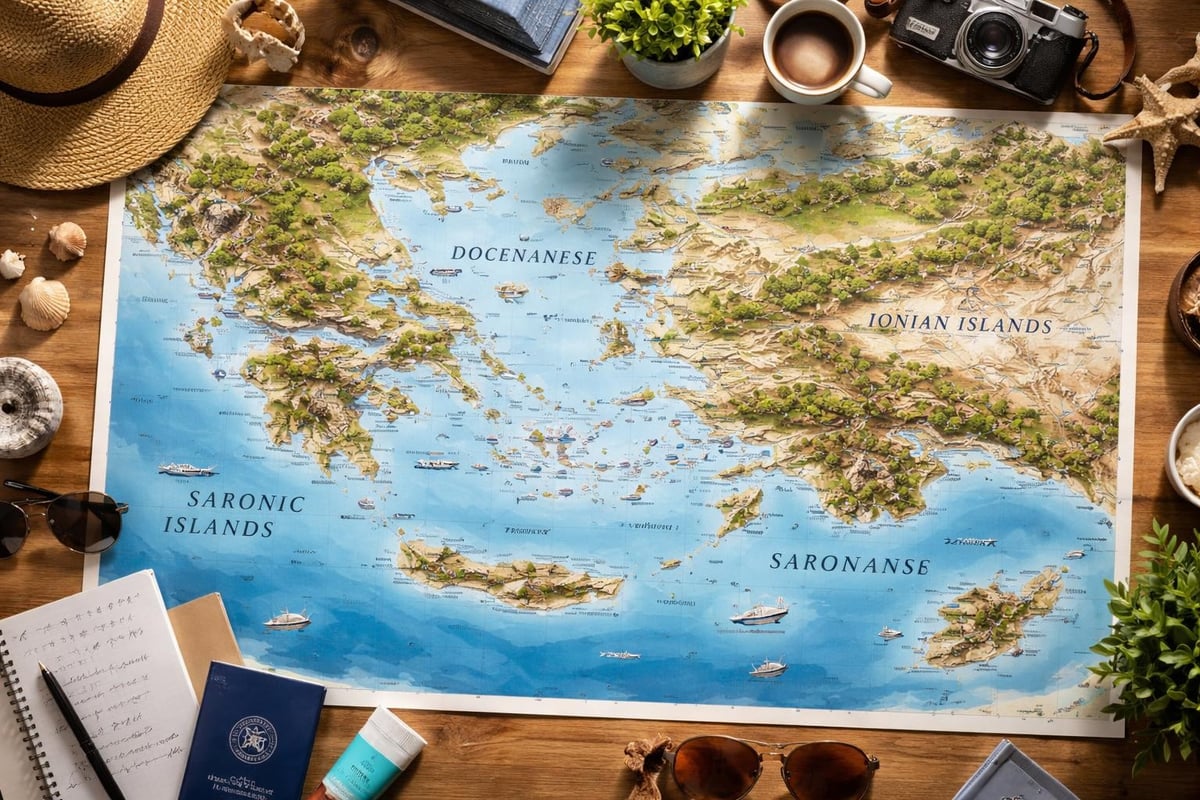
The Greek archipelago comprises over 6,000 islands and islets, though only about 227 are inhabited. These islands cluster into distinct groups, each offering unique characteristics and experiences.
The Cyclades: Iconic Beauty
The Cyclades represent what most travelers envision when picturing a greek isles tour. This central Aegean group includes Santorini, Mykonos, Paros, Naxos, and Delos. These islands feature:
- Distinctive white-and-blue architecture
- Dramatic volcanic landscapes
- World-class sunset viewing opportunities
- Vibrant nightlife scenes in select locations
- Ancient archaeological sites of global significance
Santorini stands out for its caldera views and romantic ambiance, while Mykonos attracts visitors with its cosmopolitan atmosphere and pristine beaches. Lesser-known gems like Paros and Naxos offer authentic village experiences without overwhelming tourist crowds.
The Dodecanese: Historical Richness
Located near the Turkish coast, the Dodecanese islands blend Greek and Eastern Mediterranean influences. Rhodes, Kos, and Patmos anchor this group, offering:
| Island | Key Attractions | Best For |
|---|---|---|
| Rhodes | Medieval Old Town, Palace of Grand Masters | History enthusiasts |
| Kos | Asklepion, Castle of the Knights | Archaeological sites |
| Patmos | Monastery of St. John, Cave of the Apocalypse | Spiritual retreats |
| Symi | Neo-classical architecture, sponge diving heritage | Photography lovers |
The Archaeological Institute of America offers specialized cruises through these historically significant waters, providing expert-led explorations of sites dating back thousands of years.
The Ionian Islands: Lush Landscapes
West of mainland Greece, the Ionian islands present a different aesthetic. Corfu, Kefalonia, and Zakynthos feature verdant hillsides, olive groves, and Venetian architectural influences. These islands receive more rainfall than their Aegean counterparts, creating dramatically different scenery that appeals to nature lovers and those seeking cooler summer temperatures.
Planning Your Greek Isles Tour Itinerary
Successful island hopping requires strategic planning to maximize your experience while minimizing travel stress. Most travelers find that visiting three to five islands over two weeks provides the ideal balance.
Selecting Your Islands
Your island selection should reflect your priorities:
For first-time visitors, a classic route might include Athens (2-3 days), Mykonos (3 days), and Santorini (3-4 days). This combination delivers iconic experiences while remaining logistically straightforward.
For archaeology enthusiasts, incorporating Delos and Akrotiri becomes essential. The uninhabited island of Delos, birthplace of Apollo in Greek mythology, contains one of the Mediterranean's most significant archaeological sites. Specialized archaeological tours provide expert context that transforms ancient ruins into vivid historical narratives.
For authentic cultural immersion, consider smaller islands like Folegandros, Milos, or Sifnos. These destinations offer genuine interactions with local communities and traditional ways of life that larger tourist centers sometimes lack.
Timing Your Visit
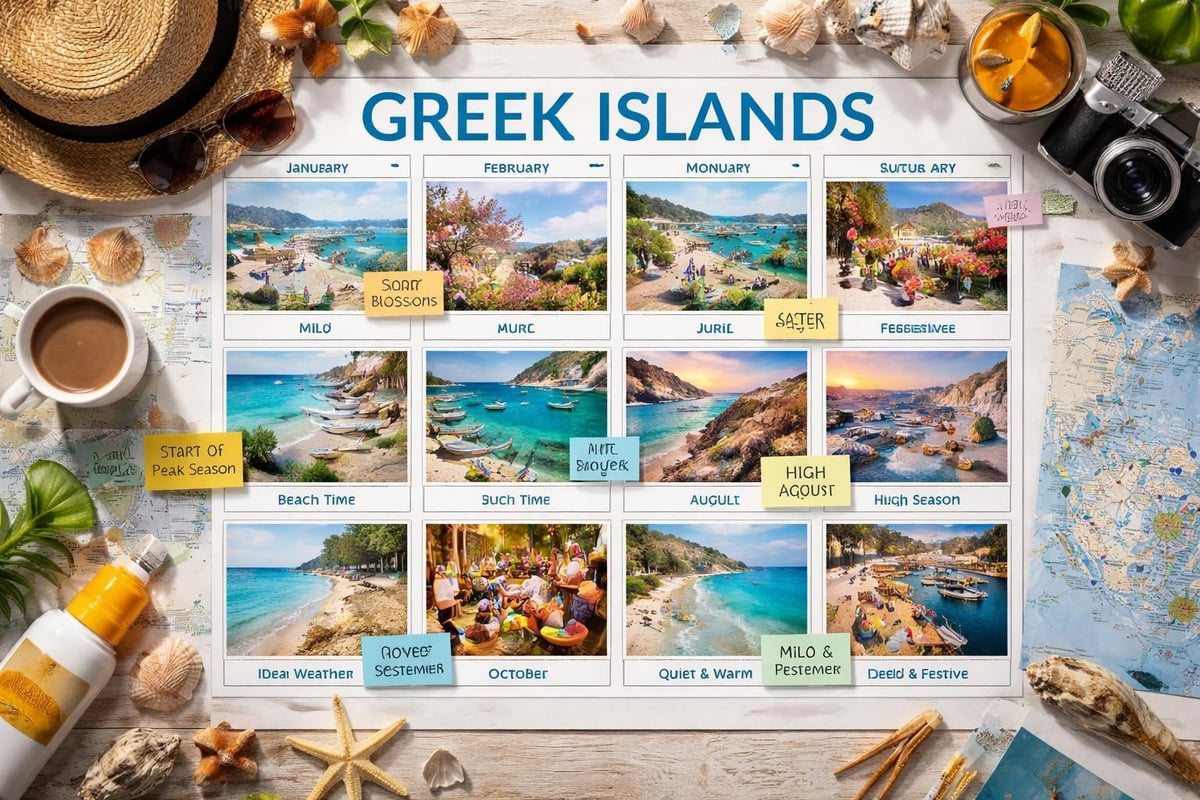
The timing of your greek isles tour dramatically impacts your experience:
- April-May: Wildflowers bloom, temperatures remain comfortable (65-75°F), and crowds stay manageable. Easter celebrations add cultural richness.
- June-August: Peak season brings guaranteed sunshine, warm swimming conditions, and vibrant nightlife. Expect higher prices and crowded attractions.
- September-October: Perhaps the ideal window, combining warm sea temperatures with thinning crowds and golden light perfect for photography.
- November-March: Many tourist facilities close, ferry schedules reduce dramatically, but prices drop significantly for those seeking solitude.
Most travelers planning a comprehensive tour should allocate 10-14 days minimum, though three weeks allows for a more relaxed pace with opportunities to explore beyond the highlights.
Transportation Between Islands
Ferry networks connect the Greek islands extensively, but understanding the system prevents frustration.
Ferry Types and Booking
Greece operates several ferry categories:
High-speed ferries cut travel time significantly, completing routes in 2-4 hours that conventional ferries need 5-8 hours to traverse. These modern vessels offer airplane-style seating, air conditioning, and onboard cafeterias.
Conventional ferries move more slowly but often cost less and provide outdoor deck space perfect for enjoying the journey itself. Many travelers find the slower pace part of the adventure.
Catamarans serve specific routes during peak season, offering the fastest connections between popular islands.
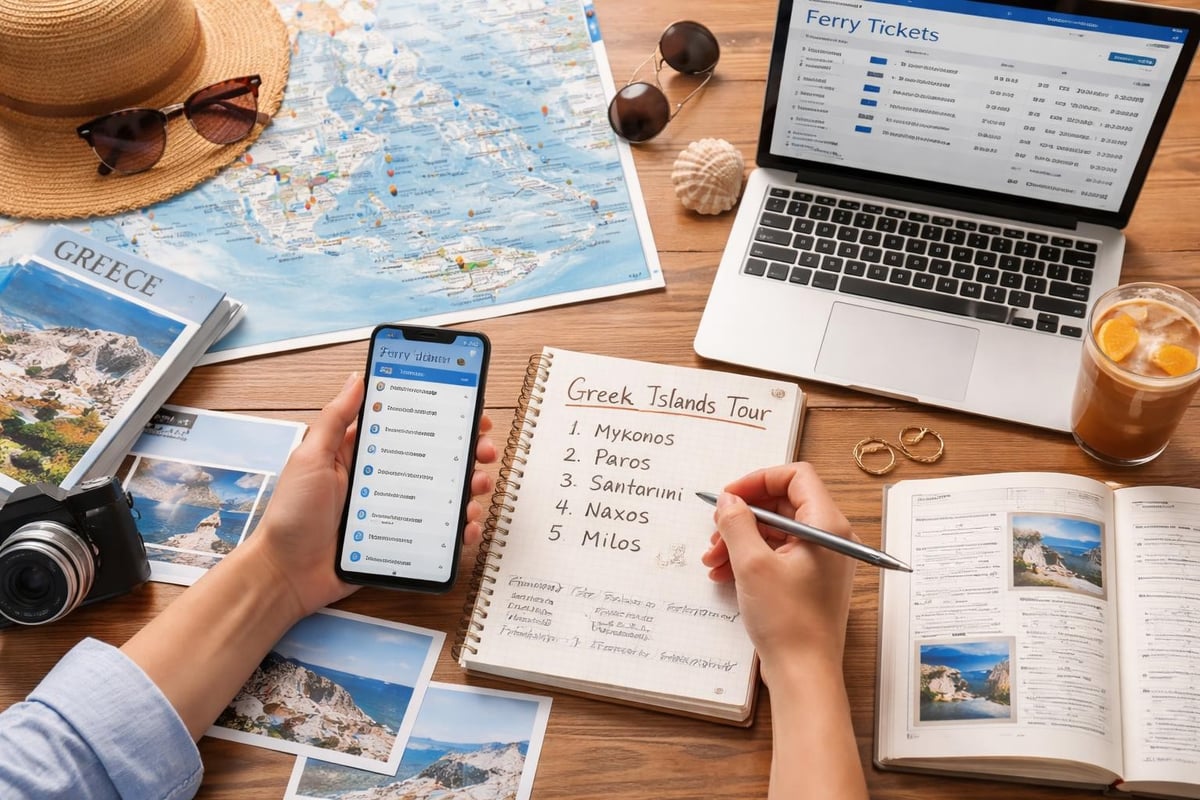
Book ferry tickets 2-4 weeks in advance during summer months, though shoulder season often allows same-day purchases. Several online platforms facilitate English-language bookings, though occasional schedule changes require flexibility.
Alternative Transportation
Domestic flights connect Athens with major islands like Santorini, Mykonos, Rhodes, and Crete. These flights save considerable time when covering long distances or working with limited vacation days.
Private yacht charters represent the ultimate luxury option, allowing complete itinerary control and access to secluded coves unreachable by larger vessels. This approach suits honeymoons and special celebrations particularly well.
Small ship cruises combine the convenience of unpacking once with the variety of visiting multiple islands. Companies offering walking-focused tours provide active exploration opportunities that traditional cruises cannot match.
Cultural Experiences Worth Seeking
A truly memorable greek isles tour extends beyond beaches and sunsets into authentic cultural engagement.
Archaeological Treasures
The Greek islands contain archaeological sites spanning 5,000 years of human civilization. Beyond the famous Acropolis in Athens, island-specific sites reveal distinct historical narratives.
Akrotiri on Santorini, preserved under volcanic ash since approximately 1600 BCE, offers a Bronze Age Pompeii. The remarkably intact frescoes and sophisticated urban planning demonstrate advanced Minoan civilization.
Delos served as the religious and commercial center of the ancient Aegean world. Walking through the Temple of Apollo, the Terrace of the Lions, and ancient residential quarters brings classical history to vivid life. Expert-led archaeological tours provide contextual depth that independent visits often miss.
The Palace of Knossos on Crete represents Europe's oldest city, with complex architecture that inspired the Minotaur labyrinth legend. While not technically a small island, Crete often anchors extended Greek isles tours due to its historical significance.
Local Culinary Traditions
Greek island cuisine varies significantly by region, reflecting local ingredients and historical influences:
- Santorini: White eggplant, cherry tomatoes, and fava beans thrive in volcanic soil. Local wineries produce distinctive Assyrtiko wines from ancient vines.
- Crete: Produces exceptional olive oil, wild herbs, and unique cheeses like mizithra. The Cretan diet represents one of the Mediterranean's healthiest.
- Rhodes: Shows Eastern influences through dishes like pitaroudia (chickpea fritters) and melekouni (honey-sesame bars).
Participating in cooking classes, visiting family-run olive oil producers, or attending local festivals transforms your tour from observation to genuine participation. Many customizable tour operators build these authentic experiences into their itineraries.
Traditional Villages and Artisans
Beyond coastal resort towns, mountain villages preserve centuries-old traditions. In these communities, you'll find:
Marble carvers on Paros and Tinos continuing techniques unchanged for generations. The translucent Parian marble once supplied ancient sculptors.
Pottery workshops throughout the islands where craftspeople still throw and fire ceramics using traditional methods and local clay.
Textile weavers creating intricate patterns on looms their grandmothers used, producing unique pieces impossible to find elsewhere.
Practical Considerations for Island Hopping
Successful navigation of a greek isles tour requires attention to practical details that less experienced travelers often overlook.
Accommodation Strategies
Book major islands early: Santorini and Mykonos accommodations during July-August should be reserved 4-6 months ahead. Caldera-view rooms in Santorini particularly fill rapidly.
Remain flexible with smaller islands: Lesser-known destinations often have availability even during peak season, allowing spontaneous extensions when you discover a place you love.
Consider location carefully: Staying in Fira or Oia on Santorini provides iconic views but comes with cruise ship crowds and premium pricing. Villages like Pyrgos offer authentic experiences at lower costs, though requiring short bus rides to main attractions.
| Accommodation Type | Price Range (2026) | Best For | Considerations |
|---|---|---|---|
| Luxury cave hotels | $300-800/night | Honeymoons, special occasions | Book 6+ months ahead |
| Boutique guesthouses | $120-250/night | Couples, comfort seekers | Balance of value and quality |
| Traditional studios | $60-120/night | Budget-conscious travelers | Simple but authentic |
| Backpacker hostels | $25-50/night | Solo travelers, social atmosphere | Limited privacy |
Packing Essentials
Island hopping presents unique packing challenges. You'll need items for multiple contexts while maintaining mobility:
Versatile footwear matters enormously. Comfortable walking shoes handle cobblestone villages and archaeological sites, while sandals suit beaches and casual dining. Many islands feature steep stairs and uneven surfaces that challenge fashion-focused footwear.
Sun protection requires serious attention. The Aegean sun intensifies when reflected off white buildings and water. High-SPF sunscreen, quality sunglasses, and wide-brimmed hats prevent vacation-ruining burns.
Modest clothing for monastery and church visits shows cultural respect. Shoulders and knees should be covered at religious sites, though most visitors appreciate the cooler coverage regardless.
Lightweight layers accommodate temperature variations between sea-level beaches and mountain villages, plus air-conditioned ferry interiors and warm evenings.
Extending Your Journey Beyond Greece
Many travelers discover that proximity to other destinations creates compelling extension opportunities.
Turkey's Turquoise Coast
The Turkish coastline lies remarkably close to several Greek islands. From Rhodes, you can reach Marmaris in just 50 minutes by ferry. From Kos, Bodrum sits only 45 minutes away.
These Turkish ports offer distinct cultural experiences, featuring magnificent Ottoman architecture, bustling bazaars, and exceptional cuisine representing the bridge between Europe and Asia. Combining Greek islands with Turkish coastal destinations creates a richer Mediterranean experience showcasing the region's cultural complexity.
Activity-Focused Extensions
Beyond standard sightseeing, the Greek islands support numerous specialized activities:
Diving and snorkeling reveal underwater archaeological sites, vibrant marine life, and dramatic underwater topography around volcanic islands.
Sailing schools offer certification courses in some of the world's most beautiful waters, with consistent winds and protected channels perfect for learning.
Hiking networks cross many islands, connecting villages through ancient footpaths with spectacular coastal views. Crete's Samaria Gorge and the trails connecting Naxos villages rank among Europe's finest walks.
Yoga and wellness retreats capitalize on the islands' natural beauty and peaceful atmospheres, particularly during shoulder seasons. Specialized activities can be incorporated into custom itineraries.
Navigating Common Challenges
Even well-planned Greek isles tours encounter occasional complications. Understanding common issues helps you respond effectively.
Ferry Delays and Cancellations
Strong winds, particularly the summer meltemi, occasionally force ferry cancellations. This affects smaller islands more than major routes. Building buffer days before international flights prevents missed connections. Travel insurance covering trip interruptions provides financial protection and peace of mind.
Language Barriers
While English is widely spoken in tourist areas, smaller villages and local businesses may require basic Greek phrases or translation apps. Learning simple courtesies like "kalimera" (good morning) and "efharisto" (thank you) opens doors and demonstrates cultural respect.
Budget Management
Greek islands can strain budgets quickly, particularly Santorini and Mykonos where prices rival major European capitals. Strategies for cost control include:
- Eating where locals eat, away from waterfront tourist zones
- Shopping at supermarkets for breakfast and snacks
- Using public buses instead of taxis where available
- Visiting free archaeological sites and beaches
- Traveling during shoulder seasons when accommodation costs drop 30-50%
Comprehensive travel planning guides help budget-conscious travelers identify hidden costs before departure.
Making Your Tour Meaningful
The most memorable Greek isles tours transcend checklist tourism, creating genuine connections with places and people.
Slow Travel Philosophy
Rather than attempting to visit every famous island, many experienced travelers now advocate for deeper engagement with fewer destinations. Spending four days on one island instead of two allows you to:
Develop a sense of place by learning neighborhood rhythms, discovering favorite cafes, and recognizing familiar faces.
Experience local life beyond tourist schedules, witnessing daily routines and seasonal traditions that quick visits miss entirely.
Reduce travel stress by eliminating constant packing, ferry-catching, and orientation to new surroundings.
Supporting Local Communities
Thoughtful tourism choices strengthen island communities rather than depleting them:
Purchase directly from artisans rather than import shops selling mass-produced "Greek" souvenirs manufactured elsewhere. Shop at farmers' markets where your euros support local agriculture. Choose family-run accommodations over international chains when possible.
Respect local customs and quiet hours, particularly in residential neighborhoods where tourism has altered traditional life patterns. Many islands struggle with balancing economic benefits of tourism against quality-of-life concerns for permanent residents.
Environmental Responsibility
The Greek islands face environmental pressures from overtourism, particularly regarding water resources and waste management. Responsible travelers can minimize their impact by:
- Carrying reusable water bottles and shopping bags
- Choosing accommodations with environmental certifications
- Respecting protected areas and archaeological sites
- Supporting restaurants sourcing ingredients locally
- Participating in beach cleanup initiatives some islands organize
A greek isles tour offers profound rewards for travelers seeking beauty, history, and authentic cultural engagement across one of the world's most captivating archipelagos. Whether you're drawn to archaeological wonders, pristine beaches, traditional villages, or culinary experiences, the Greek islands deliver unforgettable journeys that satisfy diverse interests and travel styles. Hellenic Holidays specializes in crafting personalized Greek island itineraries that reflect your unique preferences, handling complex logistics while ensuring access to authentic experiences that transform standard vacations into journeys of genuine discovery.