
Milos: Greece’s Hidden Volcanic Paradise in the Cyclades
When travelers envision the perfect Greek island escape, their minds often drift to the famous white-washed villages of Santorini or the vibrant nightlife of Mykonos. Yet nestled within the Cyclades archipelago lies Milos, a volcanic island that offers an equally captivating experience without the overwhelming crowds. This crescent-shaped gem boasts over 70 beaches, each with distinctive geological features, ancient historical sites, and authentic Greek culture that remains refreshingly unspoiled. For those seeking a tailor-made vacation that combines natural beauty with cultural depth, Milos presents an extraordinary destination worth exploring in detail.
The Volcanic Origins That Define Milos
The island's remarkable landscape stems directly from its volcanic past, creating a natural laboratory of geological wonders. Millions of years of volcanic activity have sculpted the terrain, producing multicolored rock formations, thermal springs, and mineral-rich beaches that distinguish Milos from neighboring islands.
Geological Diversity Creates Unique Landscapes
Volcanic activity shaped Milos’s distinctive features, resulting in dramatic cliffs, hidden sea caves, and beaches with sands ranging from white and golden to red and black. The island's crescent shape itself reflects the collapsed caldera of an ancient volcano, creating the protected Gulf of Milos at its center.
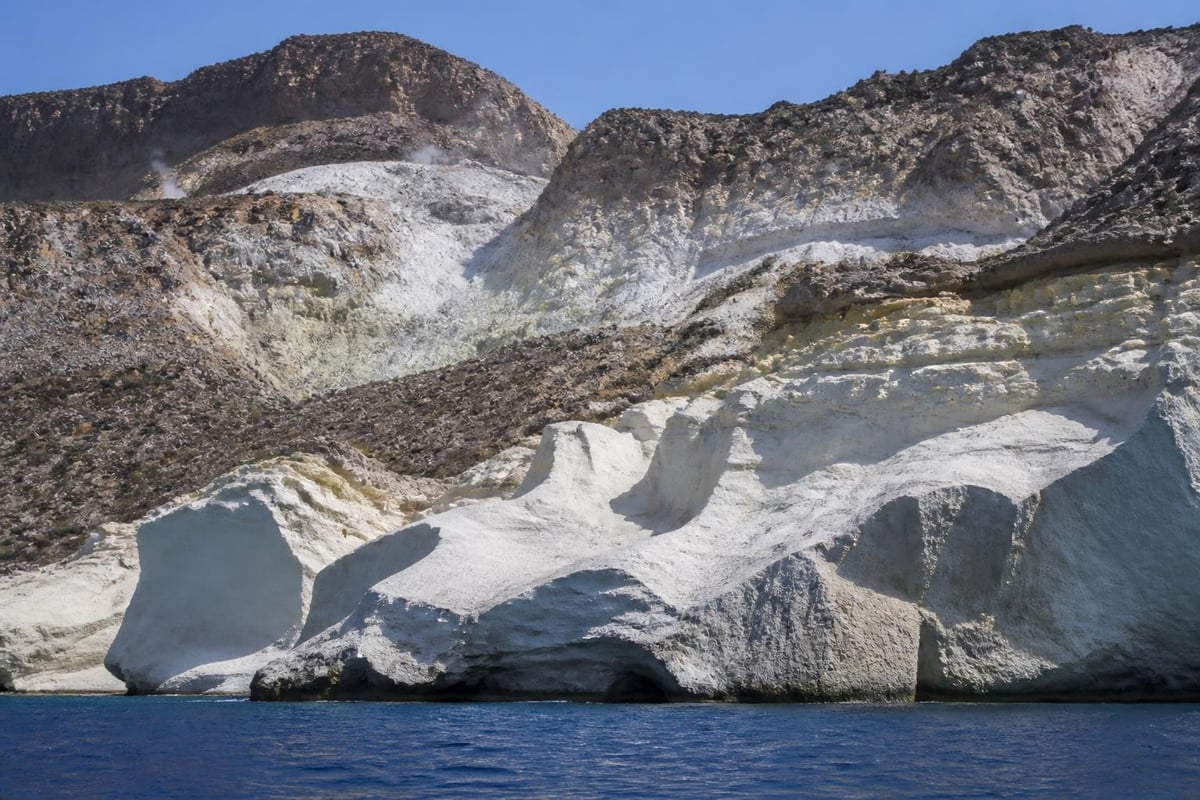
The mineral wealth beneath the surface has influenced both the island's economy and appearance for millennia. Visitors can observe:
- Sulfur deposits that create vivid yellow and orange landscapes
- Kaolin mines producing brilliant white clay formations
- Obsidian sources that once fueled ancient trade networks
- Thermal springs emerging along coastal areas
Mining Heritage and Modern Preservation
Mining operations have operated on Milos for thousands of years, extracting valuable minerals including bentonite, perlite, and kaolin. The island currently supplies approximately 70% of Europe's bentonite needs, demonstrating how geological resources continue supporting local communities.
This industrial heritage doesn't detract from natural beauty. Rather, abandoned mines have transformed into unique attractions, including the Mining Museum that preserves this important aspect of the island's identity. The contrast between active mineral extraction and pristine beaches creates a fascinating dynamic rarely found elsewhere.
Historical Significance From Ancient Times to Present
The history of Milos stretches back over 11,000 years, making it one of the earliest inhabited locations in the Aegean. This extensive timeline has left layers of archaeological treasures and cultural influences that enrich any visit.
The Obsidian Trade Network
During the Neolithic period, Milos held strategic importance as one of the Mediterranean's primary obsidian sources. This volcanic glass, prized for creating sharp tools and weapons, established trade routes connecting the island with distant civilizations.
Archaeological evidence reveals sophisticated mining operations dating to 7000 BCE, demonstrating advanced organizational capabilities among early inhabitants. The obsidian trade brought prosperity and cultural exchange, establishing Milos as a crucial node in prehistoric commerce networks.
Classical Era and the Venus de Milo
Perhaps the island's most famous contribution to world culture emerged in 1820 when a farmer discovered the Venus de Milo statue, now displayed in the Louvre Museum. This masterpiece of Hellenistic sculpture represents Aphrodite and ranks among antiquity's most celebrated artworks.
During classical times, Milos participated in significant historical events, including the Peloponnesian War. The "Melian Dialogue," recorded by Thucydides, describes Athens's brutal conquest of the island in 416 BCE, illustrating the harsh realities of ancient geopolitics.
| Historical Period | Key Developments | Lasting Impact |
|---|---|---|
| Neolithic Era | Obsidian mining and trade | Established economic foundation |
| Classical Period | Strategic importance, Venus de Milo | Cultural significance |
| Byzantine Era | Christian communities, catacombs | Religious heritage sites |
| Venetian Rule | Fortifications, administrative structures | Architectural landmarks |
| Modern Era | Mining industry expansion | Economic sustainability |
Beach Paradise With Unmatched Variety
The coastal offerings of Milos justify its reputation as a beach lover's paradise. With over 70 distinct beaches scattered around the island's 125-kilometer coastline, visitors encounter remarkable diversity in landscapes, accessibility, and ambiance.
Iconic Beaches and Their Unique Characteristics
Each beach on Milos possesses distinctive qualities shaped by volcanic geology. Sarakiniko, perhaps the most photographed location, features lunar-like white volcanic rock formations creating natural sculptures and turquoise pools. This otherworldly landscape provides unforgettable photo opportunities and swimming experiences.
Kleftiko, accessible only by boat, presents towering white cliffs rising from crystal-clear waters, forming natural arches and caves carved by millennia of wave action. The name translates to "hideout," referencing pirates who allegedly used these secluded coves as bases.
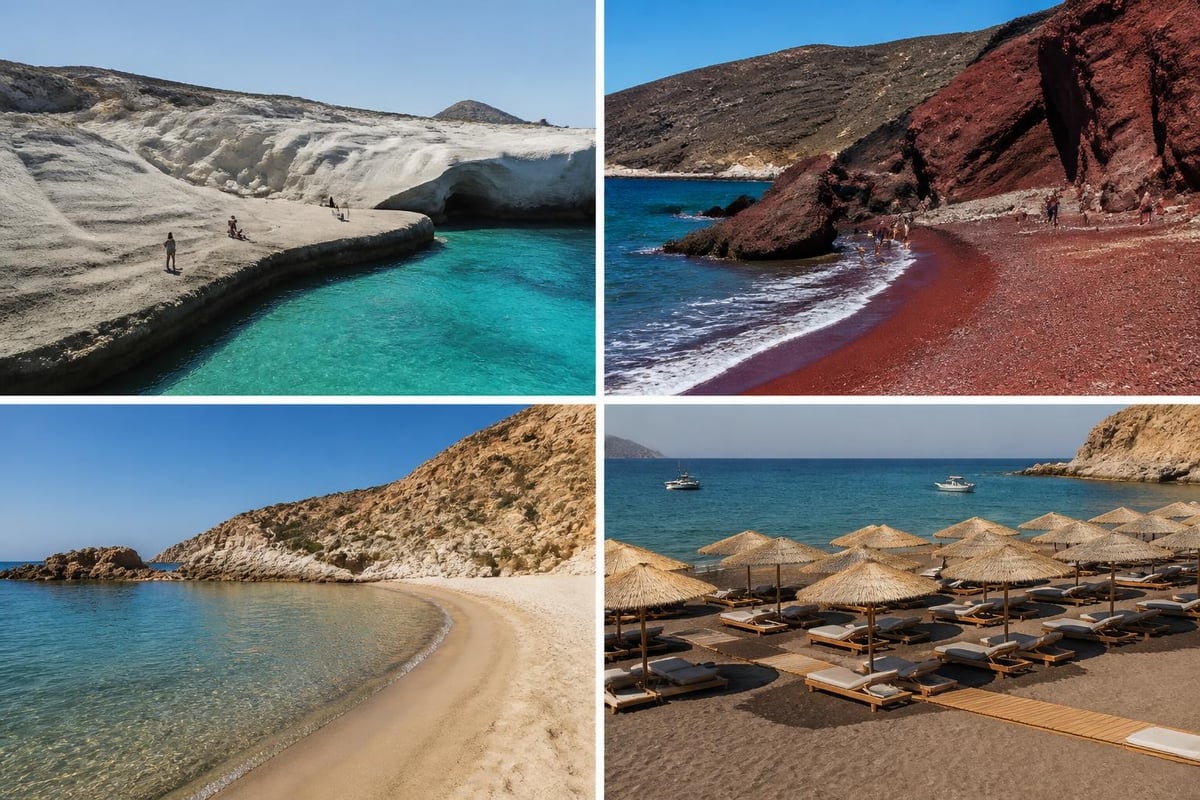
Additional notable beaches include:
- Firiplaka: Red and white cliffs creating dramatic color contrasts
- Tsigrado: Accessible via ladder descent into a narrow cove
- Paleochori: Thermal springs warming the shallow waters
- Pollonia: Organized beach with tavernas and water sports
- Papafragas: Cave formations creating protected swimming pools
Exploring Remote Coves and Hidden Gems
Many of the island's most spectacular beaches remain difficult to access by land, encouraging boat excursions that reveal Milos from the sea. Daily boat tours circumnavigate the island, stopping at remote coves impossible to reach otherwise.
This accessibility challenge actually enhances the experience, ensuring quieter beaches and preserving the natural environment. Renting a boat or joining organized tours allows visitors to craft personalized itineraries matching their preferences for adventure versus relaxation.
Charming Villages and Authentic Culture
Beyond natural attractions, Milos offers genuine Greek culture through traditional villages maintaining centuries-old customs and architectural styles. Unlike more commercialized islands, communities here retain authentic character and welcoming hospitality.
Plaka: The Island Capital
Perched atop a hill overlooking the gulf, Plaka serves as the island's administrative and cultural heart. Narrow cobblestone streets wind between traditional Cycladic houses, leading to charming squares, local tavernas, and artisan shops.
The Archaeological Museum houses artifacts spanning Milos's long history, including Neolithic tools, classical pottery, and Byzantine relics. Nearby, the ancient castle ruins provide panoramic sunset views across the Aegean, creating memorable evening experiences.
Fishing Villages and Maritime Traditions
Coastal settlements like Klima, Mandrakia, and Firopotamos showcase the island's maritime heritage through distinctive "syrmata" – colorful boat houses built directly at the water's edge with arched doorways for fishing boats. These photogenic structures, painted in vibrant blues, greens, and reds, create Instagram-worthy scenes while serving practical purposes for local fishermen.
Pollonia, the second-largest village, combines traditional character with tourist amenities, offering waterfront dining, accommodation options, and ferry connections to neighboring islands. The fishing harbor comes alive each evening as boats return with daily catches destined for local restaurants.
Culinary Experiences Rooted in Tradition
The gastronomic landscape of Milos reflects its agricultural traditions, fishing heritage, and volcanic soil's unique properties. Local specialties incorporate ingredients that thrive in the island's mineral-rich environment.
Traditional Dishes and Local Specialties
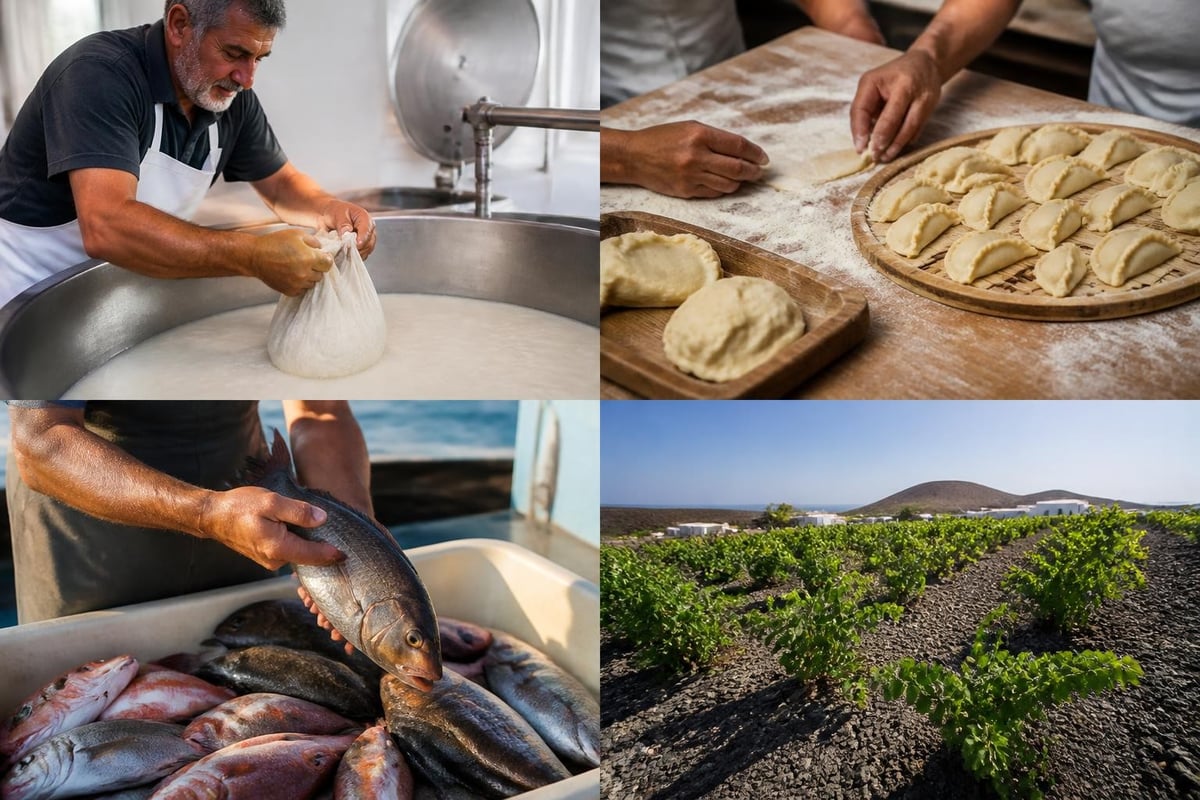
Cheese production represents a cornerstone of local cuisine, with "ladotyri Milou" holding Protected Designation of Origin status. This sheep's milk cheese, preserved in olive oil, delivers distinctive flavors unavailable elsewhere.
Seafood naturally dominates menus, with daily catches prepared simply to highlight freshness. Grilled octopus, fried calamari, and baked sea bream feature prominently, often accompanied by locally grown vegetables and wild greens.
Mining traditions even influence cuisine through "pitarakia," cheese-filled pastries historically packed for miners' lunches. These savory snacks now appear in bakeries throughout the island, connecting visitors to working-class heritage.
| Dish | Main Ingredients | Cultural Significance |
|---|---|---|
| Ladotyri Milou | Sheep's milk, olive oil | PDO cheese, mineral-rich pastures |
| Pitarakia | Cheese, herbs, phyllo dough | Traditional miner's food |
| Honey | Wild herbs, thyme | Volcanic soil influences flavor profile |
| Watermelon pie | Watermelon, cheese, phyllo | Unique sweet-savory combination |
Wine Production and Local Beverages
Small-scale wine production on Milos creates distinctive varieties influenced by volcanic soil and maritime climate. Assyrtiko grapes, the same variety thriving on Santorini, produce crisp white wines with mineral notes and high acidity balancing the Mediterranean heat.
Local distilleries craft "souma," a grape-based spirit similar to raki or grappa, consumed during celebrations and offered as welcome drinks. Tasting these traditional beverages provides insight into agricultural practices and social customs.
Planning Your Visit to Milos
Strategic planning maximizes the Milos experience, considering seasonal variations, transportation options, and activity preferences. Understanding practical aspects ensures smooth travel and optimal enjoyment.
Best Times to Visit
The ideal visiting period extends from May through October, with each month offering distinct advantages:
May-June: Wildflowers bloom across hillsides, temperatures remain comfortable, and crowds stay minimal. Beach waters warm sufficiently for swimming by late May.
July-August: Peak season brings guaranteed sunshine, warmest water temperatures, and full operation of all tourist facilities. However, popular beaches experience higher visitor numbers, and accommodation prices increase.
September-October: Many consider this the perfect window, combining warm weather, calm seas, and reduced crowds as families return home. September water temperatures often reach their annual peak.
Winter months (November-April) see most tourist facilities close, though mild temperatures and dramatic wave action create different appeal for those seeking solitude.
Transportation and Getting Around
Reaching Milos requires either ferry service or flights. Athens serves as the primary gateway, with daily ferry departures from Piraeus port taking approximately 3-7 hours depending on vessel type. High-speed catamarans offer faster transit at premium prices.
During summer, direct flights operate between Athens and Milos, reducing travel time to 45 minutes. The small airport sits near Pollonia, requiring short transfers to most destinations.
On-island transportation options include:
- Rental cars and ATVs: Provide maximum flexibility for beach-hopping
- Scooters and motorcycles: Suitable for experienced riders on winding roads
- Local buses: Limited routes connecting major villages
- Taxis and transfers: Available but should be arranged in advance
- Boat rentals: Essential for accessing remote beaches
Roads remain generally good condition, though some beach approaches require careful navigation on unpaved tracks. Parking at popular beaches fills quickly during peak hours, encouraging early starts.
Activities Beyond the Beach
While coastal attractions dominate most itineraries, diverse activities on Milos cater to various interests including history, adventure, and wellness.
Archaeological Sites and Cultural Attractions
The ancient Roman theater at Tripiti accommodates visitors year-round, hosting occasional summer performances that recreate classical entertainment experiences. Nearby catacombs represent some of Christianity's earliest burial sites, predating similar Roman examples.
The Mining Museum in Adamas provides comprehensive exhibits explaining the island's industrial heritage, mineral diversity, and modern extraction techniques. Interactive displays engage visitors with geological processes that created this unique landscape.
Adventure Activities and Water Sports
Beyond swimming and sunbathing, active travelers find numerous opportunities:
- Kayaking excursions exploring sea caves and coastline
- Snorkeling and diving discovering underwater volcanic formations
- Hiking trails connecting villages with coastal viewpoints
- Rock climbing on volcanic cliffs (for experienced climbers)
- Stand-up paddleboarding in calm gulf waters
Guided tours often combine multiple activities, such as kayaking to remote beaches followed by snorkeling in crystal-clear coves. These experiences reveal perspectives impossible to gain from land-based exploration alone.
Wellness and Relaxation
Thermal springs scattered around Milos offer natural spa experiences without commercial development. Paleochori beach features warm water bubbling through volcanic rocks, creating natural hot tubs where visitors soak while enjoying sea views.
The relaxed island pace itself promotes wellness, encouraging slow mornings at village cafes, leisurely beach afternoons, and sunset strolls along harbor promenades. This unhurried rhythm provides welcome contrast to modern life's constant demands.
Sustainable Tourism and Island Preservation
As visitor numbers increase annually, balancing tourism development with environmental protection becomes increasingly important. Local communities and authorities implement measures ensuring Milos retains its authentic character and natural beauty for future generations.
Environmental Initiatives
Beach clean-up programs engage both residents and visitors in maintaining coastal areas. Many beaches now feature recycling facilities and discourage single-use plastics through educational signage and community awareness campaigns.
Protected marine areas surrounding Milos safeguard biodiversity, restricting fishing and anchoring in sensitive zones. These conservation efforts preserve underwater ecosystems while maintaining healthy fish populations supporting local fishermen.
Responsible Travel Practices
Visitors contribute to sustainability through mindful choices:
- Supporting family-owned tavernas and shops rather than international chains
- Respecting private property and agricultural land when accessing beaches
- Following designated trails to prevent erosion and habitat damage
- Conserving water during summer months when resources become scarce
- Avoiding removal of rocks, shells, or volcanic specimens as souvenirs
Accommodations Matching Every Preference
Lodging options on Milos span budget hostels to luxury villas, with most concentrated in Adamas, Pollonia, and Plaka. The accommodation landscape balances traditional guesthouses with modern boutique hotels.
Traditional Cave Houses and Modern Comfort
Several properties offer stays in renovated cave dwellings, providing authentic experiences within naturally climate-controlled environments. These traditional structures, carved into volcanic rock, maintain cool interiors during summer heat while offering unique architectural character.
Contemporary hotels incorporate Cycladic design principles with modern amenities, featuring infinity pools overlooking the gulf, spa facilities, and gourmet restaurants showcasing local ingredients. Many properties embrace sustainability through solar power, water conservation systems, and locally sourced furnishings.
Strategic Location Considerations
Choosing accommodation locations depends on travel priorities:
Adamas: Central location with restaurants, shops, and ferry port proximity. Ideal for those without vehicles or preferring walkable access to amenities.
Plaka: Elevated position offering sunset views and traditional atmosphere. Requires transportation for beach access but provides authentic village experience.
Pollonia: Quieter alternative with beach proximity and ferry connections to Kimolos. Appeals to those seeking relaxed ambiance away from main tourist areas.
Beachfront properties: Limited options exist at beaches like Paleochori and Provatas, offering immediate water access with potential isolation from village life.
Combining Milos With Broader Cyclades Exploration
The island's location within the Cyclades makes it excellent for multi-destination itineraries. Ferry connections link Milos with neighboring islands, enabling comprehensive archipelago exploration.
Island-Hopping Itineraries
Strategic routing allows travelers to experience contrasting island personalities:
- Milos-Folegandros-Santorini: Combines volcanic landscapes with varying development levels and distinct atmospheres
- Milos-Sifnos-Serifos: Explores lesser-known islands emphasizing traditional culture and gastronomy
- Milos-Kimolos: Quick ferry crossing (20 minutes) reaches Milos's quieter neighbor for day trips or extended stays
Ferry schedules fluctuate seasonally, with maximum frequency during summer months. Advance booking becomes essential for peak travel periods, particularly when coordinating accommodation with transportation.
Complementary Experiences Across Islands
Each Cycladic island offers unique characteristics that complement Milos's volcanic beauty. Combining destinations creates richer understanding of regional diversity while preventing monotony through varied landscapes and cultural expressions.
Sophisticated travelers seeking substance alongside style appreciate how Milos balances archaeological significance with natural wonders, providing depth beyond superficial beach tourism. Pairing this geological marvel with Santorini's caldera drama and Mykonos's vibrant energy constructs comprehensive Greek island experiences.
Milos stands as proof that Greece's islands offer infinite variety, rewarding travelers who venture beyond the most famous destinations. The combination of volcanic landscapes, rich history, pristine beaches, and authentic culture creates unforgettable experiences that define meaningful travel. Whether you're planning a romantic honeymoon, a family adventure, or a cultural exploration, Hellenic Holidays specializes in crafting tailor-made itineraries that showcase Milos alongside other Greek treasures, ensuring your journey reflects your unique interests and travel style.