
Greece Trips 2026: Complete Planning Guide & Insider Tips
Planning greece trips requires thoughtful preparation and insider knowledge to transform a standard vacation into an extraordinary journey through one of the world's most captivating destinations. Whether you're drawn to the iconic whitewashed buildings of the Cyclades, the ancient ruins that whisper stories of civilization's birthplace, or the crystalline waters that have inspired poets for millennia, understanding how to structure your Greek adventure ensures you'll experience the best this Mediterranean paradise has to offer. From timing your visit perfectly to navigating between islands and immersing yourself in authentic local culture, the key to successful greece trips lies in balancing structured planning with flexibility for spontaneous discoveries.
Understanding the Greek Geography for Better Trip Planning
Greece's unique geography shapes every aspect of travel planning, with over 6,000 islands scattered across the Aegean and Ionian Seas alongside a mainland rich in historical significance. Only about 227 of these islands are inhabited, and each offers distinct characteristics that appeal to different traveler preferences.
Mainland Highlights and Regional Diversity
The Greek mainland serves as the historical and cultural foundation for most greece trips, with Athens standing as the essential gateway city. Beyond the capital's ancient wonders, regions like the Peloponnese showcase medieval castles, archaeological sites, and traditional villages that remain largely untouched by mass tourism.
Key Mainland Regions:
- Attica (Athens and surrounding areas) – Ancient monuments and modern culture
- Peloponnese – Olympia, Mycenae, and scenic coastal drives
- Thessaly – Meteora's cliff-top monasteries
- Epirus – Mountain villages and Vikos Gorge
- Macedonia – Thessaloniki's vibrant food scene and Byzantine heritage
Northern Greece offers cooler temperatures and lush landscapes that contrast sharply with the sun-drenched islands. The region rewards adventurous travelers with authentic experiences far from tourist crowds.
Island Clusters and Their Unique Characters
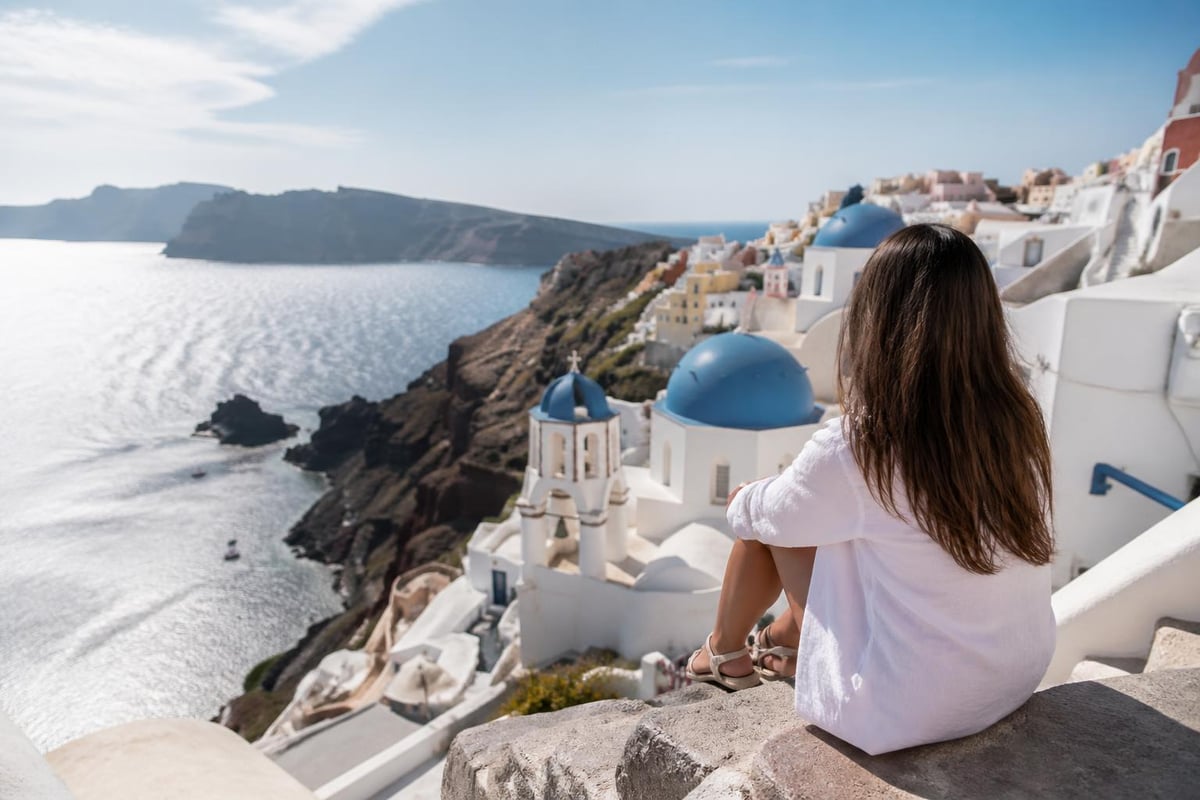
Understanding island groupings helps optimize ferry schedules and thematic experiences. The Cyclades, including Santorini and Mykonos, deliver postcard-perfect Aegean aesthetics. The Dodecanese islands like Rhodes blend Greek and Italian influences due to their complex history.
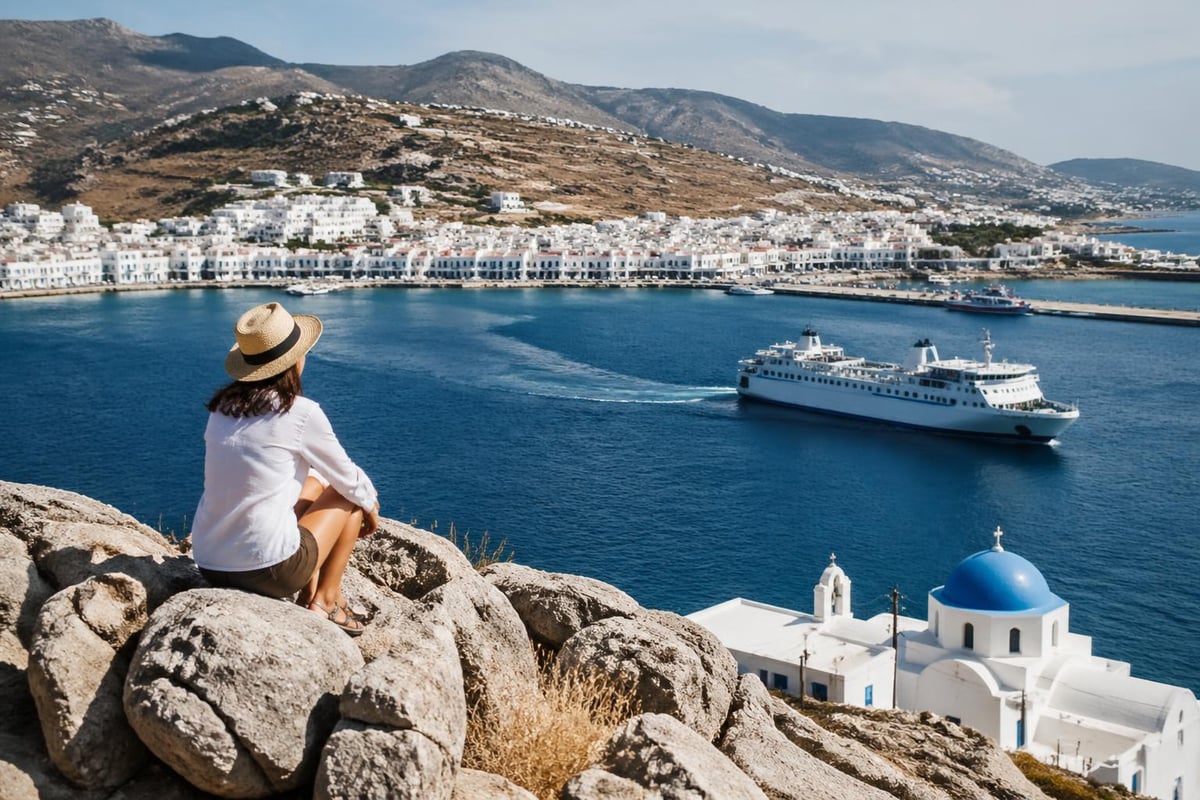
The Ionian Islands on Greece's western coast feature Venetian architecture and greener landscapes thanks to higher rainfall. Meanwhile, the Sporades and northeastern Aegean islands remain relatively undiscovered, offering peaceful alternatives to heavily touristed destinations.
Seasonal Considerations for Optimal Greece Trips
Timing dramatically impacts your Greek experience, influencing everything from weather conditions to crowd levels and pricing. The traditional high season runs from late June through August, when temperatures soar and tourist numbers peak.
| Season | Temperature Range | Advantages | Considerations |
|---|---|---|---|
| Spring (April-May) | 60-75°F | Wildflowers, fewer crowds, lower prices | Some island services limited |
| Summer (June-August) | 80-95°F | Full services, vibrant nightlife, perfect beaches | Crowded, expensive, extreme heat |
| Fall (September-October) | 70-80°F | Warm water, harvest season, manageable crowds | Occasional rain in October |
| Winter (November-March) | 45-60°F | Rock-bottom prices, authentic local life | Many island hotels closed |
May and September represent ideal windows for greece trips, offering comfortable temperatures without overwhelming crowds. Essential travel tips for first-time visitors to Greece emphasize these shoulder seasons as optimal for balancing weather and experience quality.
Festival and Holiday Planning
Greece's cultural calendar significantly influences the character of your visit. Easter (typically April or May) represents the most important Greek holiday, with spectacular celebrations particularly impressive on islands like Corfu and in Athens. However, many businesses close during Holy Week, requiring advance planning.
Summer festivals fill ancient theaters with performances, from classical Greek drama to modern concerts. August 15th (Assumption Day) triggers massive domestic travel, with Greeks flooding islands and villages for family celebrations.
Crafting Your Ideal Itinerary Structure
The foundation of successful greece trips involves realistic time allocation across destinations. First-time visitors often underestimate travel time between locations, leading to rushed experiences that diminish enjoyment.
The Two-Week Standard Framework
A fourteen-day trip allows comprehensive exploration without exhausting pace. This timeframe supports visiting three to four destinations with adequate depth.
Sample Two-Week Structure:
- Days 1-3: Athens exploration and acclimatization
- Days 4-7: First island destination (Santorini or Crete)
- Days 8-11: Second island destination (Mykonos or Naxos)
- Days 12-13: Third destination or return to Athens
- Day 14: Departure buffer day
This rhythm allows settling into each location rather than constantly packing and unpacking. Island ferries require arriving at ports with time buffers, as delays can occur during weather events.
Single-Theme Versus Multi-Experience Approaches
Some travelers prefer focusing on specific themes like archaeological exploration, beach relaxation, or culinary discovery. Thematic greece trips might concentrate on the Peloponnese's ancient sites or island-hopping through lesser-known Cyclades destinations.
Others seek variety, combining urban exploration in Athens or Thessaloniki with island relaxation and perhaps a mainland mountain village experience. National Geographic’s comprehensive guide to Greece provides destination insights that help match locations to personal interests.
Transportation Logistics and Island Hopping Strategies
Navigating Greece's transportation network requires understanding multiple systems that operate on different schedules and reliability levels. Ferry services dominate island connectivity, while domestic flights offer time-saving alternatives for long distances.
Ferry System Navigation
Greek ferry companies operate on seasonal schedules, with frequent service during summer months and reduced winter schedules. High-speed catamarans cut travel time significantly but cost more and may cancel in rough seas.
Ferry Booking Essentials:
- Book popular routes (Athens-Santorini, Mykonos-Santorini) several weeks ahead in summer
- Check multiple ferry companies for best departure times
- Consider overnight ferries for long distances to save accommodation costs
- Port locations vary; Athens uses Piraeus for most Cyclades routes and Rafina for some islands
- Always arrive at ports 45-60 minutes before departure
Blue Star Ferries and SeaJets represent the largest operators, but numerous smaller companies serve specific routes. Online booking systems allow advance purchases, though tickets can typically be bought at port agencies.
Domestic Flight Advantages
Olympic Air and Aegean Airlines connect Athens to major islands and cities, with flight times rarely exceeding one hour. When factoring ferry waiting times and slower speeds, flights often prove more efficient for reaching destinations like Rhodes, Crete, or Corfu.
Budget carefully, as flight prices fluctuate dramatically. Early bookings secure better rates, particularly for summer travel. Combining flights outbound with ferry returns allows experiencing both transportation modes.
Cultural Immersion and Authentic Experiences
The most memorable greece trips extend beyond iconic landmarks into genuine cultural engagement. Understanding local customs and daily rhythms opens doors to experiences that surface-level tourism misses.
Dining Culture and Timing
Greeks eat late by American standards, with dinner rarely beginning before 9 PM in summer. Lunch often occurs between 2-3 PM, coinciding with the hottest part of the day. Embracing this schedule allows dining among locals rather than early-bird tourist crowds.
Traditional tavernas prioritize fresh, seasonal ingredients over elaborate presentation. Ordering multiple small plates (mezze) for sharing aligns with Greek dining culture. Don't expect quick service; meals are social events meant for lingering conversation.
Understanding Greek culture and etiquette helps navigate social situations appropriately, from proper greetings to tipping customs and coffee shop etiquette.
The Sacred Siesta and Daily Rhythms
Most businesses close between 2-5 PM for mesimeri (afternoon rest), particularly outside major tourist areas. Fighting this tradition creates frustration, while embracing it enhances experiences. Use midday hours for beach time, hotel relaxation, or planning evening activities.
Shops and offices typically operate 9 AM-2 PM and 5-8 PM on weekdays. This split schedule means mornings and evenings offer optimal exploration windows for shopping and urban wandering.
Accommodation Strategies for Different Greece Trips
Where you sleep significantly impacts both budget and experience quality. Greece offers accommodation diversity ranging from luxury resorts to family-run guesthouses, each suited to different travel styles.
| Accommodation Type | Best For | Average Cost (2026) | Booking Timeline |
|---|---|---|---|
| Boutique Hotels | Romantic getaways, special occasions | $200-400/night | 2-4 months ahead |
| Traditional Guesthouses | Cultural immersion, authentic experiences | $80-150/night | 1-2 months ahead |
| Airbnb Apartments | Families, longer stays, self-catering | $100-250/night | 2-3 months ahead |
| Hostels | Solo travelers, budget-conscious visitors | $25-60/night | 1 month ahead |
| Luxury Resorts | All-inclusive relaxation | $400-1000+/night | 3-6 months ahead |
Location Versus Amenities Trade-offs
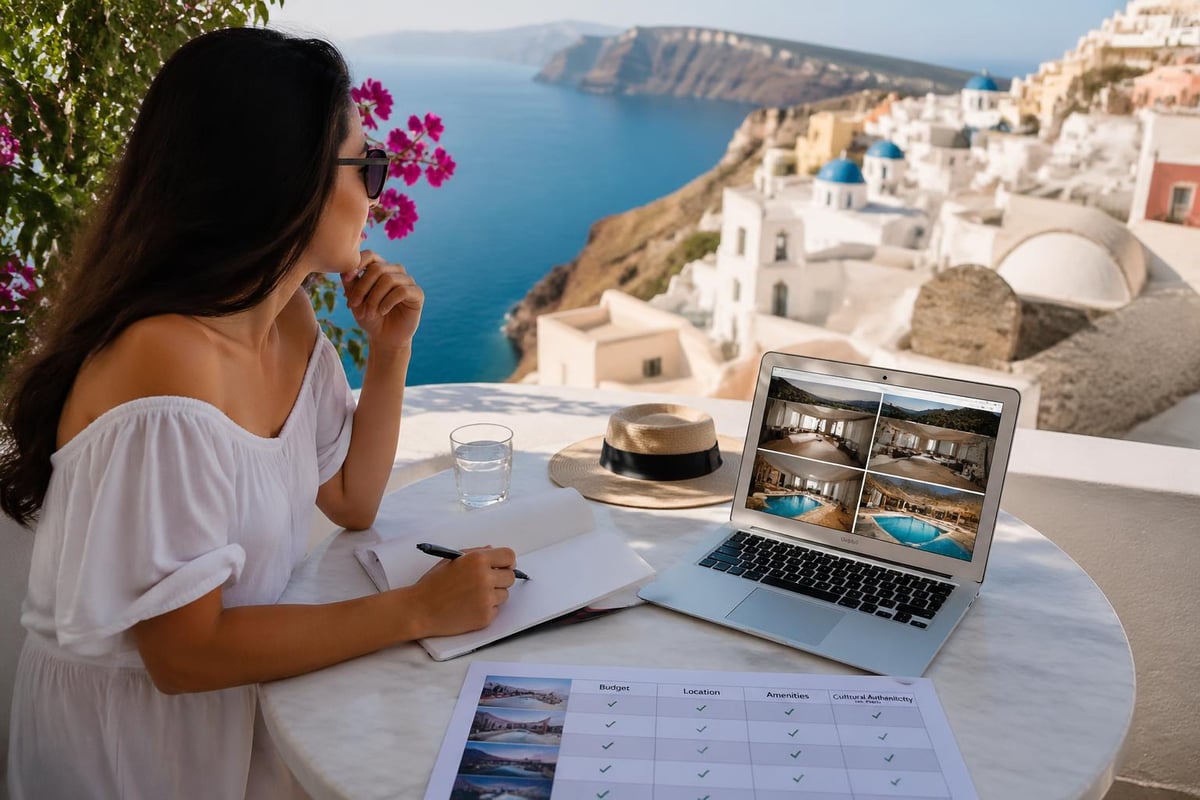
Staying in tourist-central locations maximizes convenience but minimizes authentic neighborhood experiences. Properties in Plaka (Athens), Oia (Santorini), or Mykonos Town command premium prices for their proximity to attractions.
Alternative neighborhoods offer better value with short walks or quick bus rides to main sights. In Athens, areas like Koukaki or Exarchia provide local flavor with easy metro access to major sites. On islands, accommodations away from main towns often include stunning views and peaceful environments.
Budget Planning and Money Management
Greece trips accommodate various budget levels, from backpacker-friendly to luxury experiences. Understanding cost structures helps allocate resources effectively across transportation, accommodation, dining, and activities.
Realistic Daily Budget Ranges
Budget travelers can manage on $70-100 daily by staying in hostels, eating street food and taverna meals, using public transportation, and limiting paid activities. Mid-range travelers spending $150-250 daily enjoy comfortable hotels, regular restaurant dining, occasional taxis, and popular tours.
Luxury experiences starting at $400+ daily encompass boutique hotels, fine dining, private transfers, and exclusive activities. Most visitors find the mid-range sweet spot offers excellent value while maintaining comfort and flexibility.
Money-Saving Strategies:
- Eat your main meal at lunch when many restaurants offer reduced-price menus
- Purchase ferry tickets at port agencies rather than online to avoid booking fees
- Visit archaeological sites on first Sundays (November-March) for free admission
- Stay in apartments with kitchens to prepare some meals
- Use public transportation rather than taxis when practical
Payment Methods and Cash Considerations
While credit cards gain acceptance, cash remains essential in Greece. Small tavernas, local shops, and transportation services often operate cash-only. ATMs are widely available in cities and tourist areas but scarce in remote villages.
Notify your bank of travel plans to avoid card freezes. Withdraw larger amounts less frequently to minimize ATM fees. Keep smaller bills available, as shopkeepers may claim inability to break large notes.
Packing Smart for Greek Climate and Culture
Mediterranean weather patterns and cultural norms influence packing decisions for greece trips. Avoiding common packing mistakes ensures comfort without excess baggage.
Essential Items for All Seasons
Regardless of travel timing, certain items prove universally valuable. Sun protection ranks paramount, as Greek sun intensity surprises many visitors. High-SPF sunscreen, wide-brimmed hats, and quality sunglasses prevent uncomfortable burns.
Core Packing List:
- Comfortable walking shoes with good support (ancient sites have uneven surfaces)
- Light layers for temperature variations (particularly relevant for spring and fall)
- Modest clothing for church and monastery visits (covered shoulders and knees required)
- Adapter plugs for European outlets (Type C and F)
- Reef-safe sunscreen (protecting marine ecosystems)
- Reusable water bottle (tap water is safe in most areas)
- Small daypack for excursions
Seasonal Adjustments and Activity-Specific Needs
Summer visitors need minimal clothing weight, focusing on breathable fabrics that dry quickly. Bring at least one nicer outfit for upscale restaurant dining or evening entertainment. Winter travelers require warmer layers, as Greek buildings often have minimal heating and coastal winds create significant chill.
Island hopping necessitates compact packing, as cobblestone streets and ferry boarding make wheeled luggage cumbersome. Backpacks or soft-sided bags maneuver more easily through narrow village paths and aboard boats.
Culinary Exploration Beyond Tourist Traps
Greek cuisine extends far beyond the moussaka and Greek salad commonly found on tourist menus. Regional specialties and seasonal ingredients create diverse dining experiences that vary dramatically across the country.
Regional Specialties Worth Seeking
Crete's culinary tradition emphasizes wild greens, exceptional olive oil, and unique cheeses like graviera. Santorini specializes in products adapted to volcanic soil, including distinctive tomatoes and white eggplant. The Cyclades islands showcase fresh seafood, while northern Greece features hearty meat dishes and Balkan influences.
Local markets offer insight into seasonal eating patterns and opportunities to purchase regional products. Morning visits to central markets in Athens, Thessaloniki, or Chania reveal ingredients that rarely appear on restaurant menus.
Wine and Beverage Culture
Greece's wine industry has experienced remarkable renaissance, with indigenous grape varieties producing distinctive wines. Assyrtiko from Santorini creates mineral-rich whites, while Xinomavro from Naoussa produces complex reds. Visiting small wineries, particularly in regions like Nemea or Santorini, combines scenic landscapes with educational tastings.
Greek coffee culture deserves attention beyond quick espresso stops. Traditional kafeneia (coffee houses) serve as social centers where locals gather for hours over tiny cups of strong coffee. Understanding the difference between Greek coffee, frappé, and freddo espresso helps navigate café ordering.
Archaeological Sites and Historical Context
Ancient ruins scattered across Greece transform history textbooks into tangible experiences. Context enhances appreciation, turning stone columns into windows to civilizations that shaped Western thought.
Must-Visit Ancient Sites
The Acropolis dominates Athens both physically and symbolically, but arriving early (before 8 AM) or late (after 5 PM) avoids midday crowds and harsh lighting. The Acropolis Museum provides essential context for understanding what you've seen on the sacred rock.
Top Archaeological Destinations:
- Delphi – Ancient world's spiritual center with mountain setting
- Olympia – Birthplace of Olympic Games
- Mycenae – Bronze Age fortress of legendary Agamemnon
- Knossos – Minoan palace on Crete
- Epidaurus – Best-preserved ancient theater with remarkable acoustics
Fodor’s expert recommendations detail these sites with practical visiting information and suggested tour operators for enhanced understanding.
Lesser-Known Historical Treasures
While famous sites deserve their reputation, smaller locations offer rewarding experiences without crowds. The ancient theater at Philippi in northern Greece sees few visitors despite UNESCO status and excellent preservation. The Byzantine monasteries of Meteora create surreal landscapes where spirituality meets dramatic geology.
Medieval towns like Monemvasia and Rhodes Old Town preserve centuries of history within fortress walls. These living monuments allow experiencing historical architecture still functioning as communities rather than open-air museums.
Photography and Preserving Memories
Capturing greece trips visually requires understanding light conditions and respecting photography restrictions. The intense Mediterranean sun creates challenges during midday hours but delivers spectacular golden hour conditions.
Optimal Photography Timing and Locations
Blue hour (just after sunset) and golden hour (shortly before sunset) provide the flattering light that makes Greek island photos so striking. The harsh midday sun washes out colors and creates unflattering shadows, making these hours better spent exploring interiors or resting.
Iconic Santorini sunset viewing spots in Oia become impossibly crowded, with photographers jockeying for position hours before sunset. Alternative vantage points in Imerovigli or Oia's quieter sections offer similar views with manageable crowds. For those seeking to document special moments professionally, services like One Big Happy Photo, LLC specialize in capturing life's milestone events with artistic excellence.
Respecting Sacred Spaces and Privacy
Many churches and monasteries prohibit photography inside, with signs clearly marking restrictions. Archaeological sites generally permit photos for personal use but prohibit tripods and commercial photography without permits. Always ask permission before photographing local people, particularly elderly residents in traditional villages.
Social media has increased pressure to capture "the shot," sometimes at the expense of actually experiencing moments. Balance documentation with presence, allowing yourself to engage with places beyond the camera screen.
Safety and Health Considerations
Greece ranks among Europe's safest destinations, with violent crime rare and tourists rarely targeted beyond petty theft in crowded areas. Understanding basic precautions ensures worry-free greece trips.
Common Health Issues and Prevention
Sun exposure and dehydration cause the most frequent tourist health problems. Greek sun intensity, particularly during summer, leads to severe burns even on cloudy days. Reapply sunscreen frequently and seek shade during peak UV hours (11 AM-3 PM).
Tap water is safe to drink in most areas, though some islands rely on desalinated water with unpleasant taste. Bottled water is inexpensive and widely available. Heat exhaustion affects visitors attempting too much activity during summer afternoons; pace yourself and rest during the hottest hours.
Minor injuries often occur at archaeological sites with uneven surfaces and minimal safety barriers. Wear appropriate footwear and watch your step, particularly on ancient marble worn smooth by millennia of foot traffic.
Travel Insurance and Medical Care
Quality medical care is available in major cities and tourist islands, with many doctors speaking English. Pharmacies (identified by green crosses) are abundant and pharmacists can recommend treatments for minor ailments. However, comprehensive travel insurance proves invaluable for serious medical issues or trip disruptions.
Emergency number 112 works throughout Greece for police, ambulance, or fire services. Tourist police (171) specifically assist visitors with language barriers or tourist-related problems.
Sustainable Travel Practices
Over-tourism challenges popular Greek destinations, particularly Santorini and Mykonos. Responsible travel choices help preserve the locations that make greece trips special for future visitors.
Supporting Local Economies
Choosing locally-owned accommodations, restaurants, and tour operators ensures tourism revenue benefits communities directly. Family-run tavernas and guesthouses often provide more authentic experiences while supporting local livelihoods.
Shopping at weekly produce markets rather than tourist shops benefits local farmers and reduces packaging waste. Many islands struggle with waste management, making reducing consumption particularly important.
Visiting Lesser-Known Destinations
Diversifying destinations alleviates pressure on over-visited islands while revealing Greece's incredible diversity. Islands like Sifnos, Folegandros, or Amorgos offer quintessential Cycladic beauty with fraction of Santorini's crowds. Mainland destinations like the Pelion Peninsula or Zagorochoria mountain villages showcase different faces of Greece entirely.
Traveling during shoulder seasons naturally reduces environmental impact while improving your experience through smaller crowds and more authentic interactions with residents not overwhelmed by tourist influx.
Successfully planning greece trips balances structured preparation with openness to spontaneous discovery, creating journeys that combine iconic highlights with authentic cultural immersion. Whether you're drawn to ancient history, island paradise beaches, vibrant culinary traditions, or mountain village tranquility, Greece rewards travelers who invest time in thoughtful planning. Hellenic Holidays specializes in crafting tailor-made Greece vacation packages that transform generic itineraries into personalized journeys designed around your specific interests, preferred pace, and travel style. Their expertise in creating award-winning itineraries ensures you'll experience the Greece that matches your dreams while navigating logistics with confidence and ease.