
Greek Isles Vacation: Complete Planning Guide for 2026
Planning a Greek isles vacation represents one of the most rewarding travel experiences available to modern explorers. With over 200 inhabited islands scattered across the Aegean and Ionian Seas, Greece offers an extraordinary diversity of landscapes, cultures, and experiences. From the iconic white-washed villages of the Cyclades to the lush greenery of the Ionian Islands, each destination tells its own story. Whether you're seeking romantic sunsets, ancient archaeological sites, pristine beaches, or vibrant nightlife, the Greek islands deliver exceptional memories that last a lifetime. Understanding how to navigate this island paradise requires careful planning, insider knowledge, and a clear vision of what you want from your Mediterranean adventure.
Understanding the Greek Island Groups
The Greek islands divide into several distinct geographical clusters, each offering unique characteristics that appeal to different traveler preferences. The Cyclades, including famous destinations like Santorini and Mykonos, feature dramatic volcanic landscapes and iconic white-cube architecture that defines many travelers' Greek island fantasies. The Dodecanese chain, closer to Turkey's coastline, showcases medieval fortresses and a fascinating blend of Greek and Turkish cultural influences.
The Ionian Islands present a completely different atmosphere, with their verdant hillsides, Venetian architecture, and calmer turquoise waters. According to Rough Guides, these western islands receive more rainfall, creating landscapes that contrast sharply with the arid beauty of the Aegean islands. The Saronic Islands offer convenient access from Athens, making them perfect for shorter trips or day excursions.
Choosing Your Island Destinations
Selecting the right islands for your greek isles vacation depends on several critical factors. Travel style plays the primary role in determining which islands will suit you best. Party-seekers gravitate toward Mykonos and Ios, while couples seeking romance choose Santorini or Folegandros. Families often prefer Rhodes or Crete for their combination of beaches, activities, and historical sites.
Available time significantly impacts your itinerary structure. A one-week vacation typically allows for two to three islands, while two weeks opens possibilities for four to five destinations with comfortable pacing. Trying to visit too many islands creates exhausting travel days and reduces your ability to genuinely experience each location.
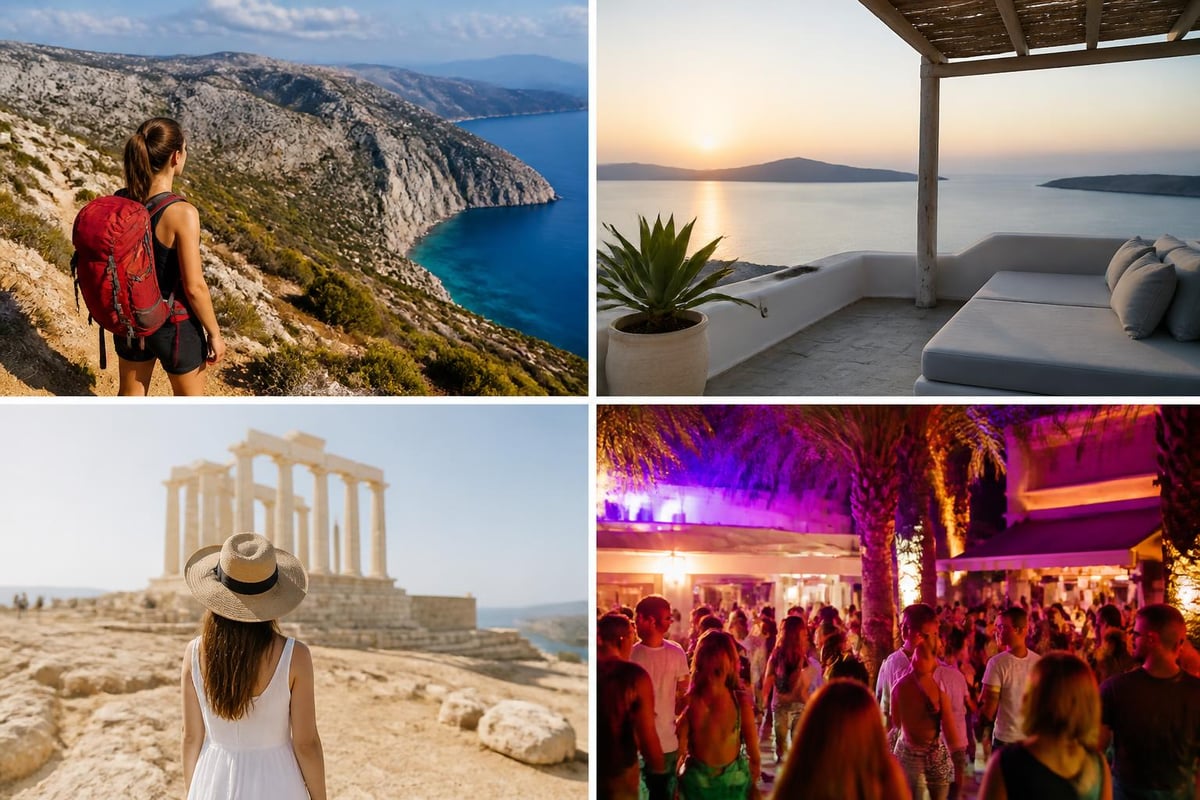
Budget considerations also influence island selection. Some islands, particularly Mykonos and Santorini during peak season, command premium prices for accommodations and dining. Lesser-known islands like Naxos, Paros, or Milos offer comparable beauty and experiences at more accessible price points. National Geographic highlights that exploring beyond the famous names often yields more authentic cultural encounters.
Best Times for Your Greek Isles Vacation
Timing your greek isles vacation correctly transforms your experience from pleasant to extraordinary. The Greek islands experience distinct seasonal patterns that affect everything from weather to crowd levels to pricing.
Peak Season Advantages and Challenges
June through August represents peak season across the Greek islands. During these months, you'll encounter:
- Guaranteed sunshine and warm swimming conditions
- Maximum ferry schedules with frequent connections
- All restaurants, shops, and tourist facilities fully operational
- Vibrant nightlife and social atmosphere
- Highest prices for accommodations and flights
- Substantial crowds at major attractions and beaches
Peak season suits travelers who prioritize perfect beach weather and don't mind sharing popular destinations with fellow tourists. Many visitors plan their greek isles vacation during these months specifically for the energetic atmosphere and social opportunities.
Shoulder Season Sweet Spots
May and September-October offer the most balanced conditions for most travelers. Spring brings wildflowers blooming across the islands, while early fall maintains warm sea temperatures from summer's heat. Shoulder season advantages include:
| Aspect | May | September-October |
|---|---|---|
| Weather | Warm days, cool evenings | Still warm, gradually cooling |
| Crowds | Moderate, increasing | Moderate, decreasing |
| Prices | 20-30% below peak | 25-35% below peak |
| Sea Temperature | Cool but swimmable | Warmest swimming |
| Ferry Schedules | Ramping up | Comprehensive but reducing |
These months provide excellent value while maintaining comfortable conditions for exploration and beach activities. Rick Steves recommends shoulder season travel for those seeking authentic experiences with fewer tourists.
Off-Season Considerations
November through March brings quiet to the islands, with many tourist facilities closing entirely. While major islands like Rhodes, Crete, and Corfu maintain year-round services, smaller islands essentially hibernate. Off-season travel suits those seeking solitude, cultural immersion with locals, and rock-bottom prices, but requires accepting limited services and unpredictable weather.
Creating Your Perfect Itinerary
Designing an effective greek isles vacation itinerary requires balancing ambition with practicality. The temptation to visit numerous islands often conflicts with the reality of ferry schedules and the value of staying longer in fewer places.
The Two-Island Foundation
First-time visitors often achieve optimal satisfaction with a two-island itinerary combined with time in Athens. This structure provides:
Days 1-3: Athens – Acclimate to Greek time, explore the Acropolis and ancient sites, enjoy authentic cuisine in Plaka, and prepare for island adventures.
Days 4-7: First Island – Select a major island like Santorini, Mykonos, or Crete that offers diverse activities and excellent infrastructure.
Days 8-11: Second Island – Choose a contrasting destination that provides different experiences from your first selection.
This pacing eliminates the stress of constant packing and ferry-catching while allowing genuine exploration of each destination. You'll have time to discover hidden beaches, dine at local tavernas away from tourist areas, and develop a feel for island rhythms.
Multi-Island Adventures
Experienced travelers or those with extended vacation time can craft more ambitious itineraries. A successful multi-island greek isles vacation follows these principles:
- Geographic clustering – Island-hop within one region rather than zigzagging across the Aegean
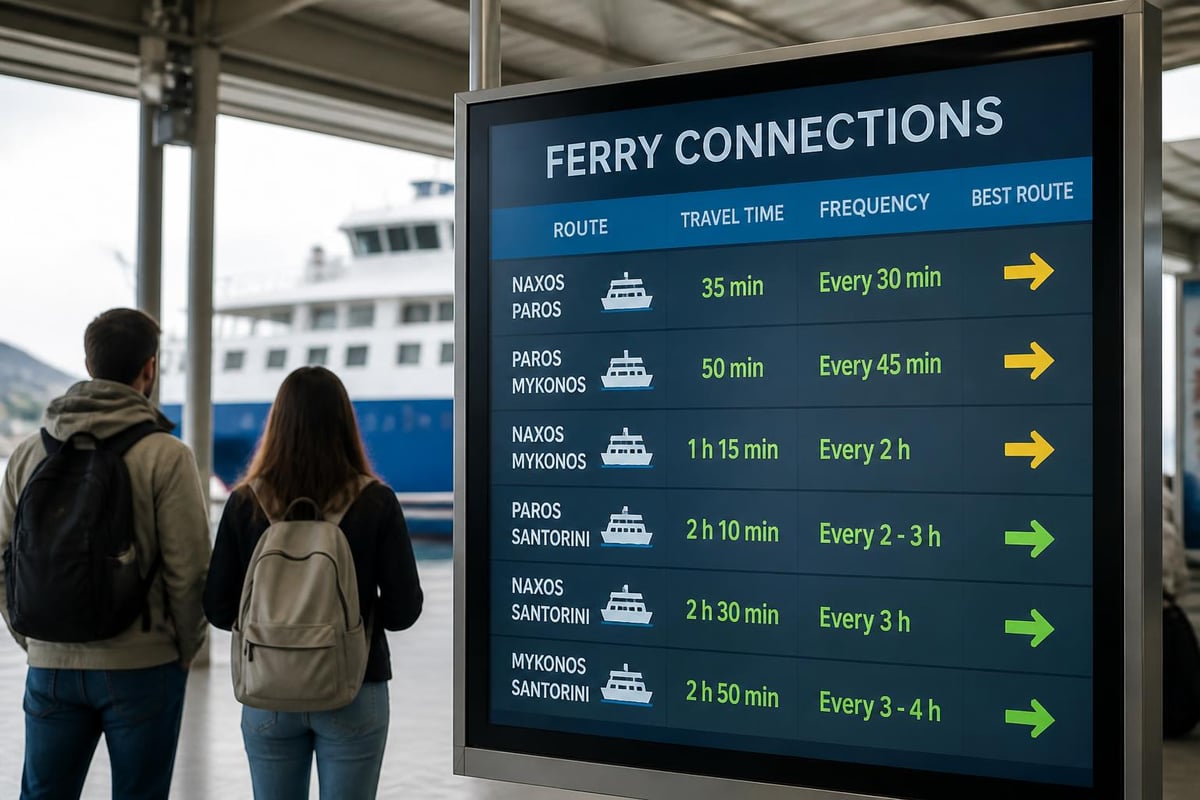
- Logical ferry routes – Research connections before finalizing your sequence
- Varying pace – Alternate active exploration days with relaxation time
- Flexibility buffer – Build extra days for weather delays or spontaneous discoveries
- Quality over quantity – Three islands thoroughly explored beats five islands rushed through
The Discoverer suggests that efficient island-hopping requires understanding ferry networks and booking accommodations that align with arrival and departure times.
Transportation Between Islands
Successfully navigating between islands represents a critical skill for any greek isles vacation. Multiple transportation options exist, each with distinct advantages and limitations.
Ferry Travel Fundamentals
Ferries serve as the primary connection method between Greek islands. Modern high-speed catamarans cover routes quickly but cost more, while traditional car ferries offer cheaper fares with longer travel times. Key ferry considerations include:
- Book popular routes in advance during peak season
- Arrive at ports early, especially with checked luggage
- Verify ferry company names carefully when booking
- Download ferry company apps for real-time updates
- Consider overnight ferries for longer distances to save accommodation costs
- Check weather forecasts, as rough seas cancel services
Ferry schedules expand significantly from May through September, then contract dramatically in winter months. Some routes between smaller islands operate only during peak summer weeks.
Alternative Transportation Methods
Flights connect major islands like Crete, Rhodes, Mykonos, and Santorini with Athens and each other. Island flights offer tremendous time savings but cost considerably more than ferries and require advance booking for reasonable fares. Budget airlines serve popular routes during summer months.
Private transfers and yacht charters provide ultimate flexibility for those with larger budgets. These options eliminate schedule dependencies and allow customized routing, but represent significant expense increases over public transportation.
Accommodation Strategies
Where you stay dramatically impacts your greek isles vacation experience and budget. Greek islands offer accommodation options ranging from budget hostels to ultra-luxury resorts, each creating different vacation experiences.
Accommodation Types and Selection
| Accommodation Type | Best For | Typical Price Range | Key Benefits |
|---|---|---|---|
| Budget Hotels/Hostels | Solo travelers, backpackers | $30-70/night | Social atmosphere, central locations |
| Mid-range Hotels | Couples, small groups | $80-200/night | Comfort, often include breakfast |
| Boutique Properties | Romance, special occasions | $200-400/night | Unique character, personalized service |
| Luxury Resorts | Honeymoons, celebrations | $400+/night | Premium amenities, stunning views |
| Vacation Rentals | Families, longer stays | $100-300/night | Space, kitchen facilities, authenticity |
Location within each island matters enormously. Staying in main towns provides convenience, nightlife access, and easy ferry connections. Village accommodations offer tranquility and authentic experiences but may require rental cars for exploring.
Booking Timing and Tips
Secure accommodations three to six months ahead for peak season travel to popular islands like Santorini and Mykonos. Lesser-known islands allow more flexibility, though waiting too long still limits choices. Professional booking strategies include:
- Read recent reviews carefully, focusing on specific details over ratings
- Verify exact locations on maps before booking
- Confirm airport/port transfer options and costs
- Check cancellation policies for weather-related flexibility
- Consider properties offering both sea views and sunset views
- Contact properties directly for potential better rates than booking platforms
Many small hotels and guesthouses provide airport or ferry port transfers, often included in your rate. Clarifying these details prevents arrival confusion and additional taxi expenses.
Cultural Experiences and Activities
A memorable greek isles vacation extends beyond beaches and sunsets to encompass the rich cultural heritage present throughout the islands. Each island group preserves distinct traditions, architectural styles, and historical narratives worth exploring.
Historical and Archaeological Sites
The Greek islands contain remarkable archaeological treasures often overshadowed by their mainland counterparts. Crete hosts the magnificent Minoan palace at Knossos, offering insights into Europe's first advanced civilization. Rhodes preserves a stunning medieval old town, a UNESCO World Heritage site showcasing Crusader-era architecture. Delos, near Mykonos, served as ancient Greece's most sacred sanctuary and contains extensive ruins across an entire uninhabited island.
Lesser-known historical experiences include Byzantine monasteries perched on Patmos cliffs, Venetian fortresses throughout the Ionian Islands, and countless small archaeological sites accessible to curious explorers. Many islands feature excellent local museums that contextualize the ruins you'll encounter.
Culinary Adventures
Greek island cuisine deserves equal billing with archaeological wonders on any greek isles vacation. Each island produces distinctive specialties based on local ingredients and historical influences. Santorini's volcanic soil yields remarkable tomatoes, capers, and white eggplants featured in traditional dishes. Crete's culinary tradition ranks among Greece's most sophisticated, with unique cheeses, herbs, and cooking techniques.
Participating in cooking classes, visiting local markets, and dining at family-run tavernas provides authentic cultural connection. Many islands now offer farm-to-table experiences, vineyard tours, and olive oil tastings that showcase regional agricultural traditions. Avoiding obvious tourist restaurants in favor of establishments frequented by locals dramatically improves both food quality and cultural authenticity.
Practical Planning Essentials
Successfully executing your greek isles vacation requires attention to numerous practical details that smooth your journey and prevent common complications.
Budget Planning and Money Matters
Greek islands accept euros, with most establishments accepting credit cards in tourist areas. However, small tavernas, beach bars, and local shops often prefer cash. ATMs exist on all inhabited islands, though smaller islands may have limited machines that occasionally run empty during peak season.
Realistic daily budgets (per person, excluding accommodation):
- Budget travel: $50-80 (local restaurants, public beaches, limited activities)
- Mid-range travel: $100-150 (mix of experiences, occasional splurges)
- Luxury travel: $200+ (fine dining, private experiences, premium services)
Ferry costs typically range from $30-80 per person depending on distance and vessel type. Internal flights cost $60-150 when booked in advance. Rental cars run $30-60 daily for standard vehicles, essential on larger islands but unnecessary on compact destinations.
Packing Recommendations
Greek island packing requires balancing beach vacation essentials with practical considerations for historical site visits and evening activities:
- Sun protection: High-SPF sunscreen, wide-brimmed hat, quality sunglasses
- Footwear: Comfortable walking shoes for archaeological sites, sandals for beaches, dressier options for evenings
- Clothing: Light layers for varying temperatures, modest options for monastery visits, swimwear
- Practical items: Reusable water bottle, day pack, adapter plugs (European standard), basic first aid supplies
- Technology: Unlocked phone for local SIM cards, portable charger, waterproof phone case
Many travelers overpack for greek isles vacations. Islands offer shops for forgotten essentials, and laundry services exist throughout tourist areas. Packing light facilitates easier ferry transfers and accommodation mobility.
Health and Safety Considerations
The Greek islands maintain excellent safety records with low crime rates and good medical facilities on major islands. Health precautions include:
- Verify travel insurance covers medical evacuation from islands
- Bring prescription medications in original containers with extra supply
- Protect against sun exposure and dehydration
- Wear appropriate footwear for uneven archaeological site surfaces
- Exercise caution with powerful Aegean currents when swimming
- Check European Health Insurance Card validity for EU citizens
Pharmacies throughout the islands provide knowledgeable assistance for minor health issues, though language barriers may exist on smaller islands.
Sustainable and Responsible Tourism
As greek isles vacation popularity continues growing, sustainable tourism practices become increasingly important for preserving these fragile island ecosystems and traditional cultures.
Environmental Consciousness
Greek islands face significant environmental pressures from tourism, particularly water scarcity and waste management challenges. Responsible travelers can minimize their impact through:
- Choosing accommodations with environmental certifications
- Conserving water in drought-prone destinations
- Avoiding single-use plastics by carrying reusable bottles and bags
- Respecting protected areas and staying on designated paths
- Supporting local businesses over international chains
- Participating in beach cleanup activities when available
Rick Steves emphasizes that sustainable tourism ensures these magnificent destinations remain viable for future generations while supporting local communities year-round rather than just during peak season.
Cultural Sensitivity
Respecting Greek island traditions and customs enriches your experience while supporting cultural preservation. Key cultural considerations include:
- Dress modestly when visiting churches and monasteries (covered shoulders and knees)
- Learn basic Greek phrases showing respect for local language
- Ask permission before photographing people, especially elderly islanders
- Support traditional artisans purchasing authentic local crafts
- Respect siesta hours (typically 2-5 PM) when many businesses close
- Dine at traditional tavernas serving local specialties
Greek islanders generally welcome tourists warmly while appreciating visitors who show genuine interest in their culture beyond superficial tourism experiences.
The Greek islands offer unparalleled vacation experiences combining natural beauty, rich history, and warm hospitality across diverse destinations. Whether you're drawn to iconic Cycladic architecture, secluded beaches, ancient ruins, or vibrant island culture, careful planning ensures your journey exceeds expectations. Hellenic Holidays specializes in crafting personalized Greek island itineraries that match your interests, timeline, and budget, handling all logistics while incorporating insider knowledge that transforms good vacations into extraordinary adventures.