
Halkidiki: Greece’s Three-Fingered Paradise
Nestled in the northern reaches of Greece, Halkidiki stands as one of the Mediterranean's most captivating yet surprisingly underexplored destinations. This trident-shaped peninsula extends into the crystalline waters of the Aegean Sea, offering travelers a remarkable blend of pristine beaches, ancient history, and authentic Greek culture far removed from the crowds of more famous islands. For those seeking a tailor-made Greek vacation that combines relaxation, exploration, and cultural immersion, Halkidiki presents an extraordinary canvas upon which to design the perfect journey. The region's three distinctive peninsulas-Kassandra, Sithonia, and Athos-each offer unique experiences that cater to different travel styles and preferences.
Understanding Halkidiki's Unique Geography
The distinctive three-fingered shape of Halkidiki creates a geographic marvel unlike anywhere else in Greece. Each peninsula extends southward into the Aegean, creating hundreds of miles of varied coastline with countless beaches, hidden coves, and crystal-clear waters.
Kassandra Peninsula serves as the westernmost finger and the most developed of the three. This area attracts visitors seeking vibrant nightlife, organized beaches, and modern amenities while still maintaining connection to traditional Greek village life. The peninsula stretches approximately 50 kilometers in length and features both cosmopolitan resort towns and quieter fishing villages.
The central Sithonia Peninsula offers a more serene alternative, characterized by unspoiled natural beauty and traditional settlements. Dense pine forests cascade down mountainsides to meet turquoise waters, creating dramatic landscapes that photography enthusiasts particularly appreciate. This peninsula remains less commercially developed, preserving an authentic atmosphere that appeals to travelers seeking tranquility.
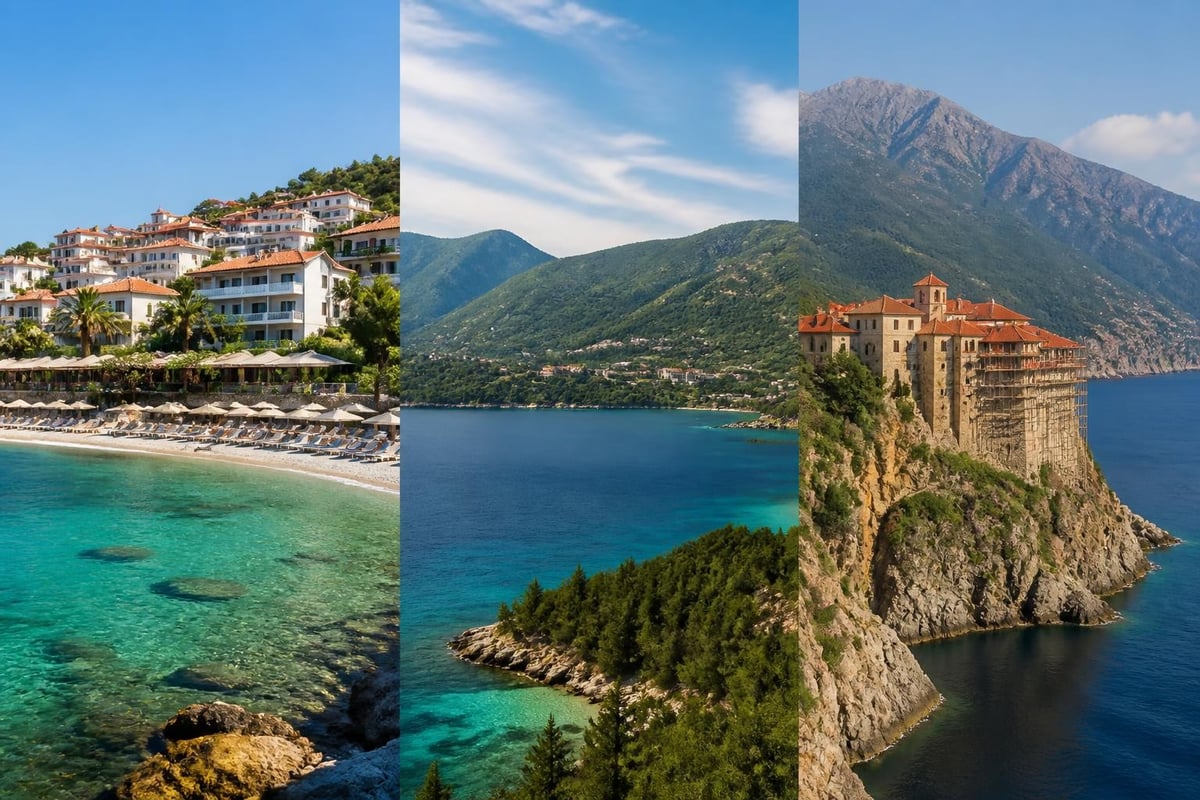
Mount Athos, the easternmost peninsula, stands apart as a unique spiritual destination. This autonomous monastic state houses twenty Eastern Orthodox monasteries and maintains centuries-old traditions. Access remains restricted, with special permits required and no female visitors allowed according to ancient regulations that have governed the territory for over a millennium.
The geography and natural beauty of Halkidiki create microclimates across the region, resulting in diverse vegetation and environmental conditions within relatively short distances.
Beach Culture and Coastal Excellence
Halkidiki's coastline encompasses over 500 kilometers of beaches, ranging from organized resort areas with full amenities to secluded pebble coves accessible only by boat or hiking trails. This variety ensures every type of beach lover finds their ideal spot.
Premier Beach Destinations
| Beach Name | Peninsula | Characteristics | Best For |
|---|---|---|---|
| Sani Beach | Kassandra | Organized, golden sand, shallow waters | Families, water sports |
| Kavourotripes | Sithonia | Exotic rock formations, turquoise water | Photography, snorkeling |
| Toroni | Sithonia | Long sandy stretch, ancient ruins | History enthusiasts, swimming |
| Possidi Cape | Kassandra | Natural lighthouse, unique tidal patterns | Nature lovers, sunset viewing |
| Karidi | Sithonia | Pine forest backdrop, white pebbles | Couples, tranquility seekers |
The Kassandra Peninsula beaches typically feature more infrastructure and water sports facilities. Popular spots like Kallithea and Pefkohori offer beach bars, sunbed rentals, and organized activities perfect for families and social travelers.
In contrast, Sithonia's beaches maintain a more natural character. Beaches such as Kalamitsi, Kriaritsi, and Armenistis provide stunning beauty without extensive commercial development. Many remain accessible via unpaved roads, adding to their unspoiled appeal.
Water clarity throughout Halkidiki consistently ranks among the Mediterranean's finest. The combination of rocky seabeds, limited industrial development, and protected marine areas creates visibility often exceeding 30 meters, making the region exceptional for snorkeling and diving activities.
Cultural Heritage and Historical Significance
Beyond beaches, Halkidiki possesses a rich cultural heritage spanning 3,000 years. The region played crucial roles in ancient Greek history and continues preserving traditions that offer insight into authentic Hellenic culture.
Archaeological Treasures
Olynthos represents one of northern Greece's most significant archaeological sites. This ancient city showcases remarkable urban planning from the 5th century BCE, with visible remains of houses, streets, and public buildings. The site's mosaics demonstrate sophisticated artistic techniques from the classical period.
Stagira, birthplace of Aristotle, offers another compelling historical destination. The ancient city sits atop hills overlooking the sea, with remains including fortification walls, houses, and public structures. A modern sculpture park nearby honors the philosopher's contributions to Western thought.
The Petralona Cave combines natural wonder with anthropological significance. Discovered in 1959, this cave contained the famous Petralona skull, believed to be approximately 700,000 years old, alongside stone tools and animal fossils that illuminate prehistoric human presence in the region.
Byzantine and Religious Heritage
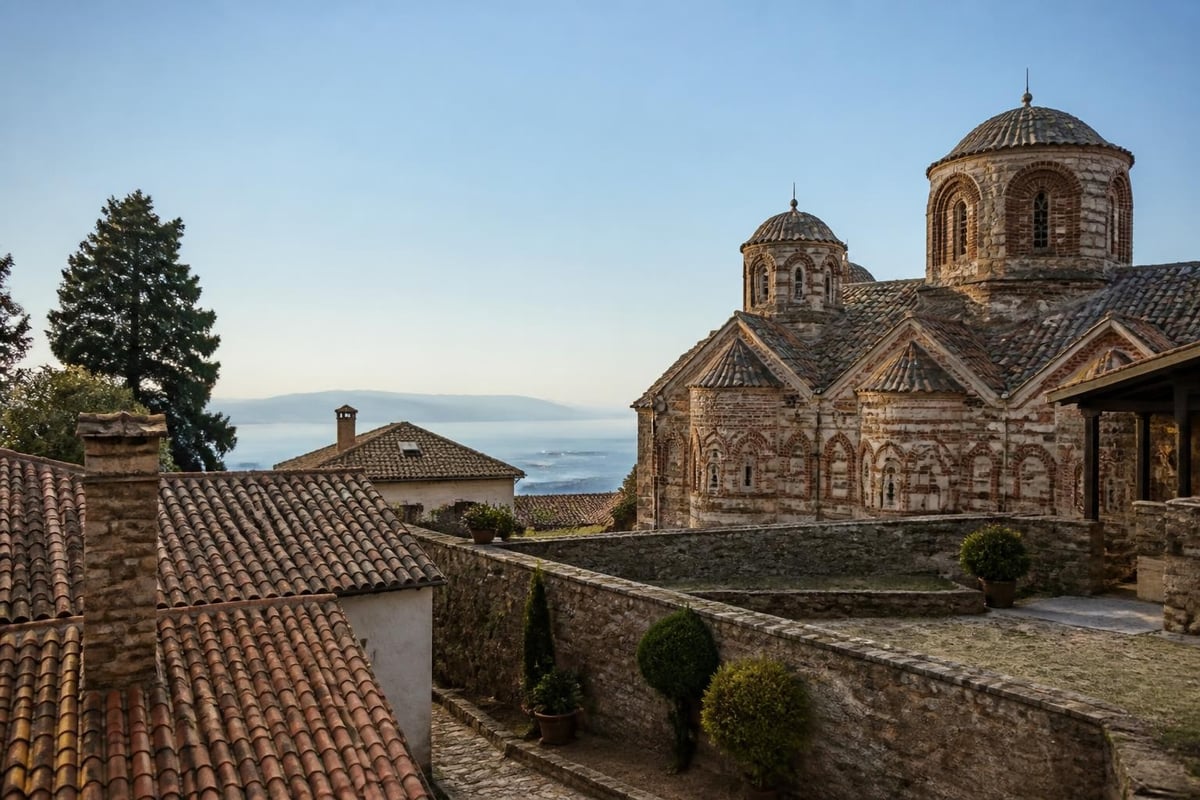
The Peninsula of Mount Athos stands as Halkidiki's most profound cultural treasure. This monastic community, established in the 10th century, maintains unbroken spiritual traditions spanning over a millennium. Twenty monasteries house approximately 2,000 monks who preserve Byzantine artistic traditions, rare manuscripts, and religious artifacts of immeasurable cultural value.
While Mount Athos itself restricts access, nearby Ouranoupoli serves as the gateway town where visitors can appreciate the peninsula's architectural beauty from boat tours circling its coastline. The town's Byzantine tower and museums provide context for understanding this unique spiritual community.
Traditional Villages and Authentic Experiences
Exploring Halkidiki’s traditional villages reveals the region's soul beyond coastal attractions. These settlements preserve architectural styles, culinary traditions, and daily rhythms that connect visitors to authentic Greek mountain culture.
Arnea exemplifies traditional Macedonian village architecture with stone houses, cobblestone streets, and artisan workshops. The village maintains reputation for carpet weaving, with local craftspeople continuing techniques passed through generations. Weekly markets offer opportunities to purchase handmade textiles, honey, and regional products.
Afitos perches on clifftops above the Toroneos Gulf, offering spectacular sunset views alongside preserved traditional architecture. Stone mansions from wealthy merchant families line narrow streets, while the village square hosts traditional tavernas serving recipes unchanged for decades.
In Nikiti, visitors encounter dual character-an old hillside village preserving traditional architecture and a modern coastal section with contemporary amenities. This combination allows experiencing both authentic village life and beach convenience within the same destination.
Culinary Traditions
Halkidiki's cuisine reflects its geographic position and agricultural abundance:
- Honey production: Mountain villages produce exceptional honey varieties, particularly thyme and pine honey with distinctive regional characteristics
- Olive oil: Ancient olive groves across all three peninsulas yield high-quality extra virgin olive oil recognized throughout Greece
- Seafood specialties: Fresh fish, octopus, and shellfish prepared using traditional recipes passed through fishing families
- Mountain greens: Wild greens (horta) harvested from hillsides feature in pies and salads, offering nutritional and flavorful traditional dishes
- Local wines: Small vineyards produce regional wines, particularly from Limnio grapes indigenous to the area
Outdoor Activities and Natural Exploration
The varied terrain throughout Halkidiki creates exceptional opportunities for active travelers seeking experiences beyond beach relaxation. Mountains, forests, and coastlines combine to offer diverse adventure options.
Hiking and Nature Trails
Mount Holomontas provides the region's primary mountain hiking destination. Trails wind through dense forests of oak, chestnut, and pine, reaching elevations over 1,100 meters. Spring hiking reveals wildflowers carpeting meadows, while autumn brings spectacular foliage color changes.
Coastal paths, particularly along Sithonia, connect beaches through scenic routes hugging cliffsides and passing through pine forests. These trails offer swimming opportunities at multiple points, combining hiking with beach exploration.
The Mavrobara Lake area near Arnea presents wetland ecosystems supporting diverse bird populations. Birdwatchers document various species, including seasonal migrants using the area as a stopover point.
Water Sports and Marine Activities
| Activity | Best Locations | Season | Skill Level |
|---|---|---|---|
| Sailing | Toroneos Gulf, Sithonia coast | May-October | All levels |
| Windsurfing | Possidi, Kallithea | June-September | Intermediate+ |
| Kayaking | Sithonia coves, Vourvourou | May-October | Beginner-friendly |
| Scuba diving | Nea Fokea, Porto Koufo | May-October | Certified divers |
| Stand-up paddleboarding | Calm bay beaches | May-September | All levels |
Porto Koufo on southern Sithonia offers Greece's largest natural harbor and exceptional diving conditions. The protected bay creates calm waters ideal for exploration of underwater rock formations and marine life.
Planning Your Halkidiki Journey
Successful travel to Halkidiki requires understanding seasonal variations, transportation logistics, and accommodation options that align with your travel style and preferences.
Optimal Visiting Periods
June and September represent ideal months for balanced experiences. Weather remains warm and sunny, water temperatures stay comfortable for swimming, yet tourist crowds decrease compared to peak summer. Accommodation rates typically offer better value during these shoulder season periods.
July and August bring peak season conditions with guaranteed sunshine, warmest water temperatures, and full operation of all facilities and services. However, popular beaches experience higher density, and advance reservations become essential for preferred accommodations.
Spring (April-May) appeals to nature enthusiasts, with wildflowers blooming across hillsides and comfortable temperatures for hiking and village exploration. Some beach facilities may operate limited hours, but hotel rates remain significantly lower.
Transportation Considerations

Thessaloniki Airport serves as the primary gateway, located approximately 80 kilometers from Kassandra's entrance. Rental cars provide maximum flexibility for exploring multiple peninsulas and reaching secluded beaches. The road network throughout Halkidiki maintains good condition, with clear signage in Greek and English.
Local bus services connect major towns and villages, though schedules reduce during off-peak seasons. For travelers without rental vehicles, private transfers or organized excursions provide practical alternatives for reaching specific destinations.
Accommodation Diversity
Halkidiki offers remarkable accommodation variety:
- Luxury resorts: Full-service properties with multiple restaurants, spas, and organized activities, particularly concentrated in Kassandra
- Boutique hotels: Smaller properties emphasizing personalized service and design aesthetics, increasingly available across all peninsulas
- Traditional guesthouses: Family-run establishments in mountain villages offering authentic hospitality and home-cooked meals
- Seaside apartments: Self-catering options ideal for longer stays and families, prevalent in coastal towns
- Camping facilities: Organized campgrounds near beaches for budget travelers and nature enthusiasts
Crafting Personalized Halkidiki Itineraries
The region's diversity enables creating tailored experiences matching specific interests and travel preferences. Understanding how to combine different areas maximizes the Halkidiki experience.
Multi-Peninsula Exploration
Travelers with 7-10 days can meaningfully experience multiple peninsulas. A balanced itinerary might allocate three days to Kassandra for organized beach amenities and nightlife, four days to Sithonia for nature and tranquility, and one day for Mount Athos appreciation from Ouranoupoli.
Peninsula-hopping strategies work best when understanding distances and character differences. Kassandra's southern tip sits approximately 90 kilometers from Sithonia's southern reaches, with the journey requiring 90-120 minutes depending on route and stops.
Thematic Travel Approaches
History and culture focused: Combine archaeological sites (Olynthos, Stagira), Byzantine towers, traditional villages (Arnea, Afitos), and Mount Athos observation for comprehensive cultural immersion.
Beach and relaxation centered: Select one peninsula as a base, exploring various beaches to find preferred atmospheres. Sithonia offers greatest beach diversity within compact areas, while Kassandra provides more organized amenities.
Active and adventure oriented: Focus on Sithonia for hiking, water sports, and nature exploration, with accommodations in central locations like Vourvourou or Sarti enabling daily adventures to different areas.
The comprehensive attractions across Halkidiki support various travel styles, whether seeking romantic escapes, family adventures, or solo exploration journeys.
Sustainable Tourism and Local Connection
Responsible travel in Halkidiki enhances both visitor experiences and community benefits. The region's relative lack of mass tourism compared to Greek islands creates opportunities for meaningful local interactions and environmental preservation.
Supporting local businesses-family tavernas, traditional workshops, small accommodations-directly contributes to community sustainability. Many villages maintain crafts traditions threatened by modern economic pressures, and visitor interest helps preserve these cultural practices.
Environmental considerations include respecting protected marine areas, properly disposing of waste even at remote beaches, and choosing tour operators demonstrating ecological awareness. Several organizations work to preserve Halkidiki's natural beauty, and conscious travelers contribute to these conservation efforts.
Seasonal employment dominates the local economy, with many residents depending on tourism income concentrated in summer months. Shoulder-season travel helps distribute economic benefits across longer periods while reducing environmental pressure during peak periods.
Halkidiki Beyond Summer
While primarily known as a summer destination, Halkidiki offers appealing experiences during cooler months for travelers with specific interests.
Autumn (October-November) brings harvest seasons, with olive picking, wine production, and honey harvesting creating agricultural tourism opportunities. Temperatures remain pleasant for hiking and village exploration, while accommodation rates drop significantly.
Winter appeals to those seeking complete tranquility and authentic local life without tourism influence. Mountain villages maintain traditional rhythms, and coastal towns reveal their year-round character. Though swimming becomes impractical, the dramatic beauty of empty beaches and stormy seas creates atmospheric experiences.
Spring festivals throughout villages celebrate religious holidays with traditional processions, music, and communal feasting. Easter celebrations, following the Greek Orthodox calendar, showcase local customs and hospitality traditions rarely witnessed by summer visitors.
Halkidiki represents an exceptional destination where natural beauty, cultural depth, and authentic Greek experiences converge across three distinctive peninsulas. Whether drawn to pristine beaches, ancient history, traditional mountain villages, or outdoor adventures, this northern Greek region offers remarkable diversity within a relatively compact area. For travelers seeking a personalized Greek vacation beyond the well-trodden island circuits, Hellenic Holidays specializes in crafting tailor-made itineraries that unlock Halkidiki's full potential, combining the region's highlights with insider knowledge to create journeys matching your unique interests and travel style.