
Crete: Greece’s Largest Island and Cultural Treasure
Crete stands as Greece's largest and most diverse island, offering travelers a captivating blend of ancient history, dramatic landscapes, and authentic Mediterranean culture. Stretching across the southern Aegean Sea, this remarkable destination has served as a crossroads of civilizations for millennia, from the legendary Minoan culture to Venetian merchants and beyond. Modern visitors to Crete discover an island where archaeological wonders sit alongside pristine beaches, where mountain villages preserve centuries-old traditions, and where culinary experiences reflect the island's fertile lands and surrounding seas. For those seeking a Greek vacation that combines cultural depth with natural beauty, Crete presents opportunities that few destinations can match.
The Minoan Legacy: Europe's First Advanced Civilization
Crete holds a unique position in European history as the birthplace of the Minoan civilization, which flourished from approximately 2700 to 1450 BCE. This Bronze Age culture developed sophisticated palace complexes, advanced maritime trade networks, and artistic achievements that continue to astound archaeologists and visitors alike.
Knossos Palace and Archaeological Wonders
The Palace of Knossos, located just south of modern Heraklion, stands as the most significant Minoan site on Crete. This sprawling complex once served as the administrative and ceremonial center of Minoan culture, featuring elaborate frescoes, advanced plumbing systems, and architectural innovations that demonstrate remarkable engineering knowledge.
Recent archaeological discoveries in Crete continue to reshape our understanding of Minoan society, revealing new insights into daily life, religious practices, and the civilization's eventual decline. These findings underscore the island's importance as a living archaeological laboratory where new excavations regularly uncover artifacts that rewrite ancient Mediterranean history.
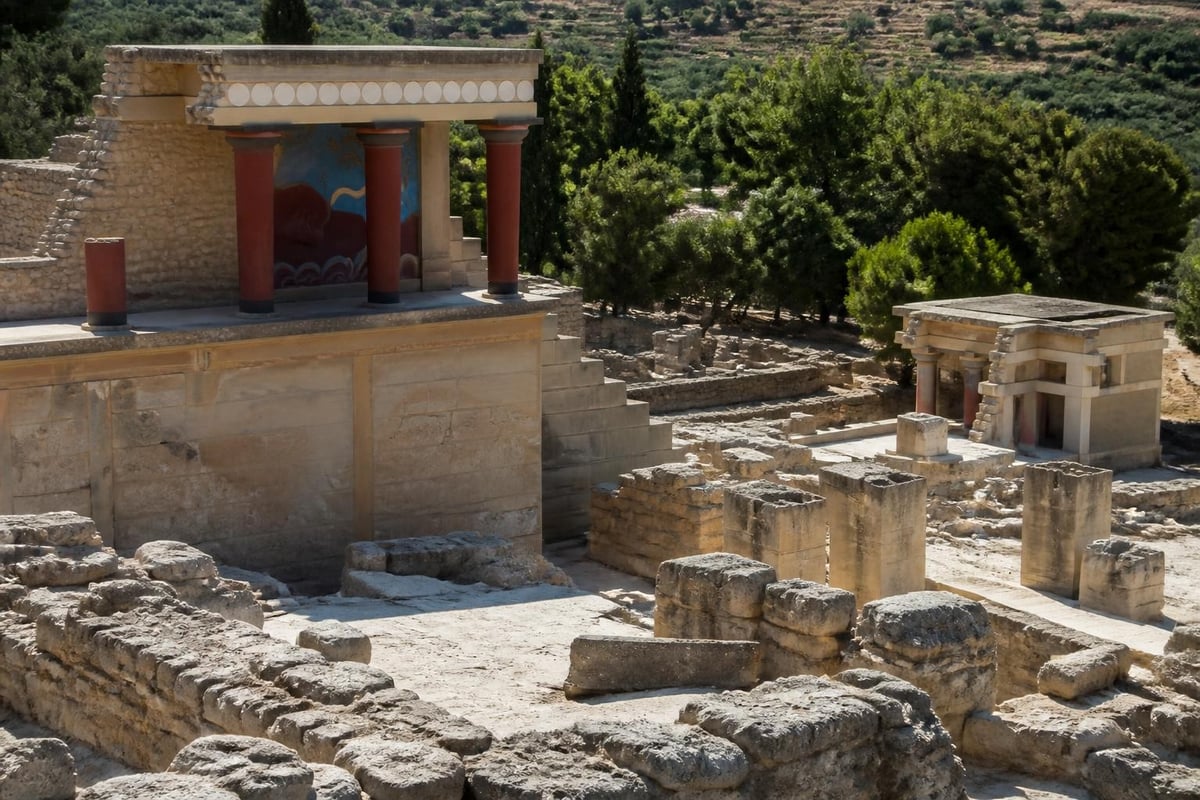
Beyond Knossos, Crete hosts several other significant Minoan sites:
- Phaistos – A palace complex in the Mesara Plain with stunning views of Mount Ida
- Malia – An important administrative center featuring well-preserved storage magazines
- Zakros – An eastern palace site that reveals Minoan connections with Egypt and the Near East
- Gournia – A complete Minoan town offering insights into everyday life
Understanding Ancient Cretan Populations
Research into ancient DNA from the prehistoric Aegean has revealed fascinating details about the origins and connections of Cretan populations during the Bronze Age. These genetic studies demonstrate that Minoans shared ancestry with earlier Neolithic populations while maintaining distinct cultural identities that set them apart from contemporary civilizations.
Scientific investigations using isotopes and ancient DNA have also uncovered evidence of human mobility and trade networks across Bronze Age Crete, showing how the island served as a hub for cultural exchange throughout the Mediterranean world. These findings help travelers appreciate the deep historical currents that have shaped the island's character.
Geographic Diversity Across Four Distinct Regions
Crete's impressive size-approximately 160 miles from east to west-creates distinct regional identities that offer varied experiences for visitors. Each prefecture possesses unique landscapes, cultural traditions, and attractions worth exploring.
| Region | Capital | Notable Features | Best For |
|---|---|---|---|
| Chania | Chania Town | Venetian harbor, Samaria Gorge, White Mountains | History, hiking, beaches |
| Rethymno | Rethymno Town | Fortezza fortress, traditional villages, Mount Ida | Culture, mountain villages |
| Heraklion | Heraklion City | Knossos, museums, urban culture, central location | Archaeology, nightlife |
| Lasithi | Agios Nikolaos | Spinalonga island, palm forest of Vai, eastern beaches | Secluded beaches, nature |
Western Crete: Mountains and Gorges
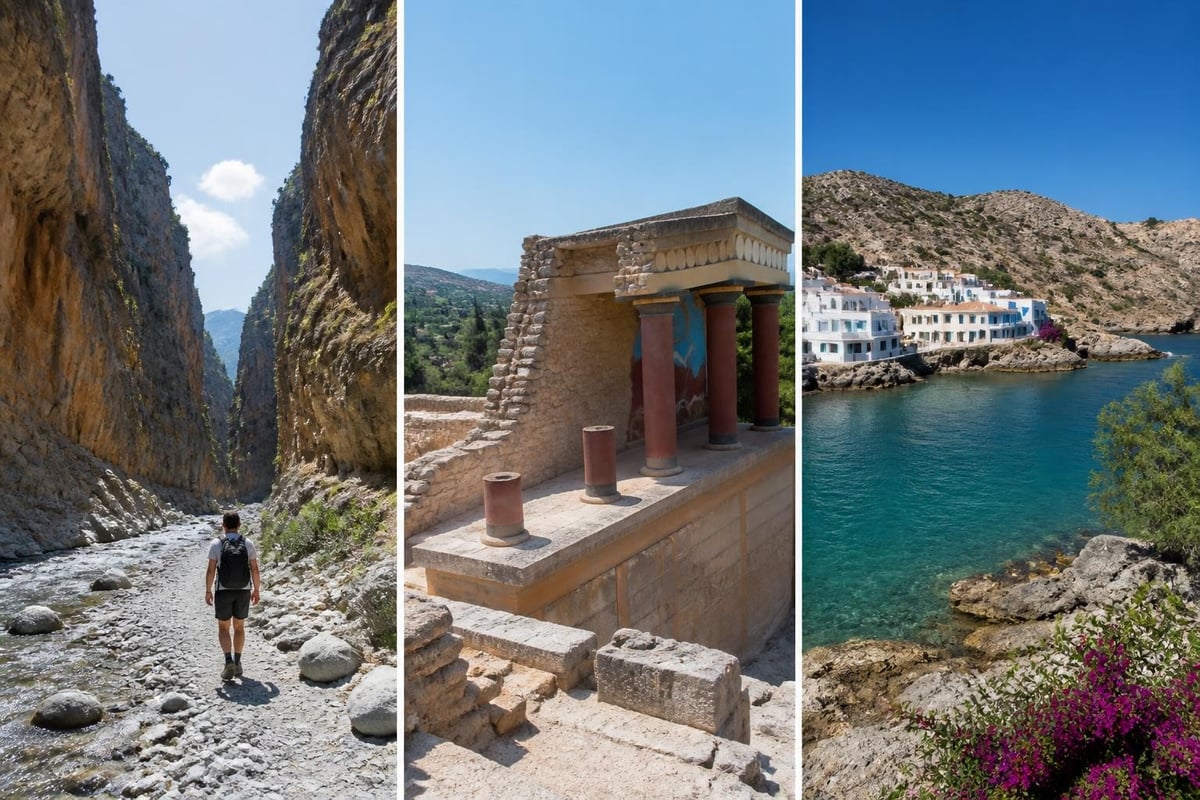
The western region of Crete showcases some of Greece's most dramatic natural landscapes. The White Mountains (Lefka Ori) dominate this area, creating opportunities for serious hikers and nature enthusiasts. The famous Samaria Gorge, part of the UNESCO-recognized national park system, offers a challenging 10-mile descent through towering rock walls.
Chania, the regional capital, preserves one of the Mediterranean's most beautiful Venetian harbors, where centuries-old buildings house modern tavernas, boutique hotels, and artisan workshops. The city's multicultural heritage reflects periods of Byzantine, Venetian, and Ottoman rule, visible in its architecture and cultural traditions.
Central Crete: Cultural Heart
Heraklion prefecture serves as Crete's administrative and economic center while hosting the island's most significant archaeological treasures. Beyond Knossos, the Heraklion Archaeological Museum displays an unparalleled collection of Minoan artifacts, providing context for understanding ancient Cretan civilization.
Mount Ida (Psiloritis), Crete's highest peak at 8,058 feet, anchors the central region. According to Greek mythology, Zeus was born in a cave on this mountain, connecting modern Crete to its mythological past.
Eastern Crete: Secluded Beauty
The Lasithi region offers travelers seeking less crowded experiences a chance to explore Crete's quieter side. The palm forest at Vai, Europe's largest natural palm grove, creates an exotic landscape unique on the island. The historic island of Spinalonga, once a Venetian fortress and later a leper colony, tells compelling stories of isolation and resilience.
Natural Wonders and Protected Landscapes
Crete's biodiversity reflects its position as a Mediterranean crossroads, hosting endemic species found nowhere else on Earth. The island's varied elevations-from sea level to over 8,000 feet-create multiple ecological zones supporting distinct plant and animal communities.
Mountains, Gorges, and Plateaus
Three major mountain ranges traverse Crete from west to east, creating the island's distinctive spine. These mountains capture weather systems moving across the Mediterranean, resulting in varied microclimates that support everything from alpine meadows to coastal scrubland.
Notable natural features include:
- Samaria Gorge – Europe's longest gorge and a premier hiking destination
- Imbros Gorge – A more accessible alternative with stunning rock formations
- Lasithi Plateau – A fertile high-altitude plain dotted with traditional windmills
- Kourtaliotiko Gorge – Known for dramatic rock faces and waterfalls
Coastal Environments and Marine Life
Crete's coastline extends for over 650 miles, encompassing everything from sandy beaches to dramatic cliffs. The island's southern coast, facing the Libyan Sea, features some of Europe's most remote and pristine beaches, accessible only by boat or challenging hikes.
The comprehensive travel guide to Crete highlights exceptional coastal destinations including Elafonisi, where pink sand meets crystal-clear waters, and Balos Lagoon, a protected area where three seas converge to create stunning color gradients.
Conservation and Protected Areas
Environmental protection has become increasingly important as Crete balances tourism development with ecological preservation. The island hosts multiple Natura 2000 sites, part of the European Union’s network of protected habitats designed to conserve biodiversity across member states.
These protected areas safeguard:
- Endemic plant species found only in Cretan mountains
- Nesting sites for loggerhead sea turtles (Caretta caretta)
- Critical habitats for rare birds of prey including Bonelli's eagles
- Mediterranean monk seal populations in coastal caves
Authentic Cretan Culture and Traditions
Despite welcoming millions of visitors annually, Crete maintains strong connections to traditional culture. Mountain villages throughout the island preserve customs, music, and crafts that have been passed down through generations.
Culinary Heritage
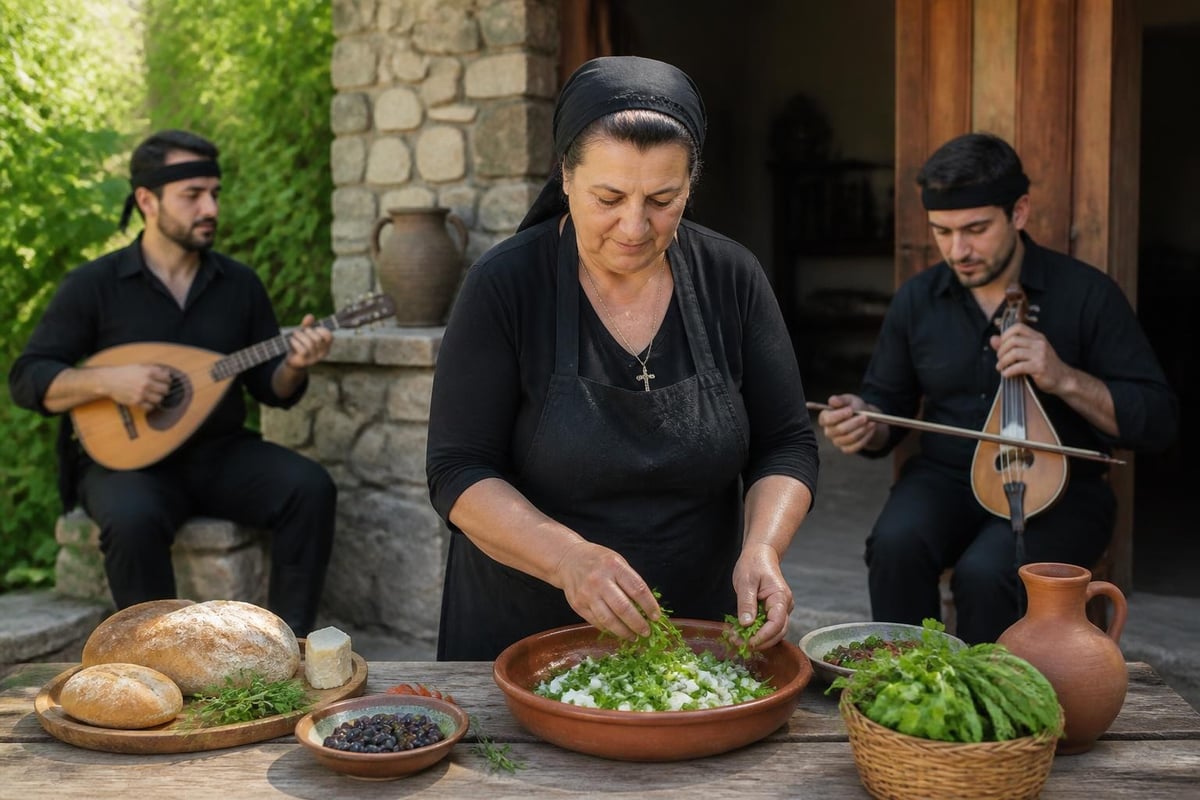
Cretan cuisine exemplifies the Mediterranean diet in its most authentic form. The island's agricultural abundance-olive oil, fresh vegetables, wild greens, aromatic herbs, and locally raised meats-creates a food culture renowned for both flavor and health benefits.
Traditional dishes reflect the island's history and geography:
- Dakos – Barley rusk topped with tomatoes, feta, and olive oil
- Kalitsounia – Sweet or savory cheese pies specific to different regions
- Antikristo – Lamb cooked traditionally around an open fire
- Staka – A unique Cretan cream used in various dishes
Music and Dance
Cretan music, centered around the lyra (a three-stringed bowed instrument) and laouto (similar to a lute), creates soundscapes distinctly different from mainland Greek traditions. Villages throughout the island host festivals where traditional dances like the pentozali bring communities together in celebration.
Village Life and Craftsmanship
Mountain villages across Crete continue traditional crafts including:
Weaving and Textiles
- Hand-woven fabrics using centuries-old patterns
- Natural dyes derived from local plants
- Embroidery techniques passed through families
Pottery and Ceramics
- Traditional pithos (storage jar) production
- Decorative pieces incorporating Minoan-inspired designs
- Functional cookware for traditional recipes
Woodworking and Basketry
- Handcrafted furniture using local materials
- Woven baskets for olive harvesting and storage
- Decorative items reflecting pastoral traditions
Planning Your Crete Experience
The island's size and diversity require thoughtful planning to maximize your experience. Different seasons offer distinct advantages depending on your interests and preferences.
Seasonal Considerations
Spring (April-May)
- Wildflowers cover mountains and valleys
- Ideal temperatures for hiking and exploration
- Fewer crowds at archaeological sites
- Traditional Easter celebrations in villages
Summer (June-September)
- Peak beach season with warmest water temperatures
- Extended daylight hours for sightseeing
- Cultural festivals and village celebrations
- Higher accommodation prices and larger crowds
Autumn (October-November)
- Harvest season showcasing agricultural traditions
- Comfortable temperatures for outdoor activities
- Wine and olive oil production to observe
- Reduced tourism creating more authentic interactions
Winter (December-March)
- Snow on mountains creating dramatic landscapes
- Lowest prices and fewest tourists
- Focus on cultural experiences and local life
- Some mountain roads and sites closed seasonally
Transportation and Logistics
Navigating Crete requires planning due to the island's mountainous terrain and the distances between major attractions. Most visitors find that renting a vehicle provides the flexibility needed to explore beyond coastal resort areas.
Key transportation considerations include:
- International airports in Heraklion and Chania serve major European cities
- Rental cars offer the greatest freedom but require comfort with mountain driving
- Local buses (KTEL) connect major towns affordably but with limited schedules
- Organized tours work well for specific destinations like Samaria Gorge
- Ferries provide scenic connections to nearby islands
Accommodation Strategies
Crete offers accommodation options ranging from luxury resorts to family-run guesthouses in mountain villages. Your choice of base significantly impacts the type of experiences you'll have.
| Accommodation Type | Best For | Location Examples | Advantages |
|---|---|---|---|
| Beach Resorts | Relaxation, water sports | Elounda, Agia Pelagia | Full amenities, organized activities |
| Historic Hotels | Cultural immersion | Chania Old Town, Rethymno | Atmospheric settings, walkable locations |
| Village Guesthouses | Authentic experiences | Archanes, Zaros | Local interaction, traditional hospitality |
| Villa Rentals | Families, groups | Various regions | Privacy, self-catering options |
Crafting Multi-Region Itineraries
Experiencing Crete's diversity often requires visiting multiple regions during a single trip. Strategic planning allows you to combine archaeological sites, natural wonders, beaches, and cultural experiences without excessive driving.
Sample regional combinations:
- West and Central – Chania's Venetian harbor, Samaria Gorge, Knossos, Heraklion museums
- Central and East – Archaeological sites, Mount Ida villages, Lasithi Plateau, Vai palm forest
- Complete Island – Week-long itinerary covering all four prefectures with carefully selected highlights
Cultural Events and Local Festivals
Throughout the year, Crete hosts celebrations that reveal the island's living traditions. These events provide opportunities to experience authentic culture beyond typical tourist activities.
Religious Celebrations
Orthodox Christianity deeply influences Cretan culture, with religious festivals marking important dates in the calendar. Easter celebrations across the island feature unique local customs, from the burning of Judas effigies to late-night church services and traditional feasts.
Name day celebrations (saints' days) in villages often welcome visitors to join communal meals and festivities, offering genuine cultural exchange opportunities.
Agricultural and Harvest Festivals
The island's agricultural heritage comes alive during harvest celebrations:
- Olive oil festivals in autumn showcase pressing techniques and tastings
- Wine festivals celebrate Crete's growing reputation for quality vintages
- Chestnut festivals in mountain villages during late autumn
- Honey celebrations highlighting traditional beekeeping practices
Cultural Summer Programs
Major cities host cultural programs during summer months featuring:
- Theater performances in historic venues
- Traditional music concerts in atmospheric settings
- Art exhibitions showcasing Cretan and international artists
- Film festivals celebrating Greek and Mediterranean cinema
Specialized Interests and Activities
Beyond standard sightseeing, Crete accommodates travelers with specific interests, from serious hikers to history enthusiasts to wellness seekers.
Hiking and Outdoor Adventures
Crete ranks among Europe's premier hiking destinations, with routes ranging from coastal walks to multi-day mountain treks. The E4 European Long Distance Path crosses the entire island, offering committed hikers an unforgettable traverse.
Notable hiking experiences:
- Samaria Gorge descent (16 kilometers, 5-7 hours)
- Imbros Gorge (8 kilometers, 2-3 hours)
- White Mountains multi-day treks
- Coastal paths between traditional villages
Archaeological Deep Dives
History enthusiasts can spend weeks exploring Crete's archaeological landscape beyond the famous palace sites. Lesser-known locations often provide more intimate encounters with ancient Cretan civilization.
Off-the-beaten-path sites include:
- Ancient Lato with spectacular mountain views
- Eleutherna's ongoing excavations
- Minoan villa sites scattered across the countryside
- Byzantine and Venetian fortifications
Culinary Journeys
Food-focused travelers find endless opportunities to engage with Cretan gastronomy through cooking classes, farm visits, and specialized dining experiences. Learning to prepare traditional dishes using local ingredients provides lasting connections to island culture.
Activities might include:
- Olive oil tastings at family estates
- Cheese-making demonstrations at mountain dairies
- Cooking classes featuring seasonal ingredients
- Market tours with local chefs
- Wine tastings at emerging Cretan wineries
Sustainable and Responsible Travel
As Crete continues to develop its tourism infrastructure, responsible travel practices help preserve the island's cultural and natural heritage for future generations.
Supporting Local Economies
Choosing locally owned accommodations, dining at family tavernas, and purchasing directly from artisans ensures tourism benefits reach community members. Mountain villages especially depend on visitors who venture beyond coastal resort areas.
Environmental Stewardship
Protecting Crete's natural environments requires visitor awareness and care:
- Respect marked trails and avoid creating new paths
- Carry out all waste from beaches and hiking areas
- Observe wildlife from appropriate distances
- Support businesses with demonstrated environmental commitments
- Use refillable water bottles to reduce plastic consumption
Cultural Sensitivity
Engaging respectfully with local culture enhances experiences for both visitors and residents:
- Dress appropriately when visiting monasteries and churches
- Learn basic Greek phrases showing effort and respect
- Ask permission before photographing people
- Respect siesta hours in traditional villages
- Support cultural preservation through entrance fees and donations
Crete offers travelers an extraordinary combination of ancient history, natural beauty, and living culture that few Mediterranean destinations can match. Whether you're drawn to Minoan archaeological sites, challenging mountain hikes, pristine beaches, or authentic village life, the island rewards curiosity and thoughtful exploration. The team at Hellenic Holidays specializes in crafting personalized Crete itineraries that balance your interests with insider knowledge, ensuring you experience the island's highlights while discovering hidden treasures that make your journey uniquely memorable.