
Meteora: The Complete 2026 Travel Guide
The towering rock formations of Meteora rise from the Thessalian plain like natural skyscrapers, crowned with centuries-old monasteries that seem to defy both gravity and time. This UNESCO World Heritage Site represents one of Greece's most extraordinary destinations, where geological marvels intersect with profound spiritual heritage. For travelers seeking experiences beyond Greece's famous islands, meteora offers an unparalleled journey through Byzantine history, Orthodox monasticism, and landscapes that have captivated visitors for millennia. Whether you're planning a comprehensive Greek itinerary or focusing specifically on mainland treasures, understanding what makes this region special helps craft truly memorable experiences.
The Geological Story Behind the Pillars
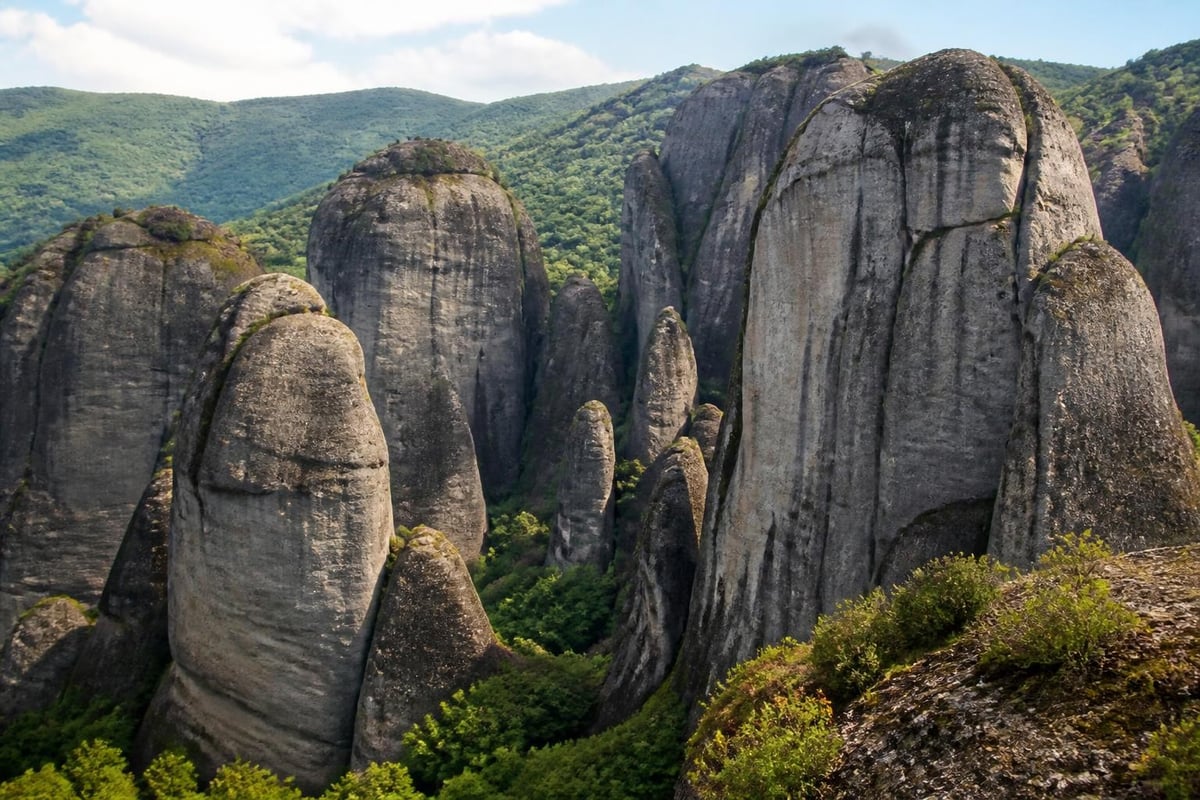
Meteora's distinctive rock pillars began forming approximately 60 million years ago when tectonic activity pushed the seabed upward, creating a delta system in what is now central Greece. Over millions of years, erosion sculpted conglomerate rock-a mixture of sand, pebbles, and sediment-into the dramatic vertical formations we see today.
The Meteora-Pyli UNESCO Global Geopark protects not only the famous rock pillars but also the surrounding landscape's geological diversity. This designation recognizes the area's exceptional geodiversity and its importance for understanding regional geological processes.
Understanding the Rock Composition
The pillars consist primarily of sandstone and conglomerate rock, materials particularly susceptible to erosion patterns that create caves, overhangs, and vertical surfaces. These natural features made the rocks attractive to early hermits seeking isolation.
Key geological characteristics include:
- Heights ranging from 200 to 400 meters above the valley floor
- Variable composition creating different erosion rates
- Natural cave formations within the rock matrix
- Ongoing weathering that continues reshaping the landscape
- Unique microhabitats supporting specialized plant communities
The geological significance extends beyond visual appeal. Researchers studying meteora gain insights into paleoenvironmental conditions, sedimentary processes, and long-term erosion patterns in Mediterranean climates.
Monastic Heritage and Living Tradition
The first ascetics arrived at meteora during the 11th century, initially occupying natural caves and fissures in the rock faces. By the 14th century, organized monastic communities began constructing the elaborate monasteries that define the region's cultural landscape today.
National Geographic documented how meteora became a Greek pilgrimage destination, exploring the monks' motivations for seeking such extreme isolation. Political instability during Byzantine decline and Ottoman expansion made these inaccessible heights appealing refuges for religious communities.
The Six Active Monasteries
Of the twenty-four monasteries built during meteora's monastic peak, six remain active and open to visitors in 2026:
| Monastery | Founded | Notable Features | Visiting Hours |
|---|---|---|---|
| Great Meteoron | 1340s | Largest monastery, exceptional frescoes | Daily except Tuesday |
| Varlaam | 1541 | All Saints chapel, museum collection | Daily except Friday |
| Rousanou | 1545 | Nuns' community, accessible location | Daily |
| Holy Trinity | 1475 | Dramatic position, featured in films | Daily except Thursday |
| St. Nicholas Anapafsas | Early 14th c. | Theophanes frescoes, intimate scale | Daily |
| St. Stephen | 1312 | Easiest access, women's community | Daily except Monday |
Each monastery maintains its own rhythm of prayer, work, and hospitality. Visitors encounter living Orthodox tradition rather than museum exhibits, though strict dress codes and photography restrictions apply.
Accessing the Monasteries
Early hermits scaled the rocks using removable ladders and rope systems. The first permanent stairs weren't carved until the 1920s, making meteora one of the most isolated monastic centers in Christian tradition.
Modern visitors follow paved roads and constructed stairways, though some approaches still require climbing 300+ steps. This physical effort preserves something of the pilgrimage experience while making the monasteries accessible to determined travelers of varying fitness levels.
Planning Your Meteora Visit
The town of Kalambaka serves as the primary base for exploring meteora, offering accommodations ranging from budget guesthouses to boutique hotels. The smaller village of Kastraki, nestled closer to the rock formations, provides a more intimate setting with equally convenient access.
Optimal Visiting Seasons
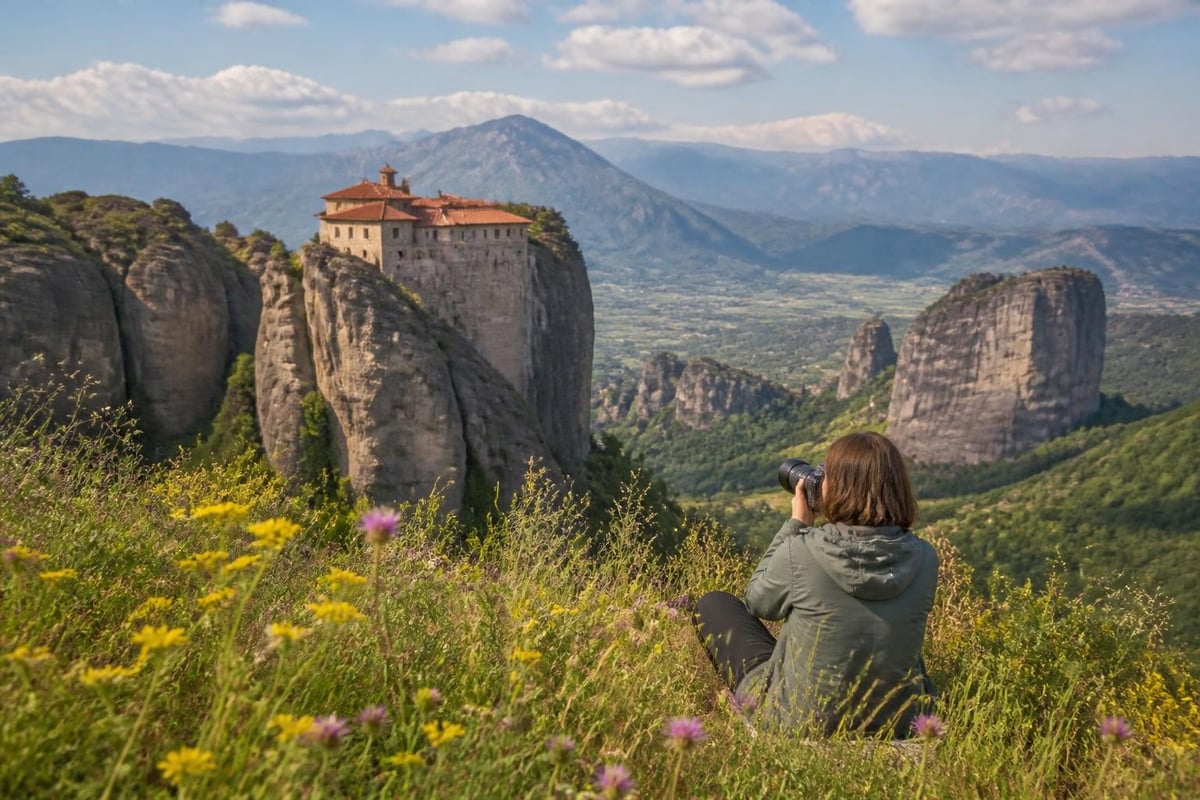
Spring (April through May) and autumn (September through October) offer ideal conditions for meteora exploration. Temperatures remain comfortable for hiking and climbing stairs, while visitor numbers stay moderate compared to peak summer months.
Seasonal considerations:
- Spring: Wildflowers bloom across the valley, temperatures range 15-25°C, occasional rain showers
- Summer: Longest daylight hours, temperatures 25-35°C, highest visitor numbers, monastery closures possible during intense heat
- Autumn: Golden light for photography, temperatures 15-25°C, grape harvest season in surrounding villages
- Winter: Snow-capped peaks, temperatures 5-15°C, some road closures during severe weather, reduced monastery hours
The Meteora-Pyli Geopark provides current information about trail conditions, seasonal closures, and educational programs that enhance visitor understanding of the region's natural and cultural heritage.
Transportation and Logistics
Meteora sits approximately 350 kilometers northwest of Athens, making it accessible as a multi-day excursion or component of broader Greek itineraries. Most travelers reach the area by train, bus, or private vehicle.
Transportation options include:
- Train service from Athens (approximately 4.5 hours to Kalambaka station)
- KTEL bus connections from Thessaloniki and other mainland cities
- Rental vehicles for flexibility exploring surrounding Thessaly region
- Organized tours departing from Athens or Thessaloniki
- Private transfers arranged through specialized travel services
Local transportation around meteora includes taxis, rental scooters, bicycles, and guided minibus tours. Walking between some monasteries remains possible, though distances and elevation changes make vehicle support practical for visiting multiple sites in one day.
Natural Biodiversity and Conservation
Beyond geological and architectural significance, meteora supports remarkable biodiversity. The varied topography creates microclimates and habitats hosting species rare elsewhere in Greece.
The biodiversity of the Meteora-Pyli region includes more than 100 bird species, with particular importance for raptors. Egyptian vultures, golden eagles, and peregrine falcons nest on the rock faces, taking advantage of the vertical cliffs and limited human disturbance.
Flora and Fauna
The transition between Mediterranean and continental climate zones creates botanical diversity unusual for such a compact area. Oak forests dominate lower elevations, while specialized plants colonize rock crevices and summit plateaus.
- Endemic plant species adapted to rock face conditions
- Reptile populations including Hermann's tortoises
- Small mammal communities in forest undergrowth
- Seasonal butterfly migrations through the valley
- Amphibian breeding sites in seasonal wetlands
Conservation challenges include balancing tourism development with habitat protection, managing visitor impacts on nesting raptors, and preserving traditional land-use patterns that maintain biodiversity. The geopark framework supports integrated management addressing these complex issues.
Cultural Experiences Beyond the Monasteries
While the monasteries dominate most visitors' meteora itineraries, the surrounding region offers cultural depth that rewards extended exploration. Traditional villages preserve customs and crafts largely unchanged for generations.
Traditional Villages and Crafts
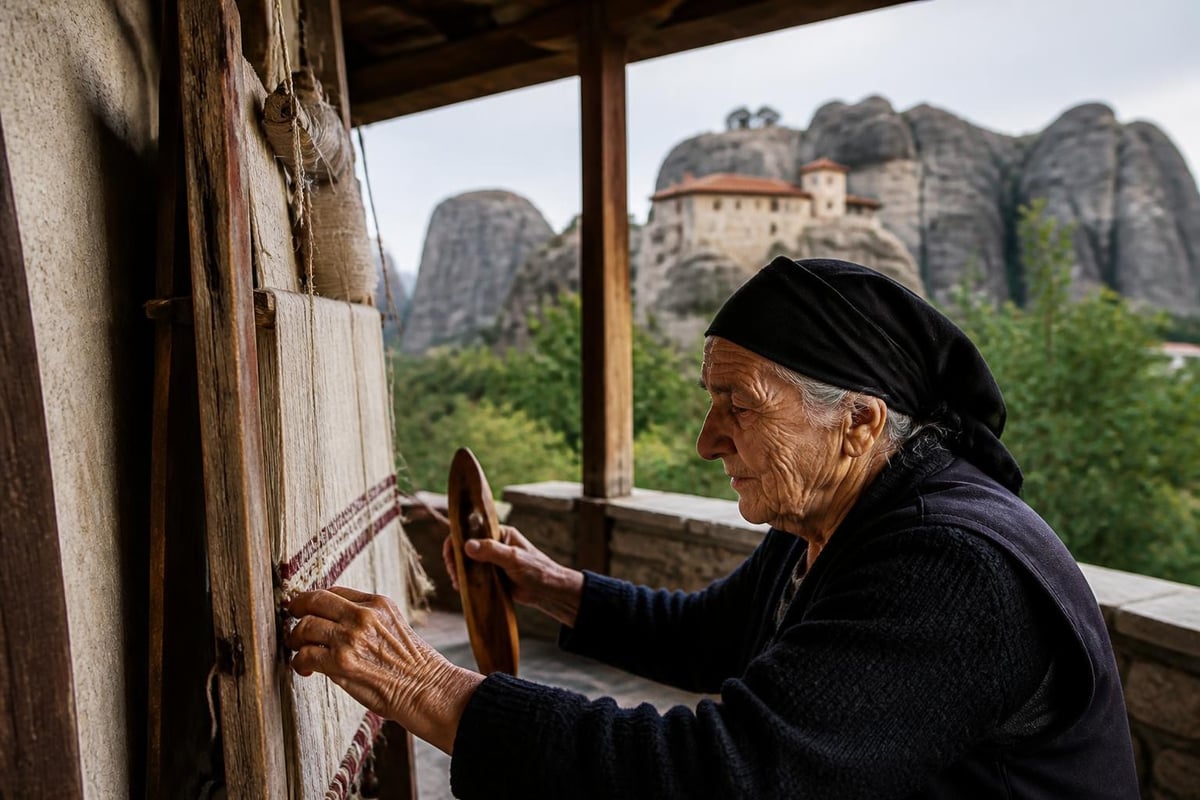
Kastraki maintains its character as a working agricultural village where older residents still speak the regional dialect and maintain terraced olive groves on the hillsides. Village workshops continue producing handwoven textiles, carved wooden items, and other traditional crafts.
The Natural History Museum of Meteora provides context for understanding both natural and human history of the region. Exhibits explore geology, ecology, archaeology, and ethnography through well-curated displays that enhance appreciation for the landscapes visitors encounter.
Local Cuisine and Wine
Thessalian cuisine reflects the agricultural abundance of Greece's breadbasket region. Local specialties include hearty stews, locally raised lamb, foraged wild greens, and mountain cheeses rarely found in coastal areas.
| Dish | Description | Where to Try |
|---|---|---|
| Kontosouvli | Slow-roasted pork on the spit | Traditional tavernas in Kalambaka |
| Alevropita | Savory milk pie | Village bakeries in Kastraki |
| Trachanas | Fermented grain soup | Home-style restaurants |
| Fava Santorinis | Yellow split pea puree | Throughout region |
Regional wines from Thessalian vineyards complement local dishes, offering alternatives to the better-known wines from Greek islands. The continental climate produces structured reds and aromatic whites distinct from island varietals.
Photography and Artistic Inspiration
Meteora's dramatic landscapes have inspired artists, photographers, and filmmakers for generations. The interplay of massive rock formations, perched monasteries, and ever-changing light creates compositions that challenge photographers to capture the scale and spiritual atmosphere.
Optimal Photography Locations
Sunrise and sunset transform meteora's rocks through shifting light and shadow. Several viewpoints offer exceptional perspectives for photography enthusiasts.
Premier photography spots:
- Psaropetra viewpoint: Panoramic sunrise views over multiple rock pillars
- Holy Trinity monastery approach: Classic perspective featured in James Bond films
- Great Meteoron plaza: Sweeping views across the valley at sunset
- Kastraki village edge: Framing shots of monasteries against rock faces
- Monastery of Roussanou: Telephoto opportunities capturing other monasteries
Weather conditions dramatically affect photographic opportunities. Fog occasionally fills the valley, creating ethereal scenes where monastery tops float above clouds. Storm systems produce dramatic skies that enhance the already imposing rock formations.
Hiking and Outdoor Activities
The network of trails connecting meteora's monasteries ranges from gentle valley paths to challenging ascents requiring sure footing and moderate fitness. These routes provide intimate encounters with the landscape impossible from vehicle-based touring.
Recommended Hiking Routes
The trail from Kastraki to Great Meteoron follows the traditional pilgrimage path, passing smaller rock formations and offering changing perspectives on the major monastery complexes. This moderate hike requires approximately two hours and includes several hundred stone steps.
More ambitious hikers tackle the complete circuit connecting all six active monasteries. This full-day expedition covers roughly 15 kilometers with significant elevation gain, rewarding effort with comprehensive exploration and reduced crowds compared to vehicle-dependent visitors.
Essential hiking preparations include:
- Sturdy footwear with ankle support and grippy soles
- Sun protection including hat, sunscreen, and sunglasses
- Adequate water (3+ liters per person for full-day hikes)
- Appropriate clothing for monastery visits (covered shoulders and legs)
- Trail map or GPS device, as signage varies in quality
- Snacks and lunch items, though some monasteries sell refreshments
Rock climbing attracts technical enthusiasts to meteora's challenging routes. More than 700 established climbing routes range from beginner-friendly to extremely difficult, with the added consideration of respecting monastic communities and avoiding areas visible from monastery windows.
Combining Meteora with Broader Greek Itineraries
Meteora's location in central Greece positions it strategically for travelers exploring beyond Athens and the islands. The region connects naturally with Delphi, Thessaloniki, the Pelion Peninsula, and other mainland destinations.
Multi-Region Itinerary Strategies
A well-designed journey might combine Athens' classical antiquities with meteora's Byzantine heritage, creating historical continuity from ancient Greece through the medieval period. This approach provides depth often missing from island-focused itineraries.
Alternatively, linking meteora with coastal destinations like the Pelion Peninsula balances mountain monasteries with seaside relaxation. The contrast between rock pillars and Aegean beaches showcases Greece's geographical diversity.
Sample 10-day mainland and islands combination:
- Days 1-2: Athens exploration (Acropolis, museums, neighborhoods)
- Days 3-4: Meteora monasteries and hiking
- Day 5: Transfer to Thessaloniki via scenic mountain routes
- Days 6-7: Thessaloniki culture and Halkidiki beaches
- Days 8-10: Island extension (domestic flight to Santorini or Mykonos)
This balanced approach appeals to travelers seeking Greece beyond typical beach resort experiences. Just as adventurers might combine cultural exploration with activities like those offered by Palawan Diving in Southeast Asia, Greek itineraries benefit from mixing archaeological sites, natural wonders, and active pursuits.
Accommodation Options and Local Hospitality
The development of tourism infrastructure around meteora has proceeded more gradually than in Greece's island destinations, preserving a more authentic character in local accommodations and services. Family-run guesthouses dominate the hospitality sector, offering personal attention and local knowledge.
Selecting Your Base
Kalambaka provides the widest range of accommodation options, from simple rooms to boutique hotels with rooftop terraces facing the rocks. The town's position at the base of the formations means most lodgings offer dramatic views, particularly from upper floors and terraces.
Kastraki appeals to travelers preferring village atmosphere over town conveniences. Accommodation here tends toward smaller guesthouses and renovated traditional homes, often with hosts who've lived beneath the monasteries their entire lives.
Accommodation categories include:
| Type | Price Range (€) | Best For | Typical Features |
|---|---|---|---|
| Budget guesthouse | 30-50 | Solo travelers, backpackers | Basic rooms, shared facilities |
| Mid-range hotel | 60-100 | Couples, small groups | Private bath, breakfast, WiFi |
| Boutique property | 120-200 | Special occasions, comfort | Design details, views, services |
| Luxury retreat | 200+ | Honeymoons, anniversary trips | Premium amenities, privacy |
Booking directly with smaller properties often yields better rates and more flexible arrangements than third-party platforms. Many family-run establishments offer dinner service featuring home-cooked regional specialties rarely found in restaurants.
Practical Visitor Information
Understanding practical details enhances meteora experiences, from appropriate clothing to photography restrictions to monastery etiquette. These Byzantine institutions maintain active religious functions, requiring visitor sensitivity to monastic rhythms and traditions.
Dress Codes and Behavior
All meteora monasteries enforce dress codes reflecting Orthodox Christian modesty standards. Men must wear long pants, while women require skirts covering the knees (pants are not acceptable). Shoulders must be covered for all visitors.
Most monasteries provide wraps for women arriving in pants, though bringing appropriate clothing shows respect and smooths entry. Conservative dress also proves practical for climbing stairs and managing variable weather conditions.
Additional monastery guidelines:
- Photography prohibited inside chapels and katholikon (main churches)
- Silent or quiet behavior expected throughout monastery grounds
- Restricted areas clearly marked; respect all barriers and signs
- Brief services occur throughout the day; visitors may observe respectfully
- Small admission fees (€3-5 per monastery) support maintenance and operations
The monastic communities welcome sincere visitors regardless of religious background, asking only for respectful behavior and appropriate dress. These simple considerations ensure continued public access to these remarkable spiritual and architectural treasures.
Research and Scholarly Resources
Meteora attracts serious scholarship across multiple disciplines, from geology and ecology to Byzantine art history and religious studies. Academic publications provide depth for travelers interested in understanding beyond surface-level tourism.
The peer-reviewed journal dedicated to Meteora studies publishes research on the region's monasteries, artwork, conservation challenges, and historical development. These scholarly articles offer insights unavailable in general travel literature.
Geological research examines erosion rates, rock composition, and formation processes, contributing to both scientific understanding and conservation planning. Studies of meteora's geodiversity inform UNESCO World Heritage management and geopark educational programs.
Conservation and Sustainable Tourism
Balancing visitor access with heritage preservation represents an ongoing challenge for meteora's management. The monasteries themselves face structural concerns as centuries-old buildings perch on eroding rock foundations.
Sustainable tourism initiatives encourage responsible visiting patterns, including:
- Spreading visitor traffic across all six monasteries rather than concentrating at one or two sites
- Promoting shoulder-season visitation to reduce peak-period pressures
- Developing interpretive programs that enhance understanding while managing impacts
- Supporting local businesses that maintain traditional practices
- Encouraging multi-day stays that reduce transportation impacts
Individual travelers contribute to conservation by choosing local guides, respecting site regulations, staying multiple nights to reduce transportation impacts, and spending money in locally-owned establishments rather than international chains.
Meteora stands among Greece's most compelling destinations, offering profound encounters with both natural grandeur and human spiritual aspiration that transcend typical tourism experiences. The fusion of geological wonder, Byzantine heritage, and living monastic tradition creates memories that remain vivid long after returning home. Whether you're crafting a comprehensive journey through mainland Greece or seeking extraordinary additions to a broader itinerary, the expertise of Hellenic Holidays ensures your meteora experience integrates seamlessly with your vision of the perfect Greek adventure, combining logistics, cultural access, and local knowledge into personalized itineraries designed around your specific interests and travel style.