
Hidden Greek Islands: Your Guide to Secluded Paradises
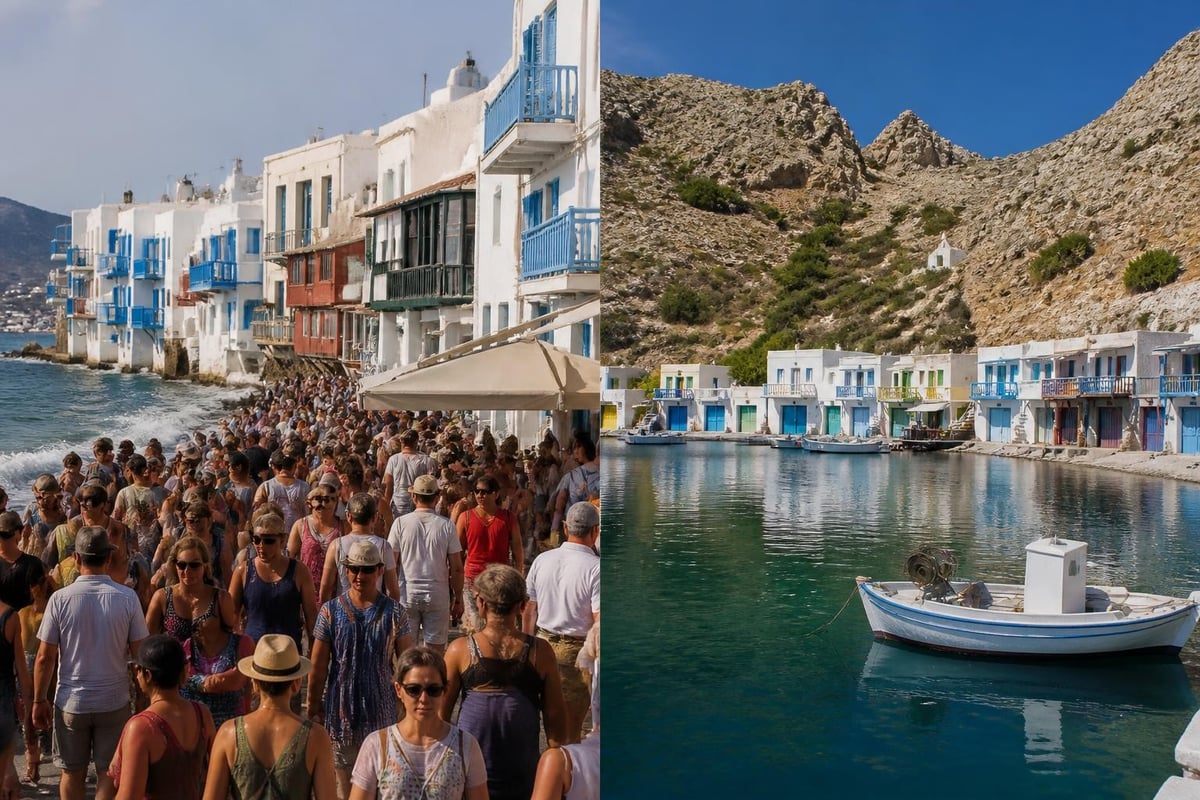
While millions of travelers flock to Santorini and Mykonos each summer, the Aegean and Ionian seas hold dozens of extraordinary islands that remain largely untouched by mass tourism. These hidden Greek islands offer the same crystalline waters, ancient history, and warm hospitality that make Greece legendary, but with a fraction of the crowds and a deeply authentic character. For discerning travelers seeking genuine cultural immersion and natural beauty, venturing beyond the well-trodden path reveals a different side of the Greek archipelago-one where fishing villages still operate according to centuries-old rhythms, where tavernas serve recipes passed down through generations, and where you might have an entire beach to yourself even in peak season.
Why Seek Out Lesser-Known Greek Islands
The appeal of hidden Greek islands extends far beyond avoiding tourist crowds. These destinations preserve traditional ways of life that have largely disappeared from more famous islands, offering travelers a window into authentic Greek culture.
On smaller islands, you'll find communities where residents still speak regional dialects, practice ancient crafts, and celebrate local festivals that haven't been commercialized for visitors. The pace of life moves slower, allowing you to genuinely connect with the rhythm of island existence.
Benefits of choosing hidden Greek islands include:
- Significantly lower accommodation and dining costs compared to popular destinations
- Opportunities to interact meaningfully with local residents
- Preserved architectural heritage without modern development
- Access to pristine natural environments and protected ecosystems
- Authentic culinary experiences at family-run tavernas
- Freedom to explore without navigating dense crowds
Many of these islands also boast exceptional natural beauty and biodiversity. Several fall within Natura 2000 protected areas, ensuring their landscapes and marine environments remain preserved for future generations.
Folegandros: The Cyclades' Best-Kept Secret
Tucked among the Cycladic islands between Santorini and Milos, Folegandros delivers the dramatic clifftop villages and whitewashed architecture the region is famous for, without the overwhelming tourist presence. This small island spans just 32 square kilometers but packs remarkable diversity into its compact footprint.
The main town, Chora, perches spectacularly on a cliff 200 meters above the sea. Its medieval kastro (castle) quarter features narrow, traffic-free lanes where bougainvillea cascades from balconies and traditional bakeries still fire their wood ovens before dawn. Unlike Santorini's Oia, you can actually photograph these stunning vistas without elbowing through crowds.
Natural Beauty and Wildlife
Folegandros has earned recognition from National Geographic for its exceptional birdwatching opportunities, particularly for spotting the rare Eleonora's falcon. The island's rugged terrain and protected coastal areas provide crucial habitat for these migratory raptors.
Beyond birdwatching, the island offers excellent hiking trails that connect traditional villages and lead to secluded beaches. The path from Chora to the church of Panagia crosses dramatic landscapes with panoramic Aegean views.
| Feature | Folegandros | Santorini |
|---|---|---|
| Annual visitors | ~50,000 | ~2 million |
| Average hotel rate (July) | $120-180 | $300-500 |
| Beach accessibility | Boat or hike required | Easy road access |
| Cruise ship arrivals | None | 500+ annually |
The Northern Sporades: Marine Wilderness
The Northern Sporades archipelago offers some of Greece's most pristine marine environments. While Skiathos attracts its share of summer visitors, nearby islands like Alonnisos, Skopelos, and tiny Kyra Panagia remain wonderfully undeveloped.
Alonnisos serves as the gateway to Greece's first National Marine Park, established in 1992 to protect the critically endangered Mediterranean monk seal. The Alonissos Northern Sporades National Marine Park encompasses six uninhabited islands and numerous rocky islets, creating a haven for marine biodiversity.
Experiencing Sustainable Island Tourism
Alonnisos demonstrates how hidden Greek islands can balance tourism with environmental protection. The island limits development, prohibits motorized water sports in protected zones, and promotes eco-tourism activities like guided nature walks and traditional boat-building workshops.
Recommended activities on Alonnisos:
- Join a marine park boat tour to spot dolphins and monk seals
- Hike the island's network of marked trails through pine forests
- Visit the old village (Palio Chorio) for artisan workshops
- Explore underwater archaeological sites with certified dive operators
- Participate in beach cleanup initiatives organized by local conservation groups
The island's commitment to sustainable practices makes it an ideal destination for environmentally conscious travelers seeking authentic experiences without compromising ecological integrity.
Ikaria: The Island Time Forgot
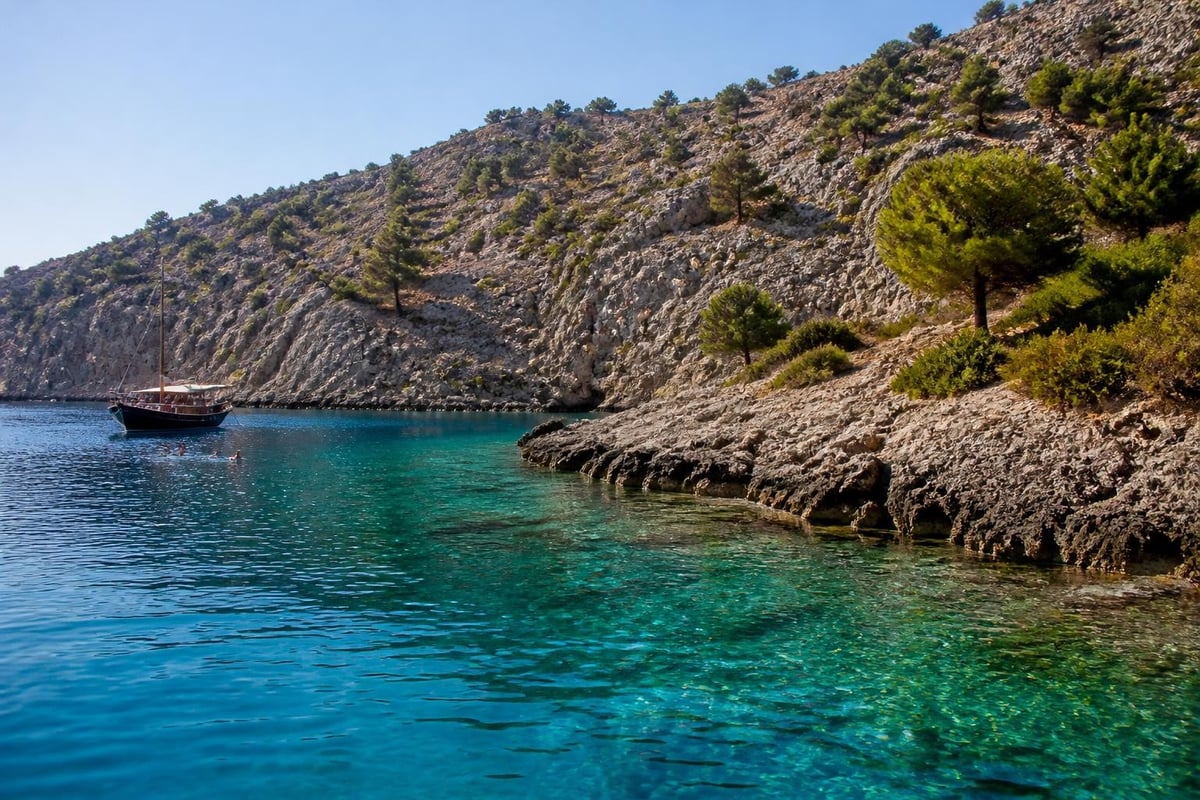
Named for the mythological Icarus who fell into the nearby sea, Ikaria has earned modern fame as one of the world's five "Blue Zones" where residents regularly live past 100 years. This longevity stems partly from the island's relaxed lifestyle, healthy diet, and strong community bonds-qualities that make it exceptional among hidden Greek islands.
Ikaria operates on its own schedule, with shops and restaurants opening and closing according to the owner's mood rather than posted hours. This laid-back attitude extends to the island's natural hot springs, where locals gather for therapeutic soaks followed by leisurely meals at nearby tavernas.
Cultural Traditions and Festivals
The island maintains unique cultural traditions that have vanished elsewhere in Greece. Village panigyria (festivals) happen throughout summer, with whole communities gathering for all-night dancing, grilled goat, and homemade wine. Unlike tourist-oriented "Greek nights," these celebrations welcome visitors as genuine participants rather than spectators.
Ikaria's distinctive architecture also sets it apart. Traditional stone houses feature thick walls and small windows designed to stay cool in summer, and many villages blend seamlessly into the mountainous landscape rather than perching dramatically on clifftops.
Lipsi: Dodecanese Tranquility
In the Dodecanese chain between Patmos and Leros, tiny Lipsi covers just 17 square kilometers and supports a population of roughly 700 residents. This makes it one of the most intimate hidden Greek islands, where you'll recognize familiar faces after just a day or two.
The island's single main settlement spreads around a protected harbor, with traditional white and blue houses climbing the hillside. Despite its small size, Lipsi offers surprising variety: more than a dozen beaches (most accessible only by foot or boat), several historic churches and monasteries, and enough tavernas to enjoy different dining options throughout a week-long stay.
| Aspect | What to Expect |
|---|---|
| Getting there | Ferry from Patmos (1 hour) or Leros (45 min) |
| Accommodation | Family-run guesthouses, small hotels, no resorts |
| Beaches | Secluded coves with crystal-clear water |
| Dining | Traditional tavernas, fresh seafood, limited variety |
| Nightlife | Minimal; waterfront cafes, early closing times |
Practical Considerations for Visiting Hidden Islands
Planning a trip to lesser-known Greek islands requires more flexibility and research than visiting popular destinations. Ferry schedules change seasonally, accommodation options are limited, and English proficiency varies among local residents.
Transportation Logistics
Most hidden Greek islands connect to major hubs like Athens (Piraeus port), Crete, or Rhodes through ferry networks. However, services often run just a few times weekly during shoulder seasons. Lonely Planet’s guide to traveling in Greece offers valuable insights into navigating ferry schedules and understanding seasonal variations.
Essential planning steps:
- Book ferries in advance during July and August
- Build flexibility into your itinerary for schedule changes
- Consider island-hopping routes that minimize backtracking
- Research whether your destination has vehicle rentals or relies on local buses
- Download offline maps since cell coverage can be spotty
Some islands require connecting through intermediate stops. For example, reaching Lipsi typically involves a ferry to Patmos first, then a smaller boat onward. These connections add travel time but form part of the adventure.
Seasonal Timing
The shoulder seasons (May-June and September-October) offer ideal conditions for visiting hidden Greek islands. Weather remains warm and sunny, sea temperatures are comfortable for swimming, and ferry schedules still operate reliably. Many accommodations close completely from November through March.
High summer (July-August) brings perfect beach weather but also Greek holiday periods when even remote islands see domestic tourism increases. Easter week is particularly busy, as extended families return to ancestral island homes for traditional celebrations.
Archaeological and Cultural Heritage
Many hidden Greek islands preserve remarkable archaeological sites with minimal tourist infrastructure. These locations offer rare opportunities to explore ancient ruins, Byzantine churches, and medieval fortifications without crowds or entry fees.
The Hellenic Ministry of Culture maintains comprehensive information about archaeological sites throughout the islands, including those on lesser-known destinations. Several small islands host excavations that welcome volunteer participants during summer months.
Notable Lesser-Known Archaeological Sites
Keros, an uninhabited island in the Cyclades, contains one of the Aegean's most significant prehistoric sanctuaries. While not open to casual tourism, it exemplifies how hidden Greek islands continue yielding archaeological discoveries that reshape our understanding of ancient civilizations.
Inhabited islands like Amorgos feature Byzantine monasteries clinging to cliffsides, Venetian fortresses, and ancient temples. The monastery of Panagia Hozoviotissa, built into a sheer rock face, stands as one of Greece's most photographed religious sites despite the island's relative obscurity.
Island-Specific Recommendations by Interest
Different hidden Greek islands excel in specific areas, allowing you to match destinations to your interests and travel style. This targeted approach ensures you'll find islands that deliver exactly the experiences you seek.
For Hikers and Nature Enthusiasts
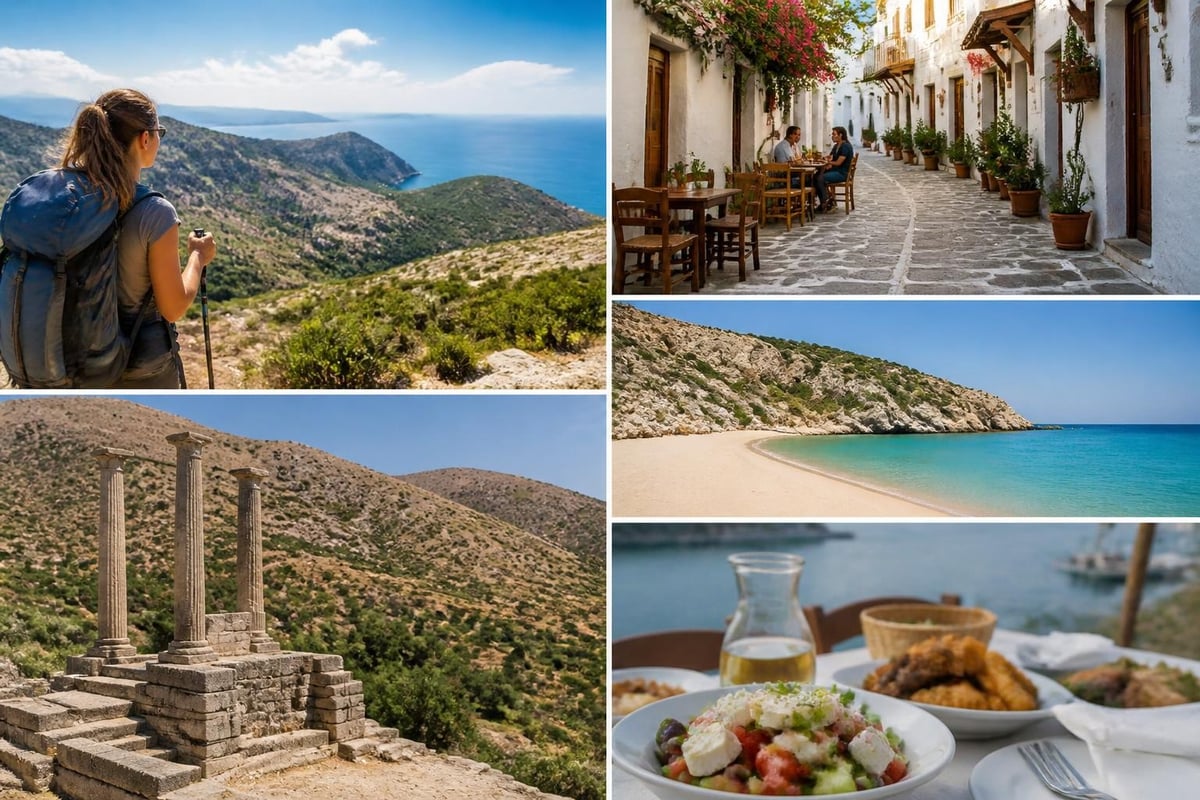
Andros (Cyclades) offers Greece's most developed hiking trail network, with well-marked paths connecting mountain villages through landscapes of waterfalls, stone bridges, and abandoned windmills. The island's microclimate supports lush vegetation rare in the typically arid Cyclades.
Ithaca (Ionian), legendary home of Odysseus, provides dramatic coastal trails with views across to Kefalonia and the mainland. The island's compact size makes it possible to hike from coast to coast in a single day.
For Food and Wine Lovers
Tinos (Cyclades) has emerged as a culinary destination, with artisan producers crafting everything from capers to cheese to volcanic wines. The island hosts food festivals celebrating local products and maintains strong agricultural traditions.
Kea (Cyclades), the closest Cycladic island to Athens, combines accessibility with authentic cuisine. Its proximity to the capital means many Athenians maintain second homes here, supporting a dining scene that balances tradition with contemporary creativity.
For Beach Seekers
Antiparos (Cyclades), connected by a short ferry from Paros, offers pristine beaches without the development that has transformed its larger neighbor. The island's southern coast features a series of sandy bays accessible by boat or adventurous hiking.
Meganisi (Ionian), just off Lefkada, boasts turquoise waters rivaling the Caribbean. Several sea caves provide natural swimming pools, and the island's three villages maintain fishing-village character.
Combining Hidden Islands with Classic Destinations
For first-time visitors to Greece or those with limited time, combining one or two hidden Greek islands with more famous destinations creates a balanced itinerary. This approach lets you experience iconic sites while also discovering quieter alternatives.
A well-designed route might include Athens for ancient history and museums, Santorini for dramatic caldera views, then Folegandros for a similar landscape without crowds. Or consider Mykonos for vibrant nightlife followed by Tinos for spiritual sites and culinary traditions.
Sample two-week itinerary combining popular and hidden islands:
- Days 1-3: Athens (Acropolis, museums, historic neighborhoods)
- Days 4-6: Santorini (caldera views, wineries, archaeological sites)
- Days 7-9: Folegandros (hiking, quiet beaches, authentic village life)
- Days 10-12: Naxos (Venetian kastro, mountain villages, water sports)
- Days 13-14: Return to Athens (shopping, final meals, departure)
This approach provides Instagram-worthy highlights while also delivering the slower pace and cultural authenticity that hidden islands offer. The contrast between destinations enhances appreciation for both experiences.
Environmental Responsibility on Small Islands
Visiting hidden Greek islands carries particular environmental responsibilities. These small communities often lack infrastructure to manage waste, water consumption, and environmental impacts that larger destinations handle more easily.
Travelers can minimize their footprint through conscious choices. Refuse single-use plastics, carry reusable water bottles (most islands have potable tap water or refill stations), and participate in beach cleanups if opportunities arise. Respect protected areas, stick to marked trails, and avoid disturbing wildlife.
Several conservation organizations work throughout the Greek islands to protect marine and terrestrial ecosystems. Supporting these efforts through donations or volunteer programs helps ensure hidden Greek islands remain pristine for future generations.
The management of protected areas across Greek islands demonstrates how conservation and tourism can coexist. These initiatives provide frameworks for responsible visitation that benefits local economies while preserving natural heritage.
Accommodation and Amenities
Hidden Greek islands typically offer family-run guesthouses, small hotels, and rental apartments rather than resort complexes. This accommodation style provides opportunities to connect with local hosts who share insider knowledge about their island.
Expect simpler amenities than at larger destinations. Air conditioning may be limited or absent, WiFi can be unreliable, and hot water sometimes runs out during peak morning hours. These minor inconveniences pale compared to the authentic experience and genuine hospitality you'll encounter.
Many small islands lack ATMs or credit card acceptance at all establishments. Carry sufficient cash for your stay, though most islands have at least one bank branch or ATM at the main port.
Exploring hidden Greek islands rewards travelers with authentic cultural experiences, pristine natural beauty, and peaceful environments that contrast sharply with overcrowded hotspots. These destinations require slightly more planning and flexibility but deliver memories that standard tourist itineraries cannot match. Whether you're seeking adventure, relaxation, or cultural immersion, Hellenic Holidays specializes in crafting tailor-made itineraries that combine iconic Greek destinations with lesser-known islands perfectly suited to your interests and travel style.