
Prettiest Greek Island: Top Destinations for 2026
Greece beckons travelers with over 6,000 islands scattered across the Aegean and Ionian Seas, each offering its own blend of natural beauty, cultural heritage, and Mediterranean charm. While choosing the prettiest Greek island ultimately depends on individual preferences, certain destinations consistently capture hearts with their extraordinary landscapes, pristine beaches, and authentic village life. From the iconic whitewashed buildings of the Cyclades to the lush green mountains of the Ionian islands, understanding what makes each island special helps travelers craft the perfect Mediterranean escape.
Defining Beauty in the Greek Islands
Greek island beauty manifests in countless forms. Some travelers seek dramatic volcanic cliffs plunging into azure waters, while others prioritize golden sand beaches and turquoise shallows. Architecture plays a significant role, whether you're drawn to the sugar-cube houses of Santorini or the Venetian fortresses of Corfu.
Cultural richness adds another dimension to island beauty. Ancient ruins, Byzantine churches, and traditional festivals create layers of meaning beyond mere aesthetics. The prettiest Greek island for you might be one where history comes alive through well-preserved archaeological sites and living traditions.
Natural Landscape Diversity
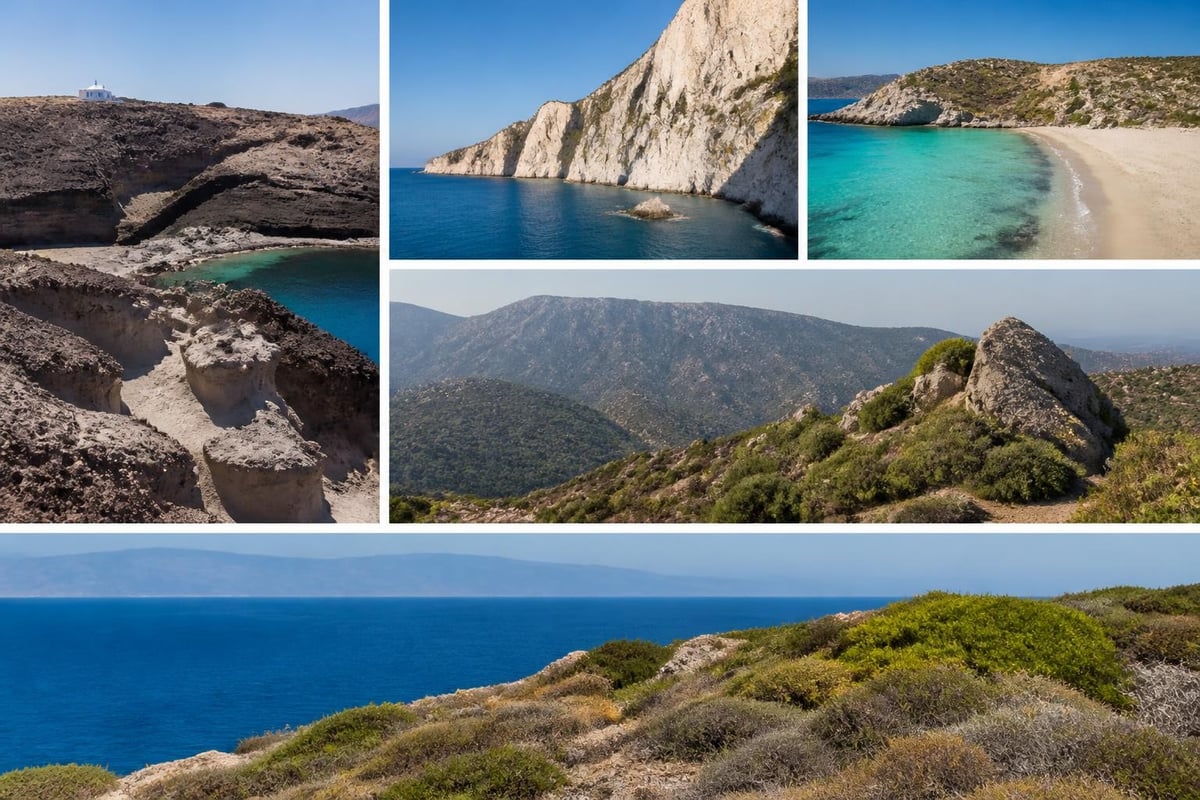
Greece's islands showcase remarkable geological variety. Volcanic islands feature black sand beaches and dramatic caldera views, while limestone formations create hidden sea caves and dramatic rock formations. Mountainous islands offer hiking trails through pine forests and wildflower meadows, contrasting sharply with the arid beauty of wind-swept Cycladic landscapes.
Key landscape features that define island beauty:
- Coastal formations (cliffs, coves, beaches)
- Vegetation density and variety
- Mountain topography
- Volcanic or limestone geology
- Water clarity and color gradients
Santorini: The Iconic Cycladic Beauty
Santorini consistently ranks among the world's most photographed destinations, and its claim as the prettiest Greek island rests on its otherworldly volcanic landscape. The crescent-shaped caldera creates a natural amphitheater where white and pastel buildings cascade down cliffsides, offering spectacular sunset views that have become synonymous with Greek island romance.
Beyond the famous vistas of Oia and Fira, Santorini rewards deeper exploration. The island's volcanic beaches range from the dramatic black sands of Perissa to the red cliffs of Red Beach. Ancient Akrotiri, a Minoan settlement preserved in volcanic ash, provides fascinating historical context for this geologically active island.
Wine Country and Village Life
Santorini's volcanic soil produces distinctive wines, particularly the crisp Assyrtiko variety. Visiting traditional wineries in villages like Pyrgos and Megalochori reveals a quieter side of the island, where family-run cellars operate in centuries-old cave houses. These inland settlements showcase classic Cycladic architecture without the crowds of the caldera towns.
The island's culinary scene has evolved beyond tourist fare, with innovative chefs using local ingredients like cherry tomatoes, fava beans, and capers to create memorable dining experiences. Many visitors find that Santorini's beauty extends to their palate, making it a comprehensive sensory destination.
Milos: The Hidden Gem Alternative
For travelers seeking the prettiest Greek island without the crowds, Milos offers comparable natural beauty to Santorini with a fraction of the tourist infrastructure. This volcanic island boasts over 70 beaches, each with distinct characteristics shaped by the island's mining history and geological diversity.
Sarakiniko stands out as one of Greece's most unique beaches, where white volcanic rock formations have been sculpted by wind and waves into lunar-like landscapes. The turquoise waters of Kleftiko, accessible only by boat, feature sea caves and rock arches that create a natural sculpture garden. Firiplaka's multicolored cliffs demonstrate the island's mineral wealth in vivid reds, yellows, and whites.
| Beach Name | Unique Feature | Accessibility | Best For |
|---|---|---|---|
| Sarakiniko | Lunar landscape | Easy access | Photography |
| Kleftiko | Sea caves | Boat only | Snorkeling |
| Firiplaka | Colorful cliffs | Moderate hike | Swimming |
| Tsigrado | Hidden cove | Ladder descent | Adventure |
| Paleochori | Hot springs | Easy access | Relaxation |
Authentic Island Culture
Milos maintains a working economy beyond tourism, with fishing and mining still supporting local communities. The capital, Plaka, perches on a hilltop offering panoramic views without the commercial development of more famous islands. Villages like Klima feature traditional fishermen's houses called "syrmata," where brightly painted boat garages line the waterfront, creating one of the Cyclades' most charming sights.
According to National Geographic’s guide to the best Greek islands, Milos represents the perfect balance of natural beauty and authentic Greek culture, making it an increasingly popular choice for discerning travelers.
Crete: Beauty Through Diversity
As Greece's largest island, Crete offers such diverse landscapes and experiences that declaring it the prettiest Greek island means something different depending on which region you explore. The island spans nearly 260 kilometers from east to west, encompassing pink sand beaches, dramatic gorges, snow-capped mountains, and centuries-old olive groves.
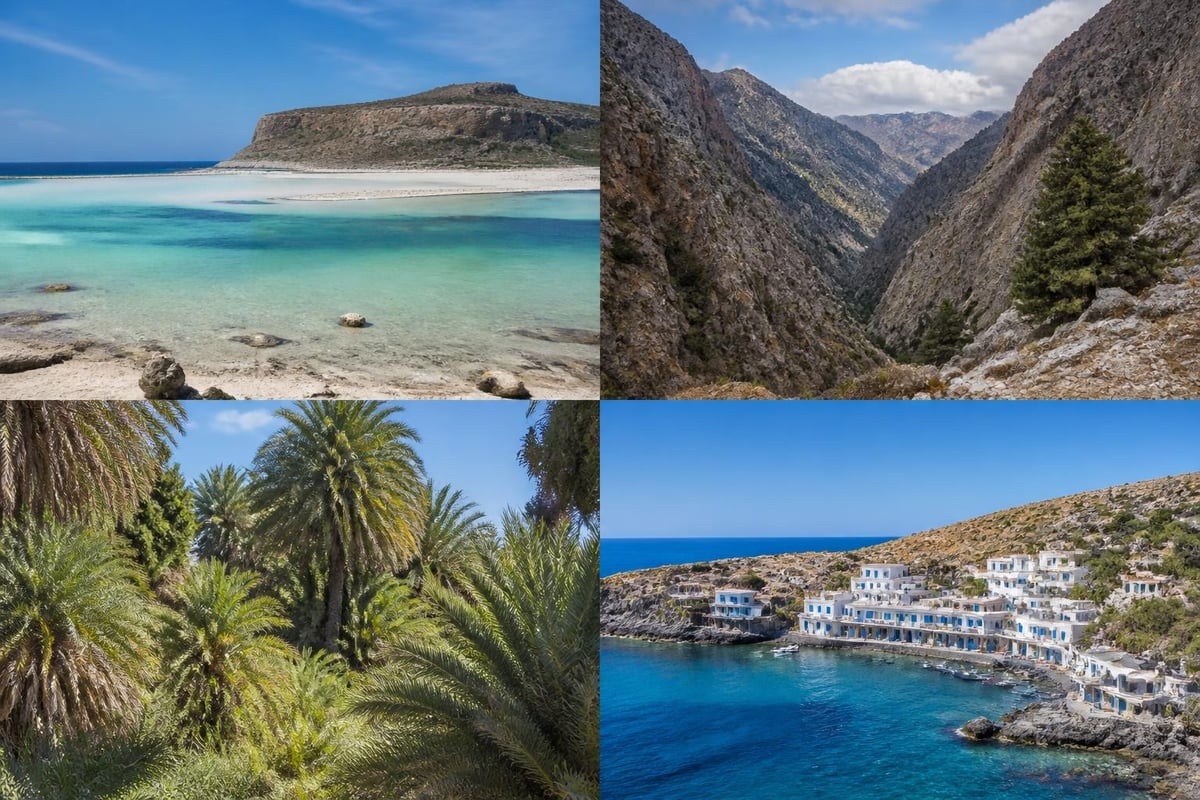
Balos Lagoon in the northwest exemplifies Crete's natural splendor, where shallow turquoise waters create a tropical palette against white sand and rocky outcrops. The Samaria Gorge, one of Europe's longest canyons, offers a 16-kilometer trek through towering cliff walls and endemic flora. Elafonisi's pink sand beaches attract beach lovers, while the palm forest of Vai in the east provides an unexpected Mediterranean oasis.
Historical Depth and Cultural Richness
Crete's beauty extends beyond landscapes to its profound historical significance. The Minoan palace at Knossos represents Europe's oldest civilization, while Venetian fortresses, Ottoman mosques, and Byzantine monasteries layer subsequent cultural influences across the island. Mountain villages like Anogia preserve traditional music and weaving crafts, offering cultural experiences that complement the island's natural attractions.
Regional highlights across Crete:
- Chania: Venetian harbor, Samaria Gorge, Balos Lagoon
- Rethymno: Old town fortress, beach resorts, mountain villages
- Heraklion: Knossos palace, museums, wine country
- Lasithi: Vai palm forest, Spinalonga island, eastern beaches
- South Coast: Isolated villages, pristine beaches, hiking trails
Naxos: The Balanced Beauty
Lonely Planet’s guide to the best Greek islands highlights Naxos as an ideal destination for travelers seeking a complete Greek experience. As the largest Cycladic island, Naxos combines classic white villages with unexpected green valleys, ancient ruins, and excellent beaches that appeal to families and adventure seekers alike.
The island's geographic diversity creates microclimates supporting agriculture unusual for the Cyclades. Lush valleys produce potatoes, citrus fruits, and the famous Naxos Graviera cheese. The mountainous interior contains traditional villages where old women still wear traditional dress and Byzantine churches hold centuries-old frescoes.
Beach Paradise with Substance
Naxos beaches stretch for kilometers along the western coast, with Agios Prokopios and Plaka consistently ranking among Greece's finest. The shallow waters and steady winds make the island a windsurfing and kitesurfing destination, adding active recreation to the typical beach vacation.
Naxos Town (Chora) balances tourist amenities with authentic Greek life. The Portara, a massive marble doorway from an unfinished Temple of Apollo, frames sunset views of the harbor. The kastro (castle) neighborhood reveals Venetian history through noble mansions and hidden courtyards, while waterfront tavernas serve fresh seafood and local produce.
Zakynthos: Ionian Emerald
The Ionian islands present a different aesthetic than the arid Cyclades, and Zakynthos showcases this greener, more verdant vision of the prettiest Greek island. Lush vegetation covers mountainsides that drop dramatically to some of the Mediterranean's clearest waters, creating striking contrasts between green cliffs and turquoise seas.
Navagio Beach (Shipwreck Beach) has become an icon of Greek island beauty, where a rusting smuggler's ship rests on white pebbles surrounded by towering limestone cliffs. The beach remains accessible only by boat, preserving its dramatic isolation. The Blue Caves along the northern coast create natural light shows as sunlight reflects through crystal-clear water onto cave walls.
Marine Life and Natural Wonders
Zakynthos serves as a nesting ground for endangered loggerhead sea turtles, and protected beaches in Laganas Bay showcase Greece's conservation efforts. Snorkeling and diving reveal underwater caves and marine life thriving in the island's clear waters. The combination of ecological significance and stunning landscapes gives Zakynthos a unique position among Greek islands.
Traditional mountain villages like Keri and Kampi offer perspectives different from the beach resorts, where local life continues around centuries-old churches and family-run tavernas. The island's olive oil production and wine-making traditions provide agritourism opportunities that complement beach-focused itineraries.
Paros: The Artistic Haven
Wallpaper’s comprehensive guide to Paros explores how this central Cycladic island has evolved into a sophisticated destination attracting artists, designers, and travelers seeking authentic beauty. Paros combines classic Cycladic aesthetics with a creative energy that sets it apart from more tourist-oriented neighbors.
Naoussa's fishing harbor epitomizes Cycladic charm, where traditional boats bob in crystal waters beneath whitewashed houses and waterfront restaurants. Parikia, the main port, blends medieval kastro streets with modern boutiques and galleries. The golden beaches of Kolymbithres feature distinctive rock formations sculpted by wind and waves into organic shapes.
Creative Community and Craft Traditions
Paros marble, prized since antiquity for its translucent quality, still supports local sculptors and artisans. Contemporary artists have established studios and galleries across the island, creating a cultural scene that extends beyond ancient history. The arts and crafts village of Lefkes, set in the island's mountainous interior, preserves traditional Cycladic architecture while supporting modern creative enterprises.
| Feature | Paros | Santorini | Mykonos | Naxos |
|---|---|---|---|---|
| Crowds (High Season) | Moderate | Very High | Very High | Moderate |
| Beach Quality | Excellent | Good | Excellent | Excellent |
| Nightlife | Moderate | Low | Very High | Low |
| Family-Friendly | High | Moderate | Low | High |
| Cultural Sites | Moderate | High | Low | High |
| Natural Beauty | High | Very High | Moderate | High |
Sifnos: The Culinary Island
Wallpaper’s exploration of Sifnos reveals an island where gastronomy and natural beauty create a distinctive identity. This small Cycladic island has produced a disproportionate number of Greece's best chefs, and its culinary traditions elevate a visit beyond typical beach tourism.
The prettiest Greek island designation for Sifnos comes from its harmonious villages, where traditional architecture remains largely intact. Kastro perches on a rocky promontory, its medieval houses forming a defensive wall against the sea. Apollonia, the capital, spreads across hilltops connected by stepped paths and bougainvillea-draped alleys. Distinctive dovecotes dot the agricultural landscape, representing traditional farming practices maintained for generations.
Beach Beauty and Village Charm
Sifnos beaches range from organized sandy stretches like Platys Gialos to secluded coves accessible by hiking trails. The combination of excellent swimming spots and sophisticated dining creates a balanced vacation experience. Evening passeggiate (strolls) through village lanes, stopping at pottery workshops and local bakeries, reveal the island's authentic rhythms.
The island's ceramic tradition continues in workshops around Vathy and Platis Gialos, where potters create functional ware and decorative pieces using local clay. These crafts, combined with agricultural products like capers, thyme honey, and chickpeas, demonstrate how Sifnos maintains economic diversity beyond tourism.
Corfu: The Venetian Jewel
Corfu's lush landscape and Italian-influenced architecture create a different vision of the prettiest Greek island, one shaped by centuries of Venetian, French, and British rule. The island's position in the Ionian Sea ensures higher rainfall, supporting cypress forests, olive groves, and gardens that distinguish it from the Cyclades.
Corfu Town's UNESCO-listed old town combines Venetian fortresses, French arcades, and British cricket grounds into a uniquely cosmopolitan Greek city. The Liston's café-lined arcade and Spianada square create elegant public spaces unlike anywhere else in Greece. Pastel-colored buildings with wrought-iron balconies and shuttered windows evoke Italian rather than typically Greek aesthetics.
Coastal and Mountain Landscapes
Paleokastritsa's turquoise bays and clifftop monasteries exemplify Corfu's coastal beauty, where pine-covered hills drop to crystal waters. The northeast coast offers pebble beaches and traditional villages like Kassiopi, while the southwest features long sandy beaches popular with families. Mount Pantokrator's summit provides panoramic views across the island to Albania and mainland Greece.
Traditional villages in Corfu's interior preserve local customs and architecture distinct from resort areas. Stone houses with terracotta roofs cluster around churches and olive presses, where community life continues as it has for generations. AFAR’s guide to Greek islands for different travelers notes how Corfu's diversity allows visitors to experience both cosmopolitan culture and rural traditions on a single island.
Folegandros: The Dramatic Escape
For travelers prioritizing dramatic natural beauty over amenities, Folegandros presents the prettiest Greek island vision in its purest form. This small Cycladic island features steep cliffs, pristine beaches, and traditional villages largely untouched by mass tourism. The lack of an airport has preserved Folegandros as a destination for travelers seeking authentic experiences.
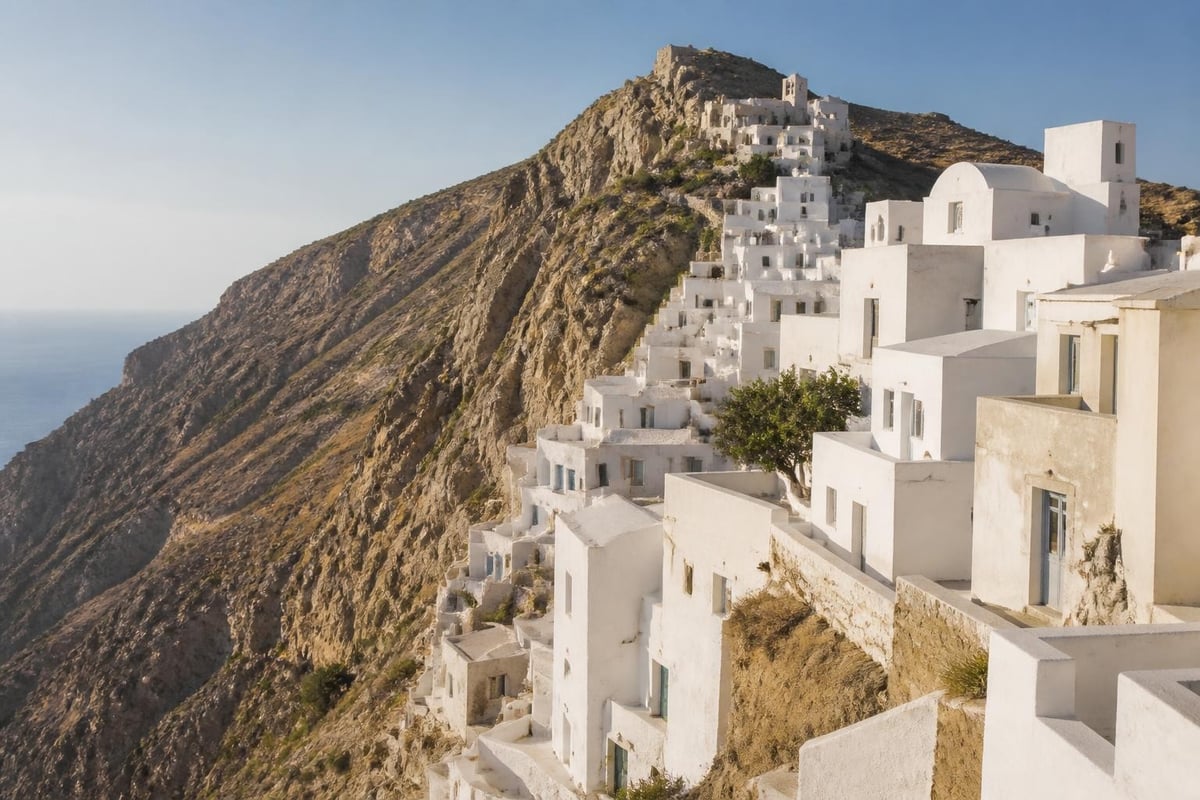
Chora village clings to clifftops 200 meters above the sea, its car-free lanes and traditional architecture creating one of the Cyclades' most atmospheric settlements. Three connected squares form the social heart of the village, where evening gatherings in tavernas and cafés continue traditions of community life. The Church of Panagia perches even higher on a rocky pinnacle, requiring a steep climb rewarded by panoramic sunset views.
Secluded Beaches and Hiking Trails
Katergo beach exemplifies Folegandros' untouched beauty, accessible only by boat or a challenging hiking trail. The effort required to reach such beaches ensures they remain uncrowded even in high season. Agali and Angali beaches offer easier access while maintaining the island's peaceful atmosphere. Clear waters and rocky seabeds create excellent snorkeling conditions around much of the coastline.
Hiking trails connect beaches, villages, and historical sites across the island's rugged terrain. The network of paths follows ancient routes used by farmers and shepherds, providing authentic perspectives on how islanders have shaped and been shaped by this dramatic landscape.
Rhodes: Medieval Grandeur Meets Beach Beauty
Rhodes combines historical significance with natural beauty on a scale that positions it among contenders for the prettiest Greek island. The medieval old town of Rhodes City, a UNESCO World Heritage site, represents the best-preserved fortified town in Europe. Beyond the historic capital, the island offers diverse landscapes from green mountains to golden beaches.
The Palace of the Grand Master and the Street of the Knights transport visitors to the medieval period when the Knights of Saint John ruled Rhodes. The old town's labyrinthine alleys reveal Ottoman mosques, Jewish synagogues, and Byzantine churches, demonstrating the island's multicultural heritage. Modern Rhodes extends beyond these walls with cosmopolitan restaurants, museums, and cultural venues.
Natural Diversity Across the Island
Lindos combines ancient ruins with beach resort amenities, where an Acropolis crowns a rocky promontory above a picturesque village and twin bays. The Valley of the Butterflies provides a rare natural phenomenon where thousands of butterflies gather in a shaded gorge during summer months. The Seven Springs area offers cool forest walks through pine and plane trees surrounding natural springs.
Top Rhodes experiences by interest:
- History enthusiasts: Medieval city, Ancient Kamiros, Lindos Acropolis
- Beach lovers: Tsambika, Anthony Quinn Bay, Prasonisi
- Nature seekers: Valley of Butterflies, Seven Springs, Mount Attavyros
- Village culture: Embonas, Siana, Archangelos
- Water sports: Prasonisi windsurfing, diving sites, sailing
Ferryscanner’s guide to the most beautiful Greek islands emphasizes how Rhodes' size allows visitors to experience multiple aspects of Greek island beauty during a single vacation.
Choosing Your Perfect Island Match
Determining the prettiest Greek island requires honest assessment of your vacation priorities. Beach quality, cultural depth, nightlife, hiking opportunities, and crowd tolerance all influence which island will provide your ideal experience. Some travelers find beauty in sophisticated amenities and vibrant social scenes, while others seek isolation and pristine nature.
Consider practical factors alongside aesthetic preferences. Islands with airports offer easier access but typically see more development and higher prices. Smaller islands reached only by ferry maintain authenticity but require more flexible schedules and lower service expectations. The timing of your visit dramatically affects both the island's appearance and your experience, with spring wildflowers and autumn light offering different beauty than summer's peak season.
Combining Multiple Islands
Many travelers create richer experiences by combining complementary islands. Ferry connections make island-hopping feasible, allowing you to experience different aspects of Greek beauty in one trip. Pairing a famous island like Santorini with a lesser-known neighbor like Folegandros balances iconic experiences with authentic discovery. Combining islands from different groups-Cyclades and Dodecanese, or Ionian and Cyclades-reveals the full diversity of Greek island landscapes and cultures.
The prettiest Greek island might ultimately be the one you discover beyond the guidebook highlights, where an unexpected village, a secluded beach, or a spontaneous conversation reveals the human warmth and natural beauty that make Greece unforgettable. Whether you choose dramatic Santorini, diverse Crete, artistic Paros, or any of the hundreds of other Greek islands, the combination of ancient culture, Mediterranean landscapes, and genuine hospitality creates beauty that transcends any single destination.
Greece's islands each offer distinct expressions of Mediterranean beauty, from volcanic drama to lush greenery, medieval history to pristine nature. The prettiest Greek island ultimately depends on what resonates with your personal vision of paradise. Whether you're drawn to iconic destinations or hidden gems, Hellenic Holidays specializes in crafting personalized itineraries that showcase the best of Greece's island landscapes, combining multiple destinations into seamlessly planned vacations that capture the full spectrum of Greek beauty and culture.