
Santorini Cooking Class: A Culinary Journey in Greece
Santorini's culinary scene extends far beyond its picturesque white-washed villages and sunset views. A santorini cooking class offers travelers an immersive experience into authentic Greek cuisine, combining hands-on instruction with the island's unique agricultural heritage and time-honored cooking techniques. Whether you're a passionate home cook or simply curious about Mediterranean flavors, these classes provide an educational journey that transforms your understanding of Greek food culture while creating memories that last long after your vacation ends.
What Makes a Santorini Cooking Class Unique
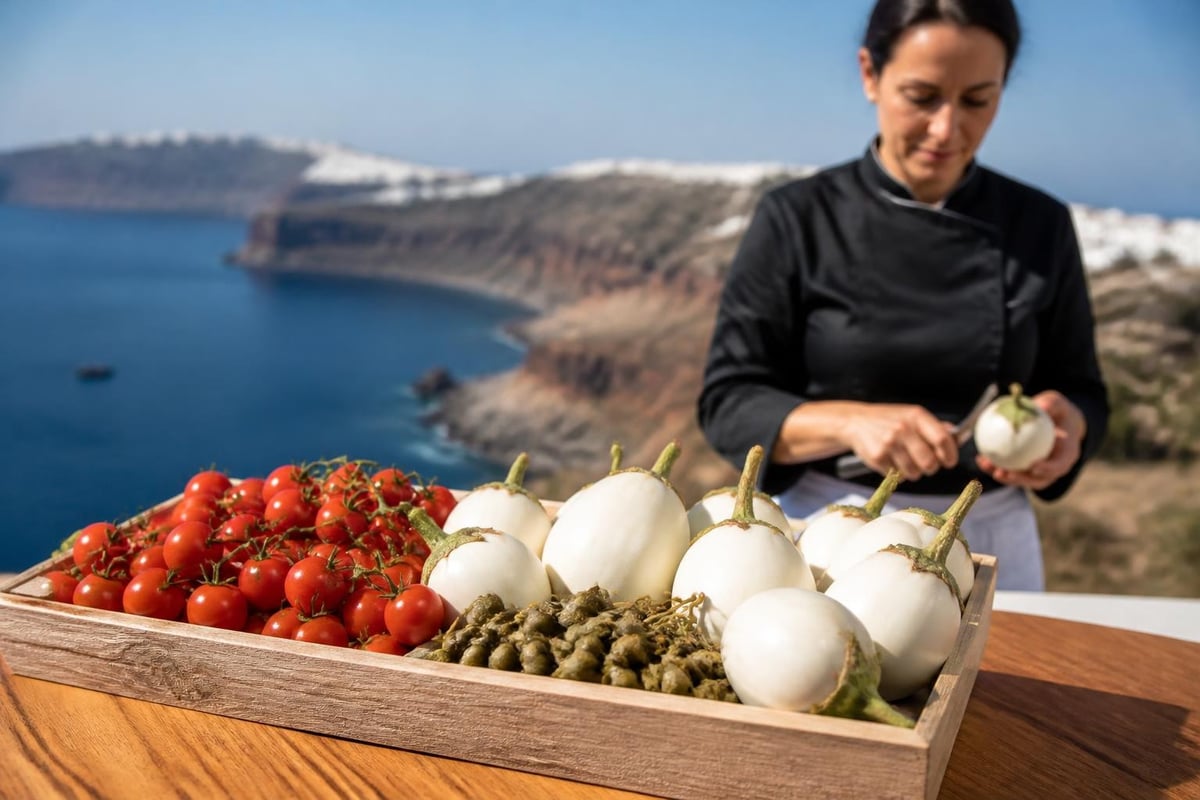
The island's volcanic soil creates an extraordinary foundation for culinary experiences. Unlike typical cooking classes in other destinations, a santorini cooking class incorporates ingredients grown in conditions found nowhere else on Earth. The volcanic terroir produces distinctive flavors in tomatoes, capers, and white eggplants that chefs worldwide attempt to replicate but never quite match.
Volcanic Terroir and Local Ingredients
Santorini's agricultural products carry the mineral-rich signature of volcanic soil. The island's famous cherry tomatoes grow small and intensely sweet, concentrating their sugars under the Mediterranean sun. Capers harvested from wild plants clinging to cliffsides deliver sharp, briny notes that elevate simple salads into memorable dishes.
The traditional kouloura vine training method demonstrates the ingenuity of Santorini's farmers. Rather than using trellises, vintners train grapevines into low basket shapes that protect delicate grapes from harsh winds while capturing morning dew. Research on Santorini’s unique growing methods reveals how these agricultural techniques directly influence the quality of ingredients used in local cuisine.
Key ingredients you'll encounter:
- Santorini tomatoes: Smaller than standard varieties with concentrated sweetness
- Fava beans: Yellow split peas transformed into creamy purées
- White eggplant: Delicate flavor without bitterness
- Capers: Hand-picked from volcanic cliffs
- Chloro cheese: Soft, fresh goat cheese
Types of Santorini Cooking Classes Available
Different class formats cater to varying interests and skill levels. Some travelers prefer market-to-table experiences, while others seek intimate sessions in traditional homes. Understanding your options helps you select the perfect culinary adventure for your Greece itinerary.
Farm-to-Table Experiences
These classes begin at local farms or vineyards where participants harvest ingredients directly from the source. You'll pick tomatoes still warm from the sun, select herbs from kitchen gardens, and sometimes participate in wine tastings before cooking begins. The connection between land and plate becomes tangible when you prepare dishes using ingredients you've just gathered.
| Class Type | Duration | Group Size | Best For |
|---|---|---|---|
| Farm-to-Table | 4-5 hours | 6-12 people | Ingredient enthusiasts |
| Traditional Home | 3-4 hours | 4-8 people | Authentic cultural immersion |
| Professional Kitchen | 2-3 hours | 8-15 people | Technique-focused learners |
| Wine & Cooking Pairing | 5-6 hours | 6-10 people | Wine lovers and foodies |
Traditional Home Cooking Sessions
Learning in a Greek grandmother's kitchen offers unmatched authenticity. These intimate santorini cooking class sessions often take place in family homes where recipes have passed through generations. You'll discover techniques that cookbooks rarely capture, like the precise moment to add olive oil to spanakopita filling or how to achieve perfectly crispy phyllo layers.
The personal stories shared during home cooking classes add depth to each recipe. Hosts explain how their families prepared these dishes during festivals, weddings, and everyday meals, creating emotional connections to the food you're preparing.
Professional Culinary Studios
Modern cooking studios provide restaurant-quality equipment and professional instruction. These classes often attract serious home cooks interested in refining their techniques. Instructors typically have formal culinary training and can explain the science behind traditional methods, bridging ancient wisdom with contemporary cooking knowledge.
Traditional Dishes You'll Learn to Prepare
A comprehensive santorini cooking class covers both iconic Greek dishes and Santorini-specific specialties. The curriculum balances appetizers, main courses, and desserts while emphasizing seasonal ingredients and traditional preparation methods.
Appetizers and Mezze
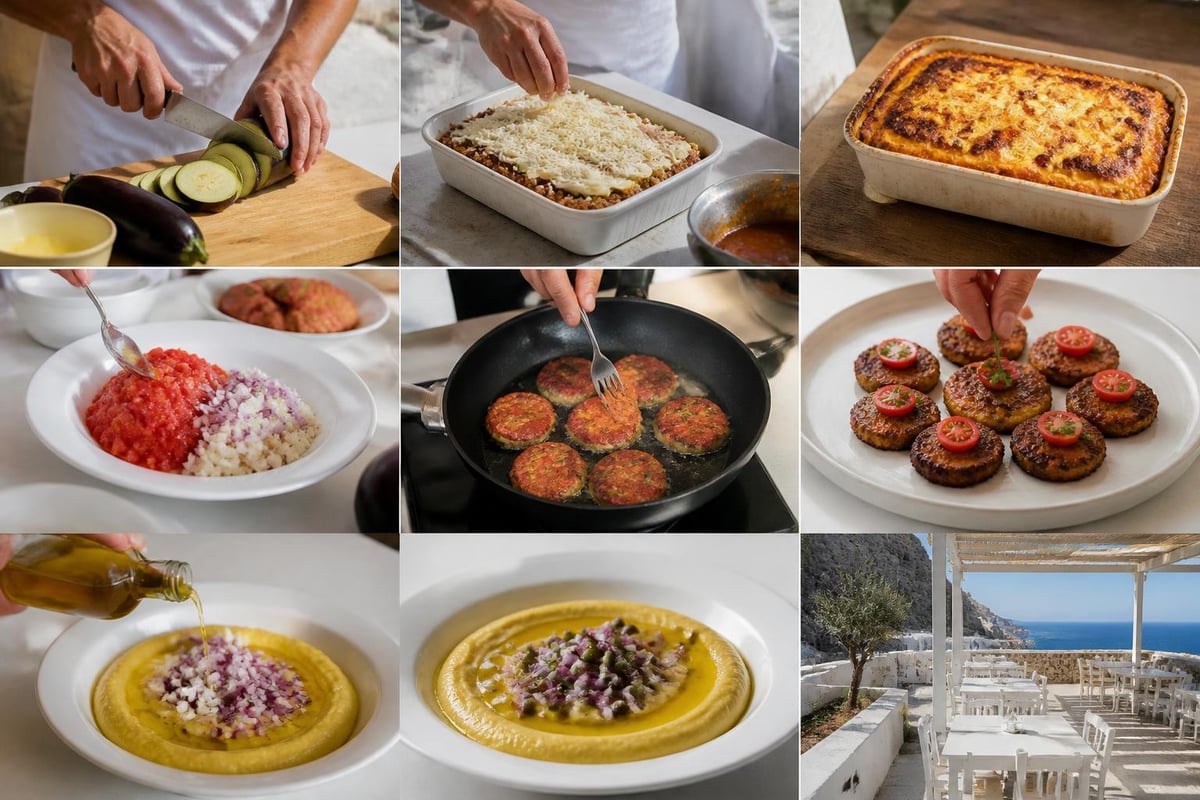
Tomatokeftedes stand out as Santorini's signature dish. These tomato fritters combine the island's sweet cherry tomatoes with fresh herbs, onions, and just enough flour to bind them together. The result delivers crispy exteriors with moist, flavorful centers bursting with concentrated tomato essence.
Fava represents another cornerstone of Santorini cuisine. This creamy yellow split pea purée showcases simplicity at its finest. Topped with caramelized onions, capers, and premium olive oil, fava demonstrates how minimal ingredients can create maximum impact when quality is paramount.
- Tzatziki variations: Regional differences in garlic intensity and cucumber preparation
- Dolmades: Grape leaves stuffed with rice, herbs, and sometimes ground meat
- Saganaki: Fried cheese served with lemon
- Melitzanosalata: Smoky eggplant dip
Main Courses
Moussaka preparation requires patience and technique. Layering properly salted eggplant slices with spiced meat sauce and creamy béchamel creates the harmonious textures that define this classic dish. Many classes emphasize the importance of letting moussaka rest before serving, allowing flavors to meld and layers to set.
Fresh seafood features prominently in coastal Santorini cooking. You might prepare grilled octopus marinated in olive oil and oregano, or baked fish with tomatoes, onions, and white wine. The simplicity of Greek seafood preparation lets the quality of ingredients shine without unnecessary complexity.
Desserts and Sweet Traditions
Greek desserts balance sweetness with texture and aromatic spices. Galaktoboureko combines crispy phyllo pastry with silky custard, finished with honey syrup infused with lemon and cinnamon. The contrast between crunchy layers and smooth filling creates an addictive textural experience.
Melomakarona and kourabiedes represent festive cookies traditionally prepared during holidays. Learning these recipes provides insight into Greek celebration customs and the significance of specific ingredients like orange zest, cloves, and almonds in traditional sweets.
Wine Pairing and Assyrtiko Education
No santorini cooking class feels complete without exploring the island's exceptional wines. Santorini produces some of Greece's most acclaimed wines, with Assyrtiko leading as the flagship grape variety. The volcanic soil imparts distinctive minerality while the dry climate concentrates flavors.
Understanding Assyrtiko
Contemporary wine critics celebrate Assyrtiko for its crisp acidity, citrus notes, and remarkable aging potential. This white grape thrives in Santorini's harsh conditions, developing complex flavors that complement the island's cuisine perfectly. The wine's high acidity cuts through rich dishes while its mineral character echoes the volcanic terroir.
Assyrtiko characteristics:
- Bright citrus and stone fruit flavors
- Pronounced minerality from volcanic soil
- High natural acidity
- Excellent food-pairing versatility
- Aging potential of 5-10+ years for premium bottles
Many cooking classes incorporate winery visits or dedicated wine education segments. You'll learn how to pair specific wines with the dishes you've prepared, understanding why certain combinations enhance both food and wine.
Vinsanto and Dessert Wines
Santorini's sun-dried grape wines represent centuries of winemaking tradition. Vinsanto, a sweet amber wine made from dried Assyrtiko and Aidani grapes, pairs beautifully with desserts or serves as a contemplative after-dinner drink. The production process requires patience, as grapes dry in the sun for up to 14 days before pressing.
| Wine Type | Flavor Profile | Best Paired With | Serving Temp |
|---|---|---|---|
| Assyrtiko (Dry) | Citrus, mineral, crisp | Seafood, fava, tzatziki | 45-50°F |
| Assyrtiko (Oak) | Richer, vanilla notes | Moussaka, grilled meats | 50-55°F |
| Nykteri | Complex, full-bodied | Rich fish dishes, poultry | 50-55°F |
| Vinsanto | Sweet, amber, nutty | Desserts, strong cheeses | 55-60°F |
Cultural Context and Cooking Traditions
Understanding the cultural framework surrounding Greek cuisine enriches your cooking class experience. Greek food culture emphasizes community, seasonality, and the Mediterranean lifestyle that prioritizes fresh ingredients and leisurely meals shared with loved ones.
The Philosophy of Greek Hospitality
Philoxenia, the Greek concept of hospitality, permeates every aspect of a santorini cooking class. Instructors don't simply teach recipes; they welcome you into their culinary traditions as honored guests. This generosity of spirit transforms cooking instruction into cultural exchange.
The communal nature of Greek dining influences how classes structure their sessions. Rather than individual workstations, many classes encourage collaborative cooking where participants work together, mirroring how Greek families traditionally prepare large meals for gatherings and celebrations.
Seasonal Cooking and Sustainability
Santorini's limited water resources and harsh growing conditions have fostered sustainable agricultural practices over millennia. Your cooking class likely emphasizes seasonal eating and resourcefulness, showing how Greek cooks historically maximized limited ingredients through clever techniques and minimal waste.
Traditional preservation methods like sun-drying tomatoes, curing capers in sea salt, and preserving vegetables in olive oil demonstrate practical sustainability. These techniques, born from necessity, now appeal to modern cooks seeking to reduce food waste and extend seasonal bounty.
Planning Your Santorini Cooking Class Experience
Selecting the right class requires considering timing, location, and your specific interests. Advance booking becomes essential during peak summer months when popular classes fill quickly. Many travelers appreciate how cooking classes provide respite from crowded tourist sites while offering equally authentic cultural experiences.
Best Times to Book
Spring (April-May) and fall (September-October) offer ideal conditions for cooking classes. Moderate temperatures make outdoor cooking more comfortable, and markets overflow with seasonal produce. Additionally, smaller class sizes during shoulder seasons allow for more personalized instruction and interaction.
Summer classes accommodate the high visitor season but may feel rushed or crowded. However, the abundance of tomatoes, peppers, and eggplants during July and August showcases Mediterranean produce at its peak.
What to Bring and Expect
Most classes provide aprons, recipes, and necessary equipment. Comfortable, casual clothing works best, as you'll be actively cooking and potentially visiting markets or farms. Closed-toe shoes offer safety in kitchen environments.
Come prepared to:
- Stand for extended periods during cooking
- Taste ingredients and adjust seasonings
- Ask questions about techniques and traditions
- Take notes on recipes and methods
- Enjoy the meal you've prepared with fellow participants
Photography is typically welcome, though your instructor may request you focus on cooking during critical technique demonstrations. Many classes conclude with recipe booklets or digital recipe collections you can reference at home.
Combining Classes with Other Experiences
A santorini cooking class integrates beautifully into broader itineraries. Morning classes leave afternoons free for exploring archaeological sites, while evening sessions conclude with sunset dining featuring your prepared dishes. Some travelers enjoy comparing culinary experiences across multiple Greek islands, much like visitors might explore diverse coastal regions when they plan comprehensive beach getaways that span different areas.

Pairing a cooking class with winery tours creates a comprehensive food and wine day. National Geographic highlights Santorini’s food culture within the broader context of Greek island tourism, recognizing how culinary experiences enhance travel memories and cultural understanding.
Skills You'll Take Home
The techniques learned in a santorini cooking class extend well beyond Greek cuisine. Many fundamental skills apply across Mediterranean and global cooking styles, making your investment in culinary education valuable for years to come.
Transferable Cooking Techniques
Working with phyllo pastry requires patience and gentle handling, skills that translate to other delicate pastry work. You'll master keeping phyllo moist while working, brushing with butter or oil between layers, and achieving crispy, golden results. These techniques apply whether you're preparing Greek spanakopita or Middle Eastern baklava.
Layering flavors represents a cornerstone of Greek cooking. You'll discover how to build complexity through proper seasoning at each cooking stage, understanding when to add herbs, how salt enhances other flavors, and why quality olive oil makes a measurable difference in finished dishes.
Grilling and roasting vegetables to maximize their natural sweetness becomes second nature after Greek cooking instruction. The Mediterranean approach to vegetables as main attractions rather than afterthoughts can revolutionize your home cooking repertoire.
Ingredient Selection and Quality
Learning to identify quality ingredients transforms grocery shopping and cooking outcomes. Your instructor will share tips for selecting olive oil, choosing fresh herbs, and evaluating produce quality. Understanding the difference between mass-produced and artisanal products helps you make informed purchasing decisions.
The Greek emphasis on minimal intervention with high-quality ingredients provides a refreshing contrast to overly complicated recipes. You'll gain confidence in simple preparations that highlight ingredient quality rather than masking it with excessive seasoning or complex techniques.
Making Authentic Greek Food at Home
Recreating Santorini flavors in your home kitchen requires sourcing appropriate ingredients and adapting techniques to available equipment. While you can't replicate volcanic soil, you can apply the principles learned during your santorini cooking class to achieve authentic results.
Ingredient Substitutions and Sourcing
Greek specialty stores and online retailers make authentic ingredients increasingly accessible. Quality Greek olive oil forms the foundation of successful Greek cooking at home. Invest in extra virgin varieties from reputable producers, ideally from Greece, to ensure authentic flavor profiles.
For hard-to-find ingredients, consider these substitutions:
- Santorini tomatoes: Use the sweetest cherry or grape tomatoes available, or look for heirloom varieties
- Greek oregano: Purchase from Greek importers, as Mediterranean oregano differs significantly from Mexican varieties
- Feta cheese: Seek authentic Greek feta made from sheep's milk or sheep-goat milk blends
- Phyllo dough: Frozen phyllo from Greek brands works well when fresh isn't available
Building relationships with specialty food importers expands your ingredient access. Many cooking class participants discover online communities dedicated to Greek cooking where members share sourcing tips and recipe variations.
Recipe Adaptation Strategies
Home ovens and stovetops may require temperature or timing adjustments compared to professional equipment used in classes. Keep detailed notes during your santorini cooking class about visual and textural cues rather than relying solely on temperatures and times. Learning to recognize when eggplant reaches proper doneness or when béchamel achieves ideal consistency proves more valuable than rigid adherence to specific measurements.
Adaptation tips:
- Reduce recipes proportionally for smaller households
- Adjust cooking times based on your equipment's heat distribution
- Modify seasoning to personal preference while respecting authentic flavor profiles
- Substitute ingredients thoughtfully, considering flavor and texture impacts
- Practice techniques multiple times to build muscle memory
Health Benefits of Mediterranean Cooking
The santorini cooking class experience introduces you to one of the world's healthiest dietary patterns. The Mediterranean diet, which Greek cuisine exemplifies, has been extensively studied for its cardiovascular benefits, longevity promotion, and disease prevention properties.
Nutritional Advantages
Greek cooking's reliance on olive oil as the primary fat source provides monounsaturated fatty acids that support heart health. The abundance of vegetables, legumes, and whole grains delivers fiber, vitamins, and minerals while keeping dishes satisfying without excessive calories.
Fresh herbs like oregano, thyme, and basil contribute antioxidants and anti-inflammatory compounds. The liberal use of garlic and onions adds both flavor and health-promoting sulfur compounds. Even moderate wine consumption, particularly when enjoyed with meals in the Mediterranean tradition, has been associated with certain health benefits.
Mediterranean diet principles:
- Emphasize plant-based foods
- Use olive oil as the primary fat
- Eat fish and seafood regularly
- Consume moderate amounts of dairy and poultry
- Limit red meat to occasional consumption
- Flavor with herbs and spices rather than excessive salt
- Enjoy meals with others in a relaxed setting
The cooking techniques taught in classes typically preserve nutrients better than frying or heavy processing. Grilling, roasting, and light sautéing maintain vegetable integrity while developing complex flavors through caramelization and Maillard reactions.
Lifestyle Components
Beyond specific foods, Greek cooking classes illuminate the lifestyle aspects that contribute to Mediterranean wellness. The emphasis on leisurely meals, social dining, and seasonal eating patterns creates a holistic approach to nourishment that extends beyond nutrition into quality of life.
Understanding these cultural contexts helps you implement not just Greek recipes but the philosophy underlying them. This comprehensive approach to food and eating may prove as valuable as any specific dish you learn to prepare during your culinary education in Santorini.
A Santorini cooking class offers far more than recipe instruction; it provides cultural immersion, skill development, and lasting memories of Greek culinary traditions. The combination of unique ingredients, time-honored techniques, and warm hospitality creates an experience that deepens your appreciation for Mediterranean cuisine. Whether you're planning your first visit to Greece or returning to explore new facets of its culture, Hellenic Holidays specializes in crafting personalized Greek itineraries that incorporate authentic experiences like cooking classes alongside iconic destinations, ensuring your journey captures the essence of Greek hospitality and tradition.