
Santorini Greece: Complete Guide to the Aegean Gem
The crescent-shaped silhouette of Santorini Greece rises dramatically from the Aegean Sea, a testament to one of history's most powerful volcanic eruptions. This island destination captivates travelers with its iconic white-washed buildings perched on cliffsides, deep blue church domes, and sunsets that paint the sky in shades of amber and rose. Beyond the postcard-perfect imagery lies a destination rich in archaeological significance, world-class viticulture, and geological wonders that continue to fascinate scientists and visitors alike. Whether you're planning a romantic honeymoon, seeking cultural immersion, or drawn to the island's dramatic natural beauty, understanding what makes Santorini special helps transform a simple vacation into an unforgettable journey through one of the Mediterranean's most extraordinary landscapes.
The Volcanic Heart of Santorini Greece
The story of Santorini Greece begins approximately 3,600 years ago with the Minoan eruption, one of the largest volcanic events in recorded history. This catastrophic explosion didn't just reshape the island's geography but created the stunning caldera that defines its present-day appearance.
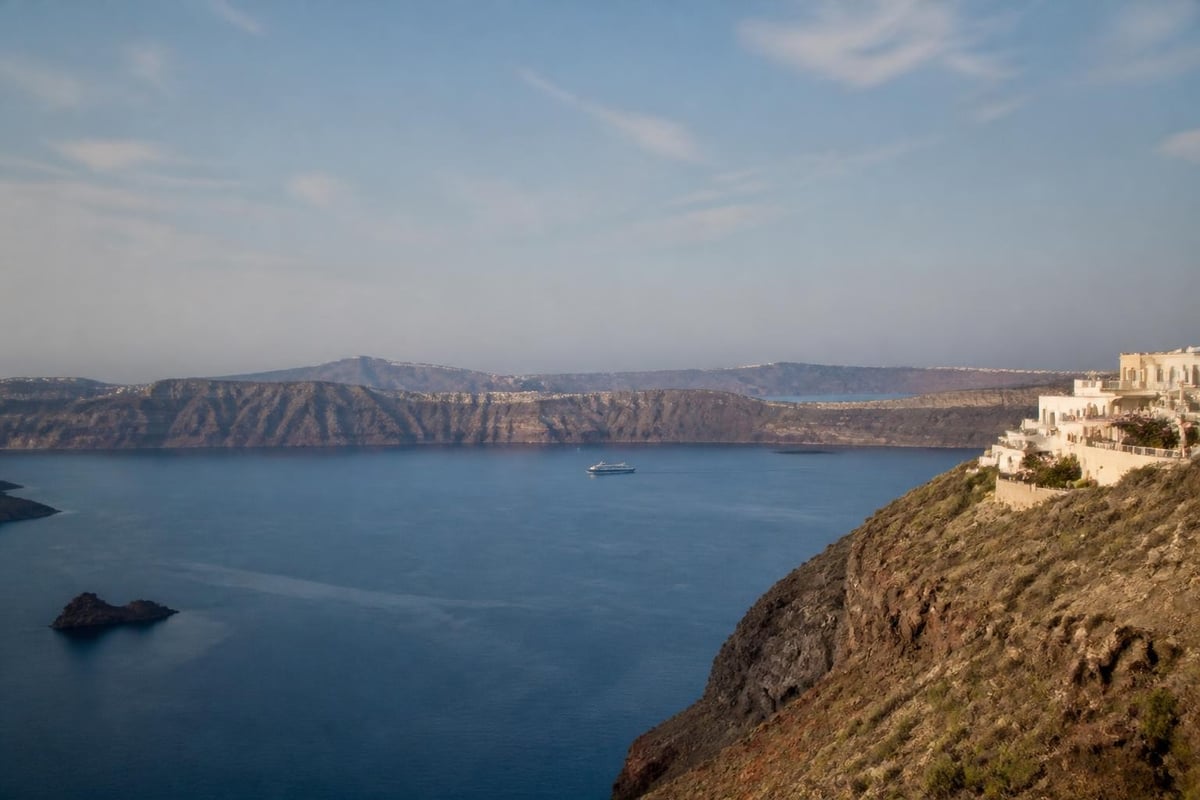
The caldera stretches nearly 12 kilometers across, with cliffs rising up to 300 meters above sea level. At the center, the volcanic islands of Nea Kameni and Palea Kameni continue to show signs of geothermal activity, offering visitors the unique opportunity to witness an active volcanic landscape. NASA’s Earth Observatory has documented Santorini’s underwater volcanic worlds, revealing the complex geological processes that continue to shape this dynamic environment.
Recent scientific research has uncovered fascinating details about the island's geological past. Studies published in Nature Communications have reconstructed Santorini’s hydrothermal history using sediment cores and microbial evidence, providing insights into the prolonged periods of underwater volcanic activity that followed the Minoan eruption.
Understanding the Caldera Experience
Visitors to Santorini Greece can explore the volcanic landscape in several ways:
- Caldera boat tours that circle the submerged crater
- Hiking excursions to Nea Kameni's volcanic crater
- Hot springs swimming near Palea Kameni
- Sunset sailing along the caldera rim
- Cable car or donkey rides connecting Fira to the old port
The geological significance extends beyond tourism. Oxford University researchers have revealed that Santorini's hydrothermal past provides crucial data for understanding volcanic systems worldwide, making the island an important natural laboratory for earth scientists.
Iconic Villages and Architecture
Santorini Greece showcases some of the Mediterranean's most distinctive architectural traditions, shaped by both volcanic geology and practical necessity. The island's settlements cling to cliffsides, their white-washed facades creating a striking contrast against the dark volcanic rock and azure sea.
Fira: The Vibrant Capital
Fira serves as Santorini's bustling capital, perched 260 meters above the caldera. This town balances commercial energy with stunning natural beauty, offering everything from luxury boutiques to traditional tavernas. The winding pedestrian streets reveal Orthodox churches with blue domes, museums housing Minoan artifacts, and countless viewpoints overlooking the caldera.
The architecture here demonstrates ingenious adaptation to the volcanic terrain. Cave houses, carved directly into the pumice cliffs, maintain naturally cool temperatures during summer months while providing earthquake-resistant structures.
Oia: Sunset Central
At the island's northern tip, Oia has become synonymous with Santorini Greece sunsets. Each evening, visitors gather along the castle ruins and clifftop pathways to witness the sun descending into the Aegean. While crowds can be substantial during peak season, the spectacle justifies its reputation.
| Village | Best For | Key Features | Crowd Level |
|---|---|---|---|
| Fira | Shopping, nightlife, accessibility | Museums, cable car, central location | High |
| Oia | Sunset views, photography | Castle ruins, art galleries, luxury hotels | Very High |
| Imerovigli | Romantic escapes, hiking | Skaros Rock, quieter atmosphere | Medium |
| Pyrgos | Traditional character, wine | Medieval castle, authentic tavernas | Low |
| Megalochori | Local culture, wineries | Preserved architecture, wine caves | Low |
Hidden Gems Beyond the Caldera
Santorini Greece extends beyond its famous western edge. The eastern coast and inland villages offer different perspectives on island life:
Perissa and Kamari feature black sand beaches formed from volcanic minerals, providing a stark contrast to the caldera-facing villages. These beach towns attract families and water sports enthusiasts, with a more relaxed, less tourist-intensive atmosphere.
Pyrgos, the island's medieval capital, sits at Santorini's highest point. Its narrow lanes spiral upward toward a Venetian castle, offering panoramic views without the caldera crowds. Traditional kafenions (coffee houses) host locals engaged in animated conversations, providing authentic glimpses of daily island life.
Santorini's Wine Heritage
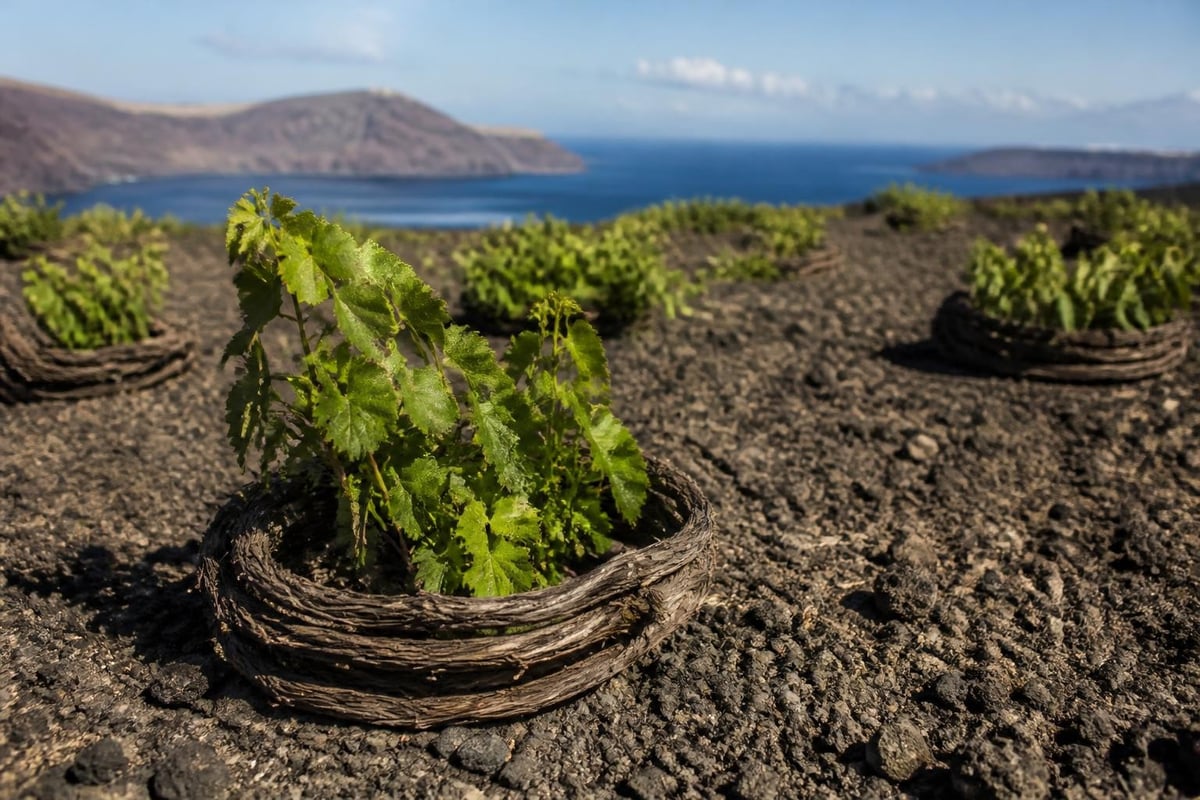
The volcanic soil of Santorini Greece creates extraordinary conditions for viticulture. Assyrtiko, the island's signature white grape, thrives in the mineral-rich earth, producing wines with distinctive minerality and crisp acidity that have earned international recognition.
The Kouloura System
Santorini's winemakers developed the kouloura training method, shaping vines into low basket formations that protect grapes from strong Aegean winds and intense summer sun. This UNESCO-protected technique, practiced nowhere else in the world, allows vines to survive without irrigation in the island's arid climate.
The volcanic terroir imparts unique characteristics to Santorini wines. Assyrtiko grapes develop high natural acidity despite the Mediterranean heat, creating balanced wines with aging potential that rivals many European whites. Recent awards highlighted in Decanter showcase Santorini's growing reputation among wine critics and sommeliers.
Wine Tourism Experiences
Visiting Santorini's wineries provides cultural enrichment beyond simple tastings:
- Estate Canava Tours explore traditional underground wine caves carved into volcanic rock
- Vineyard Walking Tours explain the kouloura system and volcanic soil composition
- Food Pairing Sessions match local wines with Santorinian specialties like fava and tomatokeftedes
- Sunset Tastings combine caldera views with premium wine selections
- Harvest Experiences (August-September) allow participation in traditional grape picking
Vinsanto, Santorini's legendary dessert wine, undergoes sun-drying and barrel aging that can extend decades. This amber-colored nectar represents the pinnacle of the island's winemaking tradition, with vintage bottles commanding premium prices at international auctions.
Planning Your Santorini Greece Visit
Timing significantly impacts the Santorini experience. Understanding seasonal variations helps travelers align their visit with personal preferences and travel goals.
Seasonal Considerations
Peak Season (June-September) brings guaranteed sunshine, full restaurant and hotel operations, and vibrant energy. However, this period also means:
- Maximum crowds at sunset viewpoints and popular restaurants
- Premium accommodation rates, often double shoulder season prices
- Advance reservations essential for quality dining and activities
- Ferry and flight schedules at maximum frequency
Shoulder Season (April-May, October) offers compelling advantages for many visitors. Temperatures remain pleasant for swimming and sightseeing, while crowd levels decrease substantially. Many travelers find this period ideal for photography, as the light quality remains excellent without the summer haze.
Off-Season (November-March) transforms Santorini Greece into a quieter destination. While many tourist-oriented businesses close, the island reveals its authentic character. Locals reclaim their villages, traditional festivals occur without tourist audiences, and accommodation rates drop significantly. Lonely Planet’s comprehensive guide provides detailed month-by-month breakdowns for planning purposes.
Transportation and Logistics
Getting around Santorini requires advance planning, as the island's compact size doesn't necessarily mean easy navigation:
| Transport Option | Best For | Considerations | Approximate Cost |
|---|---|---|---|
| Rental Car/ATV | Independence, exploring | Narrow roads, parking challenges | €35-60/day |
| Local Bus | Budget travel | Limited routes, crowded in summer | €1.80-2.40/trip |
| Taxi | Direct routes, convenience | Limited availability, expensive | €15-40/trip |
| Private Transfer | Airport/port pickups, comfort | Must pre-book | €30-50/transfer |
| Walking | Village exploration | Steep paths, summer heat | Free |
Airport Considerations: Santorini's airport handles significant summer traffic, with connections to Athens operating year-round and direct international flights during peak months. Booking flights well in advance secures better rates and schedules.
Ferry Connections: The island maintains regular ferry service to Athens (Piraeus and Rafina ports), Mykonos, Crete, and other Cycladic islands. High-speed ferries reduce travel time but cost more than conventional options.
Culinary Traditions and Local Flavors
Santorini Greece cultivates unique agricultural products shaped by volcanic soil and minimal rainfall. These ingredients form the foundation of the island's distinctive cuisine, which deserves equal attention to the famous views.
Signature Santorinian Products
Fava, despite its name, comes from yellow split peas rather than fava beans. This creamy purée appears on every traditional taverna menu, typically garnished with capers, onions, and olive oil. The volcanic soil produces fava with exceptional sweetness and smooth texture.
Cherry tomatoes grown in Santorini concentrate intense flavor due to the lack of irrigation. Smaller and sweeter than conventional varieties, these tomatoes star in local specialties like tomatokeftedes (tomato fritters) and domata gemista (stuffed tomatoes).
White eggplant, another volcanic soil specialty, contains fewer seeds and less bitterness than purple varieties. Chefs prepare them in various ways, from simple grilling to elaborate moussakas.
Dining Experiences Worth Seeking
Beyond standard tourist restaurants, Santorini offers culinary experiences that connect visitors to authentic island culture:
- Traditional kafenions in Pyrgos and Megalochori serve home-cooked meals to locals and informed visitors
- Winery restaurants pair estate wines with creative dishes using Santorinian ingredients
- Cooking classes teach traditional recipes in village homes or professional kitchens
- Market visits to Fira's morning market reveal seasonal produce and local specialties
- Sunset dining at caldera-edge restaurants combines exceptional views with upscale cuisine
Fresh seafood dominates menus, with daily catches prepared simply to highlight quality. Octopus, grilled or marinated, appears frequently alongside sea bream, red mullet, and langoustines from surrounding Aegean waters.
Beaches and Coastal Activities
The volcanic origins of Santorini Greece created beaches unlike anywhere else in the Mediterranean. Black, red, and white sand beaches provide distinctive swimming and sunbathing experiences, each with unique characteristics.
Beach Options Across the Island
Perissa stretches along the southeastern coast with black volcanic sand that becomes extremely hot under summer sun. Beach bars, water sports rentals, and tavernas line the promenade, creating a lively beach town atmosphere. The dramatic cliff of Mesa Vouno rises at the beach's edge, topped by ancient Thera's ruins.
Kamari, north of Perissa, offers similar black sand with slightly more developed infrastructure. This beach attracts families and couples seeking organized facilities alongside natural beauty.
Red Beach (Kokkini Paralia) near Akrotiri draws photographers and adventurers to its rust-colored cliffs and matching sand. Access requires navigating a rocky path, and the beach remains relatively small and crowded during peak season. The dramatic geology makes the effort worthwhile for many visitors.
White Beach requires boat access or challenging hiking, limiting crowds while rewarding adventurous travelers with limestone cliffs and lighter-colored sand.
Water Activities
Santorini's clear Aegean waters support various aquatic pursuits:
- Scuba diving explores underwater volcanic formations and marine life
- Snorkeling at beaches and boat tour stops reveals rocky reefs
- Kayaking along the caldera provides unique perspectives on cliff villages
- Sailing remains the quintessential Santorini experience, particularly sunset catamaran tours
- Stand-up paddleboarding works best at calmer eastern beaches
The volcanic seabed creates interesting underwater topography, though marine life diversity is moderate compared to tropical destinations.
Archaeological Treasures
Santorini Greece preserves remarkable evidence of Bronze Age civilization, offering visitors chances to explore one of the Mediterranean's most significant archaeological sites.
Akrotiri: The Minoan Pompeii
The ancient settlement of Akrotiri, buried beneath volcanic ash during the Minoan eruption, provides extraordinary insights into sophisticated Bronze Age society. Excavations reveal multi-story buildings with advanced drainage systems, vibrant frescoes depicting daily life, and imported goods indicating extensive trade networks.
Unlike Pompeii, no human remains have been discovered at Akrotiri, suggesting residents escaped before the final eruption. The preserved frescoes now housed in Athens and Fira museums showcase artistic achievement that rivals contemporary Egyptian and Mesopotamian civilizations.
A modern protective roof allows visitors to walk above the excavated streets while viewing the preserved structures below. Interpretive signage explains the site's significance, though hiring a guide enhances understanding of this remarkable place.
Ancient Thera
Perched atop Mesa Vouno mountain between Perissa and Kamari beaches, ancient Thera represents later Hellenic and Roman periods. This clifftop city contains temples, theaters, houses, and public buildings spanning several centuries of occupation.
The steep climb (or taxi ride) rewards visitors with archaeological remains and spectacular views across southeastern Santorini. The site receives fewer visitors than Akrotiri, providing quieter exploration opportunities.
Sustainable Travel Considerations
The popularity of Santorini Greece creates environmental pressures that thoughtful travelers can help mitigate. The island faces challenges including water scarcity, waste management, and overtourism during peak months.
The official Greek tourism portal promotes sustainable tourism initiatives that visitors can support through conscious choices:
Water Conservation: Santorini imports fresh water or produces it through desalination, both resource-intensive processes. Taking shorter showers, reusing towels, and avoiding unnecessary laundry reduces your environmental footprint.
Supporting Local Businesses: Choosing family-run tavernas, locally-owned hotels, and artisan shops keeps tourism revenue within island communities rather than flowing to international corporations.
Respecting Cultural Sites: Ancient ruins and traditional architecture require protection. Staying on marked paths, not climbing walls for photos, and following site rules preserves heritage for future generations.
Managing Waste: Carrying reusable water bottles, refusing single-use plastics, and properly disposing of trash helps the island manage limited landfill capacity.
Visiting During Shoulder Seasons: Spreading tourism demand across more months reduces pressure during peak periods while supporting year-round employment for island residents.
Santorini Greece rewards travelers who venture beyond the famous sunsets to discover volcanic landscapes, ancient civilizations, distinctive wines, and authentic island culture. From the dramatic caldera to hidden villages and black sand beaches, this Aegean jewel offers experiences that resonate long after departure. Hellenic Holidays specializes in crafting personalized Santorini itineraries that balance iconic highlights with authentic local encounters, ensuring your journey captures the island's full magic while matching your travel style and interests.