
Skopelos: The Hidden Greek Island Paradise
Nestled in the northwestern Aegean Sea, Skopelos stands as one of Greece's most enchanting yet relatively undiscovered islands. Part of the Northern Sporades archipelago, this verdant paradise offers travelers an authentic Greek experience far from the overwhelming crowds that characterize more famous destinations. With its dense pine forests cascading down to crystal-clear waters, traditional whitewashed architecture, and rich cultural heritage, Skopelos presents an ideal destination for those seeking genuine connection with Greek island life. The island gained international recognition as a filming location for "Mamma Mia!" yet has managed to preserve its authentic character and unhurried pace, making it perfect for travelers who appreciate natural beauty, historic sites, and intimate cultural experiences.
The Geographic Setting and Natural Beauty of Skopelos
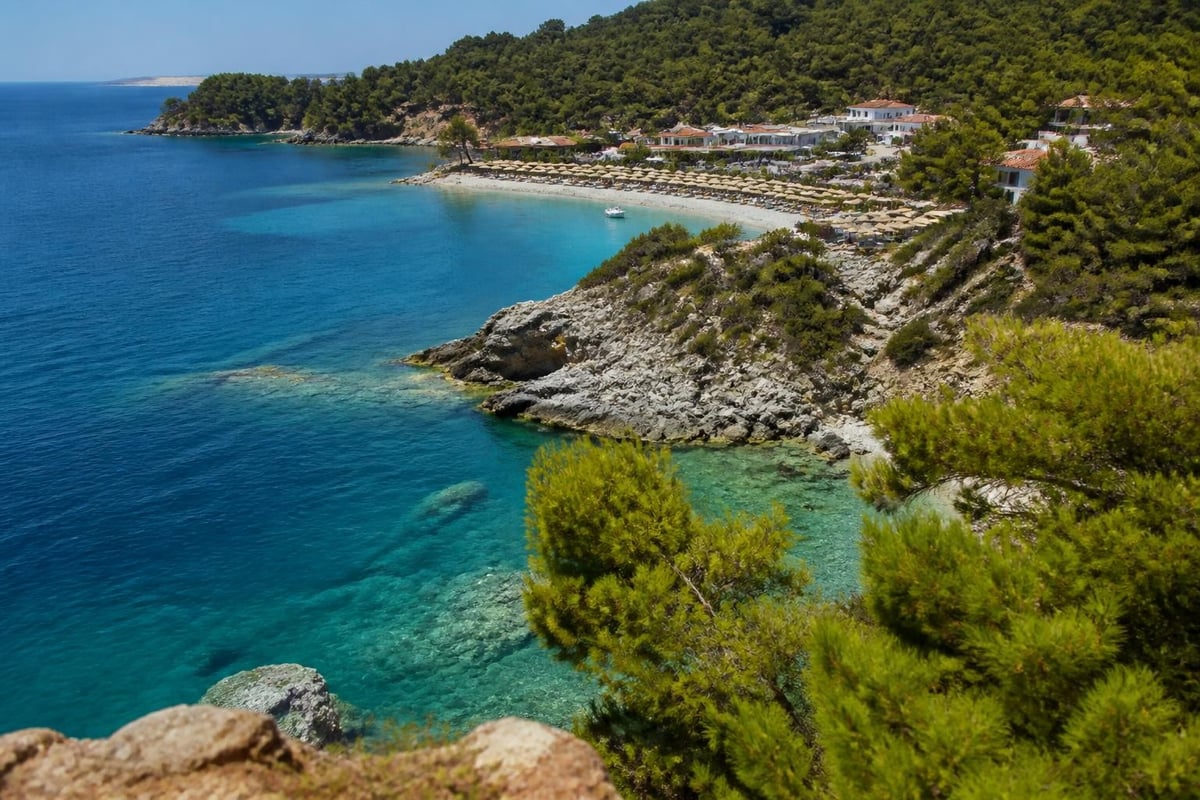
Skopelos occupies approximately 96 square kilometers in the Northern Sporades, positioned between Skiathos to the west and Alonissos to the east. The island's topography differs dramatically from the typical Greek island landscape, with over 80% of its surface covered by pine forests, olive groves, and fruit orchards.
This exceptional vegetation has earned the island recognition as one of the greenest in Greece. The combination of mountainous terrain and extensive forestation creates a microclimate that supports lush vegetation throughout the year, even during the typically dry summer months.
Coastal Features and Beach Diversity
The coastline stretches for over 67 kilometers, featuring numerous beaches and secluded coves that cater to different preferences:
- Panormos Beach: A sheltered bay with pebbles and sand, offering calm waters ideal for families
- Milia Beach: Surrounded by pine forests that reach the water's edge, providing natural shade
- Hovolo Beach: An organized beach near Skopelos Town with excellent facilities and water sports
- Limnonari: A picturesque bay accessible by boat or hiking trail, known for its pristine waters
The island's beaches range from fully organized with amenities to completely untouched stretches where visitors can experience solitude. Many beaches remain accessible only by boat or through hiking trails, preserving their natural state and offering adventurous travelers rewarding discoveries.
Historical Significance and Cultural Heritage
The history of Skopelos stretches back over 5,000 years, with archaeological evidence indicating human settlement during the Neolithic period. Ancient Greeks knew the island as Peparithos, a name that appeared in numerous classical texts and maritime records.
During the Classical and Hellenistic periods, Peparithos gained fame for producing exceptional wine that was exported throughout the ancient Mediterranean. The strategic importance of Skopelos during the Hellenistic period made it a valuable naval position, leading to periods of prosperity interrupted by conquests and pirate raids.
Byzantine and Medieval Periods
The Byzantine era brought significant development to the island, particularly in religious architecture. During this period, islanders constructed numerous churches and monasteries, many of which remain standing today. The Venetian occupation left its mark on the island's defensive structures and administrative systems.
Turkish rule lasted from the late 15th century until Greek independence in the 19th century. Despite political changes, the island maintained its Greek character, Orthodox faith, and maritime traditions throughout these centuries.
| Historical Period | Significant Developments | Lasting Impact |
|---|---|---|
| Ancient (Peparithos) | Wine production, maritime trade | Cultural identity, agricultural traditions |
| Byzantine | Church construction, religious art | Architectural heritage, spiritual significance |
| Venetian | Defensive structures, administration | Urban planning of Chora |
| Ottoman | Preservation of Greek culture | Traditional customs, language retention |
| Modern | Tourism development, film industry | Economic diversification, international recognition |
Skopelos Town: The Island's Charming Capital
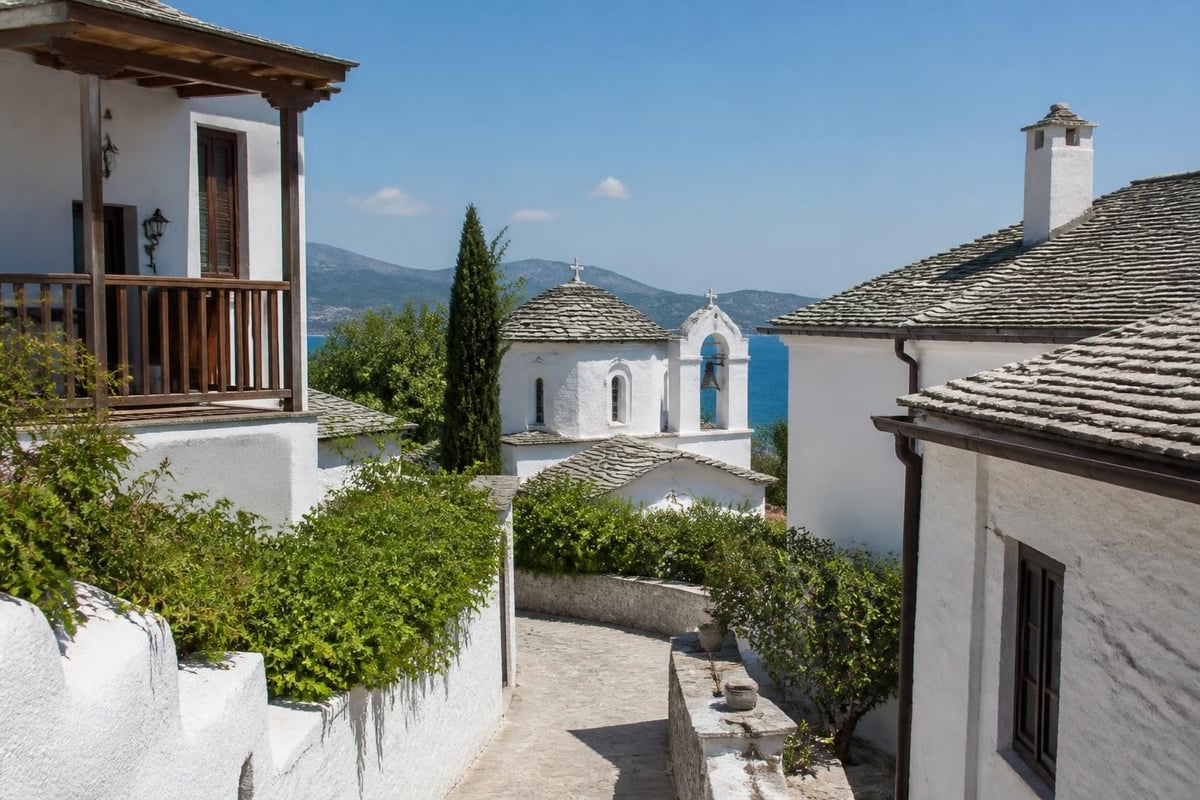
Known locally as Chora, the main town of Skopelos cascades down hillsides in an amphitheater arrangement facing the harbor. The settlement exemplifies traditional Cycladic and Sporades architecture, with white-washed houses featuring distinctive slate roofs that differentiate them from other Greek islands.
Walking through the narrow cobblestone streets reveals a living museum of traditional Greek island life. The town has preserved its authentic character despite modern developments, with local regulations protecting architectural heritage and limiting building heights.
Architectural Treasures and Religious Sites
The town hosts over 120 churches and chapels, an extraordinary number for a settlement of approximately 3,000 permanent residents. This density of religious architecture reflects the island's deep Orthodox Christian traditions and the piety of past generations who built churches as offerings of gratitude or devotion.
Notable religious sites include:
- Panagitsa of Pyrgos: An 11th-century church featuring remarkable Byzantine frescoes
- Church of Christ: Houses an impressive iconostasis with intricate wood carvings
- Zoodochos Pigi Monastery: Offers panoramic views and maintains traditional monastic practices
- Agios Ioannis Chapel: Perched dramatically on a rock outcropping, famous as a filming location
The traditional architecture extends beyond religious buildings to include merchant houses with wooden balconies, stone mansions with hidden courtyards, and waterfront warehouses converted into tavernas and shops. This architectural consistency creates a cohesive aesthetic that transports visitors to earlier centuries.
Glossa: The Northern Settlement
The second-largest village on the island, Glossa sits on the northwestern slopes overlooking the sea. This traditional settlement maintains an even more authentic atmosphere than Chora, with fewer tourists and stronger preservation of old customs.
Glossa's architecture reflects both Macedonian and traditional island influences, with two-story stone houses featuring wooden balconies and tiled roofs. The village serves as an excellent base for exploring the northern beaches and the famous Agios Ioannis chapel nearby.
Culinary Traditions and Local Specialties
The cuisine of Skopelos reflects its agricultural abundance and maritime heritage, combining fresh seafood with locally grown vegetables, fruits, and herbs. The island's culinary identity has remained remarkably authentic, with family-run tavernas serving recipes passed through generations.
Distinctive Local Products
Skopelos produces several specialty foods that travelers should seek out during their visit:
- Cheese Pie (Tyropita): Made with local cheese in a unique coiled shape, distinct from other Greek regions
- Plum Products: The island cultivates exceptional plums used for preserves, spoon sweets, and dried fruits
- Almonds: Harvested from ancient groves and used in traditional sweets and pastries
- Wild Herbs: Mountain herbs gathered for cooking and medicinal purposes
- Honey: Produced from thyme, pine, and wildflower varieties
The island maintains small-scale food production methods that prioritize quality over quantity. Visitors can purchase these products directly from producers or at local shops, supporting sustainable agriculture and bringing authentic tastes home.
Dining Experiences
Traditional tavernas concentrate along the harbor in Skopelos Town and in village squares throughout the island. These establishments prioritize fresh, seasonal ingredients prepared according to time-honored methods. Many tavernas source fish directly from local boats and vegetables from family gardens.
The dining culture emphasizes leisurely meals shared with companions, often extending late into warm summer evenings. This unhurried approach to eating reflects broader Greek values of hospitality, family, and enjoying life's simple pleasures.
The Mamma Mia Connection
The 2008 film "Mamma Mia!" brought international attention to Skopelos, using multiple island locations as filming sites. While this exposure increased visitor numbers, the island has successfully managed tourism growth without sacrificing its essential character.
Film enthusiasts can visit several recognizable locations, with the island’s connection to Mamma Mia adding an element of cinematic glamour to the natural beauty. The most iconic site remains the Agios Ioannis chapel, perched atop a dramatic rock formation requiring 199 steps to reach.
However, reducing Skopelos to merely a film location overlooks the island's deeper appeal. The qualities that attracted filmmakers-stunning natural scenery, authentic architecture, and unspoiled charm-existed long before cameras arrived and continue to define the island experience.
Natural Activities and Outdoor Recreation
The combination of forests, mountains, and coastline creates exceptional opportunities for outdoor enthusiasts. Skopelos offers activities that connect travelers with the natural environment while respecting ecological preservation.
Hiking and Nature Trails
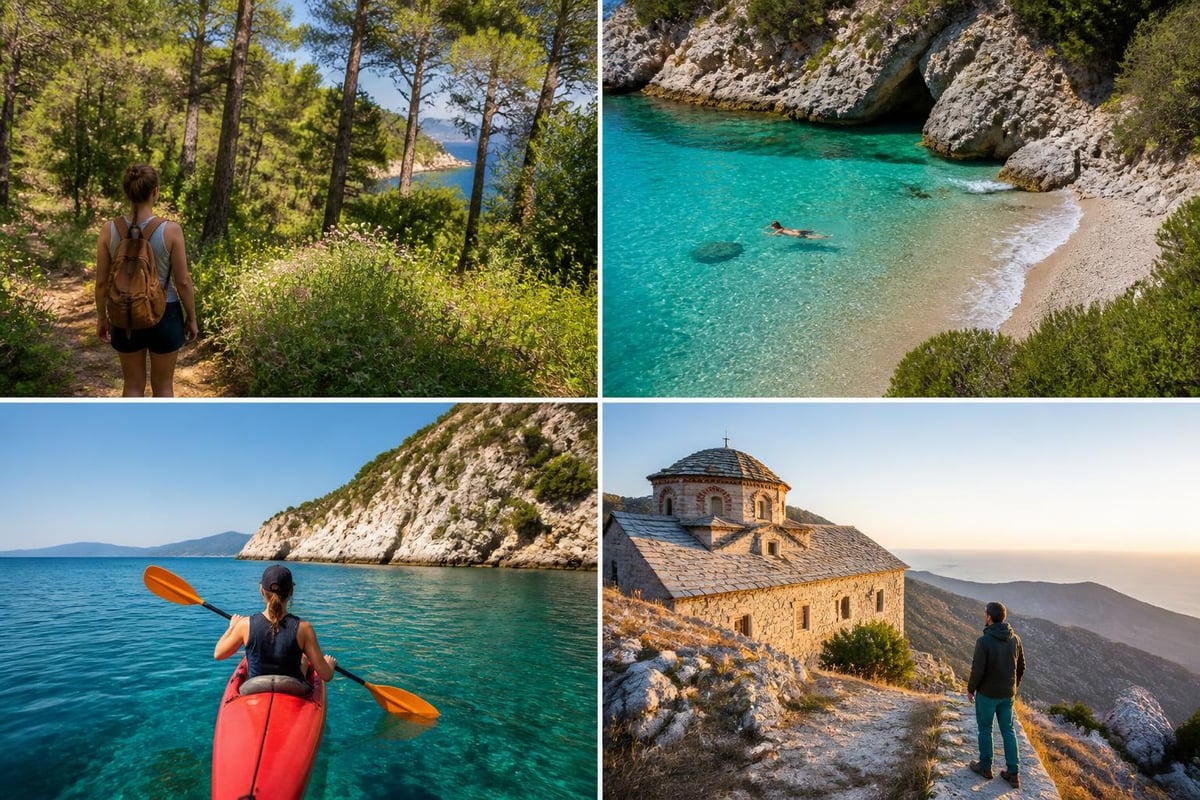
Several marked trails traverse the island, ranging from coastal paths to mountain routes through pine forests. These trails connect villages, beaches, and monasteries while offering spectacular views of the Aegean and neighboring islands.
Popular hiking routes include:
- Skopelos Town to Glossa: A traditional path through olive groves and forests (approximately 4 hours)
- Agnontas to Limnonari Beach: A coastal trail with swimming opportunities (1.5 hours)
- Stafylos to Velanio: A short but scenic route between beaches (30 minutes)
- Mountain Monastery Circuit: Visiting remote monasteries in the island's interior (various durations)
Water-Based Activities
The clear waters surrounding the island support various aquatic pursuits. Kayaking allows exploration of hidden coves inaccessible by land, while stand-up paddleboarding has grown popular in sheltered bays. Diving centers offer excursions to underwater caves and shipwrecks, revealing marine ecosystems thriving in protected waters.
Traditional boat tours circle the island, stopping at remote beaches and providing perspectives on the coastline impossible to achieve from land. These excursions often include swimming stops and occasionally feature local captains sharing stories about island history and maritime traditions.
Planning Your Visit to Skopelos
Strategic planning enhances the Skopelos experience, as the island's seasonal patterns and transportation connections influence what visitors can access and enjoy. Understanding practical considerations helps travelers maximize their time while supporting sustainable tourism practices.
Seasonal Considerations
The peak season extends from June through September, when all facilities operate fully and ferry connections run frequently. July and August bring the highest temperatures and visitor numbers, particularly in Skopelos Town and the most accessible beaches.
| Season | Advantages | Considerations | Best For |
|---|---|---|---|
| May-June | Wildflowers blooming, comfortable temperatures | Some facilities may have limited hours | Hiking, photography, cultural exploration |
| July-August | Full services, vibrant atmosphere, calm seas | Higher prices, crowded popular sites | Beach activities, water sports, nightlife |
| September-October | Warm water, fewer crowds, harvest season | Decreasing ferry frequency | Swimming, authentic local experiences |
| November-April | Authentic local life, low prices | Many hotels and restaurants closed | Off-season retreats, writing, solitude |
Spring offers particular appeal for nature enthusiasts, as wildflowers blanket hillsides and temperatures remain ideal for hiking. Autumn provides excellent swimming conditions with significantly fewer visitors, allowing more intimate experiences at beaches and historic sites.
Transportation and Accessibility
Skopelos lacks an airport, requiring visitors to reach the island by ferry. Most travelers fly into Athens or Thessaloniki, then continue to ports serving Skopelos. The primary ferry connections depart from Volos and Agios Konstantinos on the mainland, as well as from Skiathos island.
Ferry schedules vary seasonally, with multiple daily services during summer months and reduced frequency during winter. Advanced booking becomes essential during peak season, particularly for travelers with vehicles. The journey from mainland ports takes approximately 2-3 hours, offering scenic views of the Aegean and surrounding islands.
On the island, local buses connect Skopelos Town with Glossa and major beaches during summer months. Car and scooter rentals provide greater flexibility for exploring remote areas, though narrow mountain roads require careful driving. Taxis serve as an alternative, with drivers often offering island tours incorporating multiple stops.
Accommodation Options and Where to Stay
Skopelos provides diverse lodging options reflecting various budgets and travel styles. The accommodation sector has grown to meet increased demand while maintaining relatively small-scale operations that preserve the island's intimate character.
Traditional Hotels and Guesthouses
Family-run hotels and guesthouses dominate the accommodation landscape, often occupying renovated traditional buildings. These establishments typically offer personal service, local knowledge, and authentic hospitality that larger resorts cannot replicate.
Many properties feature traditional architectural elements such as wooden balconies, stone walls, and courtyards with bougainvillea. Proprietors frequently share recommendations for restaurants, beaches, and hidden attractions, functioning as informal concierges invested in guest satisfaction.
Villas and Self-Catering Properties
Villas scattered throughout the island provide privacy and independence for families or groups. These properties range from simple traditional houses to luxurious modern constructions with pools and sea views. Self-catering accommodations allow travelers to experience daily life more authentically, shopping at local markets and preparing meals with island ingredients.
For comprehensive guidance on accommodations and island navigation, resources like Awesome Travel Guides offer detailed digital guides that help travelers discover options matching their specific preferences and travel styles.
Sustainable Tourism and Cultural Respect
As visitor numbers have increased, the island community has emphasized sustainable tourism practices that protect natural resources and cultural heritage. Travelers can contribute positively by making conscious choices during their stay.
Environmental Considerations
The pristine condition of forests and beaches requires active protection. Visitors should practice Leave No Trace principles, particularly when hiking or visiting remote beaches. Proper waste disposal, avoiding single-use plastics, and respecting protected areas help preserve the island's ecological integrity.
Water conservation deserves attention, as islands face limited freshwater resources during dry summer months. Short showers, reusing towels, and reporting leaks support sustainable water management.
Supporting Local Economy
Choosing locally owned accommodations, restaurants, and shops directs tourism revenue into the community rather than to external corporations. Purchasing products from local producers, whether food, crafts, or souvenirs, supports traditional livelihoods and preserves skills passed through generations.
Engaging with cultural experiences authentically-attending local festivals, visiting working monasteries respectfully, learning basic Greek phrases-demonstrates appreciation for the island's heritage beyond superficial tourism consumption.
Beyond the Main Towns: Exploring Rural Skopelos
While Skopelos Town and Glossa attract most visitors, the island's rural areas offer glimpses into traditional agricultural life and spectacular natural scenery. Small settlements, working farms, and mountain monasteries provide alternative perspectives on island culture.
Mountain Monasteries and Hermitages
Numerous monasteries dot the island's interior, many still functioning as religious communities. These institutions preserve Byzantine art, maintain extensive libraries, and offer spiritual retreats for visitors seeking contemplation and peace.
Evangelistria Monastery, the largest religious complex on Skopelos, welcomes visitors during specific hours. The monastery produces wine and religious items while maintaining traditional monastic routines. The journey to reach these remote sites-often involving rough roads and hiking-adds to their appeal for adventurous travelers.
Agricultural Landscapes
The fertile soil supports diverse agriculture, with terraced hillsides hosting olive groves, plum orchards, and vegetable gardens. Many farms continue traditional cultivation methods, avoiding industrial agriculture in favor of sustainable practices adapted to local conditions over centuries.
Some agricultural properties welcome visitors for tours, tastings, or agricultural tourism experiences. These interactions provide understanding of how food production shapes island life and connects contemporary residents with ancestral practices.
Festivals and Cultural Events
Throughout the year, Skopelos hosts religious festivals and cultural celebrations that reveal community traditions and offer visitors authentic cultural immersion. These events combine Orthodox religious observance with social celebration, music, and traditional foods.
Major festivals include:
- Carnival (February/March): Pre-Lenten celebrations with costumes, dancing, and feasting
- Easter: The most significant Orthodox celebration, with candlelight services and traditional foods
- Agia Paraskevi Festival (July 26): Honoring the patron saint with processions and celebrations
- August 15 (Assumption of Mary): Major religious holiday celebrated throughout Greece
- Cultural Summer Events: Concerts, theater performances, and art exhibitions during tourist season
Attending festivals requires no special arrangements-visitors simply participate alongside locals in public celebrations. However, understanding basic customs regarding church behavior and festival protocols demonstrates respect for religious and cultural significance.
The Character That Defines Skopelos
What ultimately distinguishes this island from countless Mediterranean destinations is an intangible quality-an authenticity that persists despite modern tourism pressures. Skopelos remains fundamentally a Greek island where tourism supplements rather than dominates local life.
Residents maintain traditional occupations including fishing, farming, and crafts alongside tourism-related work. Children attend local schools, families gather in village squares, and seasonal rhythms continue to govern island life. This authentic functionality creates an atmosphere that perceptive travelers recognize and value.
The comprehensive overview of Skopelos culture and heritage demonstrates how geography, history, and culture interweave to create distinctive island identity. Understanding these connections enhances appreciation for what makes Skopelos special beyond its obvious physical beauty.
For travelers seeking Greece beyond tourist clichés, Skopelos delivers experiences that connect with deeper cultural currents and natural splendor. The island rewards those who approach it with curiosity, respect, and willingness to experience Greek island life as it actually exists rather than as marketing materials portray it.
Skopelos offers discerning travelers an exceptional combination of natural beauty, cultural authenticity, and unhurried Mediterranean lifestyle that creates truly memorable experiences. The island's forests, beaches, traditional architecture, and welcoming community provide the perfect setting for those seeking genuine connection with Greek culture beyond crowded tourist hotspots. Whether you're planning a romantic honeymoon, a family adventure, or a cultural exploration, Hellenic Holidays specializes in creating tailor-made itineraries that incorporate Skopelos and other remarkable Greek destinations, ensuring your journey reflects your personal interests and travel style while revealing the authentic character of Greece.