
Thessaloniki: Greece’s Cultural Capital and Hidden Gem
Greece's second-largest city often remains overshadowed by Athens and the islands, yet Thessaloniki stands as one of the Mediterranean's most compelling destinations. This vibrant metropolis in northern Greece blends 2,300 years of continuous history with contemporary energy, offering travelers an authentic Greek experience that extends beyond postcard-perfect beaches. From its UNESCO World Heritage Byzantine monuments to its thriving culinary scene and waterfront promenades, Thessaloniki rewards visitors who seek cultural depth alongside Mediterranean charm.
A Living Museum of Byzantine and Roman Heritage
Thessaloniki's historical significance stretches back to 315 BCE when King Cassander of Macedon founded the city. Named after his wife, Thessalonike (half-sister of Alexander the Great), the city quickly became a crucial commercial and strategic hub. The Roman Empire recognized its importance, making it the capital of the province of Macedonia and one of Christianity's earliest centers.
UNESCO World Heritage Sites Within City Limits
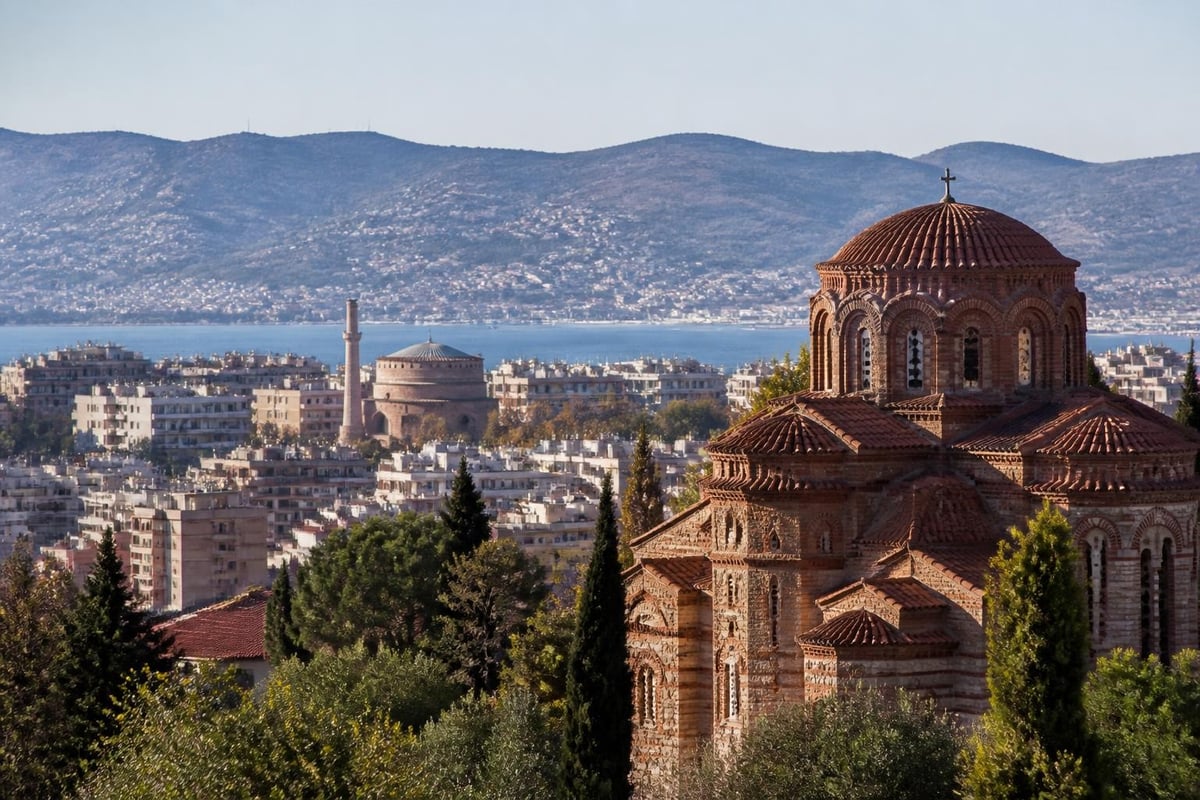
The official municipality guide showcases fifteen Byzantine monuments that collectively earned UNESCO World Heritage status in 1988. These structures represent outstanding examples of early Christian art and Byzantine architecture spanning from the 4th to the 15th centuries.
Key monuments include:
- Rotunda of Galerius: Originally constructed as a Roman mausoleum in 306 CE, later converted into a church featuring extraordinary early Christian mosaics
- Church of Agios Dimitrios: Greece's largest basilica, dedicated to the city's patron saint and housing remarkable 7th-century mosaics
- Arch of Galerius: A triumphal arch celebrating Roman victories, featuring detailed relief carvings depicting battle scenes
- Walls of Thessaloniki: Byzantine fortifications that protected the city for over a millennium
Walking through the Upper Town (Ano Poli) allows visitors to experience these layers of history within traditional neighborhoods that escaped the devastating 1917 fire. The narrow cobblestone streets, Ottoman-era houses, and panoramic views create an atmospheric journey through time.
The Crossroads of Cultures and Communities
Thessaloniki's strategic position at the crossroads of East and West shaped its multicultural character for centuries. The city became home to diverse communities including Greeks, Romans, Jews, Ottomans, and others who each contributed to its cultural fabric.
Jewish Thessaloniki and Its Legacy
For nearly five centuries, Thessaloniki hosted one of Europe's most vibrant Jewish communities. Following the expulsion from Spain in 1492, thousands of Sephardic Jews settled here, eventually comprising more than half the city's population by the early 20th century. The city earned the nickname "La Madre de Israel" (The Mother of Israel).
The United States Holocaust Memorial Museum documents this community's tragic fate during World War II. In 1943, Nazi occupation forces deported approximately 46,000 Jews from Thessaloniki to Auschwitz-Birkenau, decimating a community that had flourished for generations.
Today, the Jewish Museum of Thessaloniki and several remaining synagogues preserve this heritage. The museum occupies a restored building and houses artifacts, photographs, and documents that tell the story of Sephardic life in the city.
| Historical Period | Jewish Population | Significance |
|---|---|---|
| 1500s | Growing community | Sephardic refugees establish new life |
| Early 1900s | 50,000+ (majority) | Economic and cultural dominance |
| 1943 | 46,000 deported | Holocaust devastation |
| 2026 | ~1,200 | Small but active community |
Contemporary Cultural Vitality
Modern Thessaloniki pulses with artistic energy and intellectual life. The city's identity as a cultural capital extends beyond historical monuments into contemporary creativity, education, and innovation.
Film, Arts, and Festival Scene
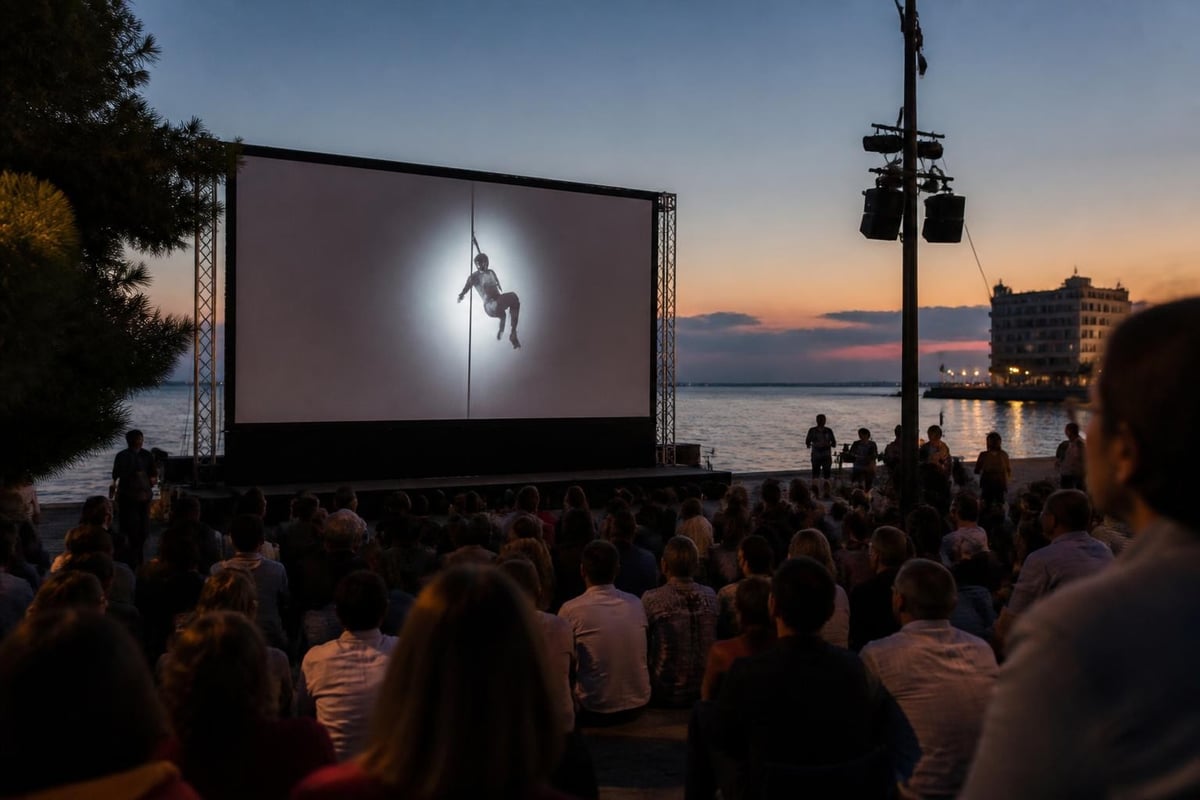
The Thessaloniki International Film Festival ranks among Europe's most prestigious cinema events. Founded in 1960, this annual November gathering attracts filmmakers, critics, and cinema enthusiasts from around the world. The festival has launched careers and introduced international audiences to groundbreaking independent films.
Beyond film, Thessaloniki hosts numerous cultural events throughout the year:
- Dimitria Festival: Multi-week celebration featuring music, theater, dance, and visual arts performances
- DocumentA Festival: Contemporary art event transforming public spaces across the city
- Thessaloniki Jazz Festival: Showcasing international and Greek jazz musicians
- Biennale of Contemporary Art: Rotating exhibitions highlighting cutting-edge artistic practices
The city's vibrant street art scene deserves special mention. Murals and installations by local and international artists transform neighborhoods into open-air galleries, particularly in areas like Ladadika and the warehouse district.
Academic Excellence and Innovation
Aristotle University of Thessaloniki stands as Greece's largest university and a major research institution. With over 70,000 students, the university creates a youthful atmosphere that infuses the city with intellectual energy. The presence of multiple universities and research centers establishes Thessaloniki as northern Greece's educational hub.
This academic environment supports a growing startup ecosystem and innovation initiatives, particularly in technology and creative industries. The city attracts young professionals seeking opportunities beyond Athens, contributing to its dynamic contemporary character.
Culinary Capital of Greece
Many food enthusiasts argue that Thessaloniki offers Greece's most exciting gastronomic scene. The city's multicultural history created a distinctive culinary tradition that blends Greek, Ottoman, Balkan, and Jewish influences.
Traditional Specialties and Modern Innovation
Thessaloniki's food culture centers around the bougatsa, a phyllo pastry filled with sweet custard or savory cheese, best enjoyed fresh and warm from traditional bakeries. The city claims this delicacy as its signature dish, and locals debate fiercely about which establishment makes the authentic version.
Other culinary highlights include:
- Trigona panoramatos: Triangular phyllo pastries filled with custard cream, originating from the Panorama suburb
- Soutzoukakia: Spiced meatballs in tomato sauce, reflecting the city's Ottoman culinary heritage
- Tsoureki: Sweet brioche bread, particularly associated with Easter but available year-round
- Fresh seafood: Daily catches from the Thermaic Gulf prepared in traditional and contemporary styles
The Modiano Market, a covered marketplace built in 1922, serves as the city's culinary heart. Here, vendors sell fresh produce, fish, meat, spices, and specialty items. The surrounding streets host numerous tavernas and ouzeries where locals gather for mezze and conversation.
Recent years have witnessed a surge in innovative restaurants where young chefs reinterpret traditional recipes using modern techniques and local ingredients. This culinary renaissance positions Thessaloniki as a destination for serious food travelers.
The Waterfront Promenade and Social Life
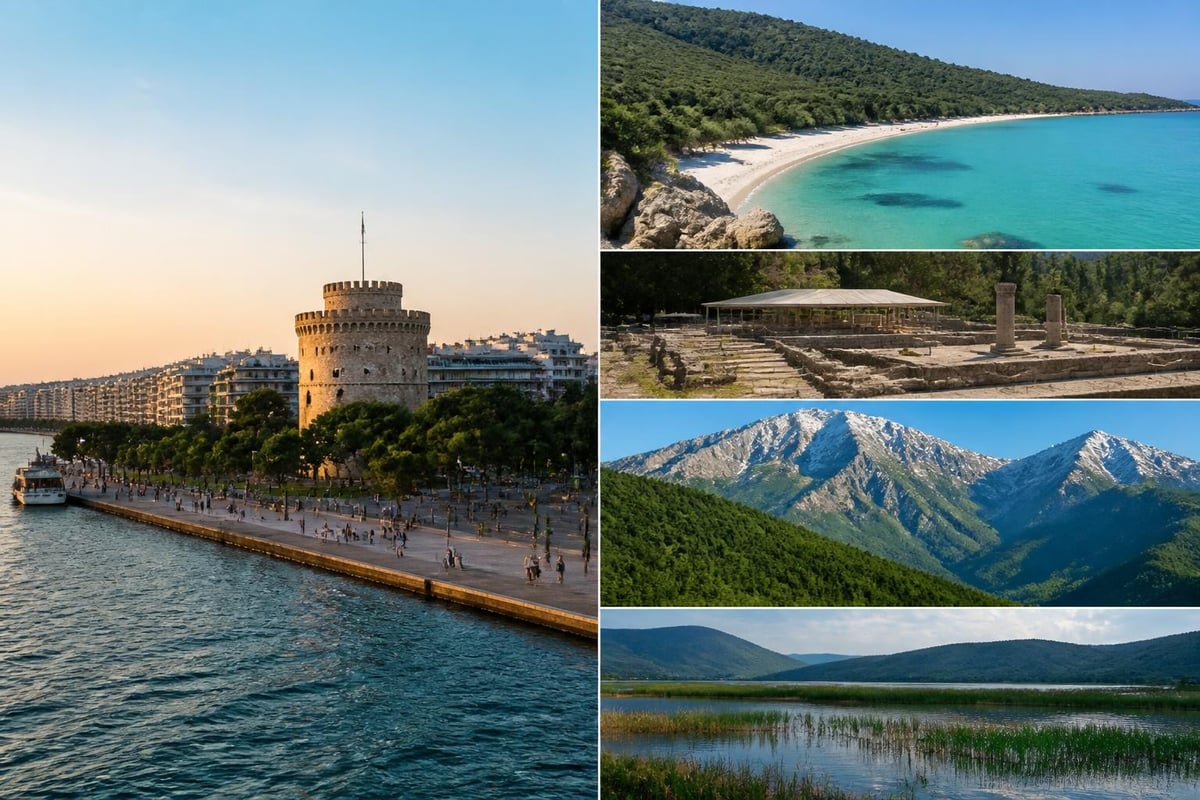
The Nea Paralia (New Waterfront) stretches for several kilometers along the Thermaic Gulf, creating the city's social gathering space. This redeveloped promenade features gardens, playgrounds, cafes, and public art installations. Locals and visitors alike stroll, jog, cycle, or simply sit by the sea, especially during the evening volta (traditional walk).
The waterfront area includes numerous cafes and bars where Thessaloniki's famous coffee culture thrives. Greeks spend hours over a single cup, engaged in conversation and people-watching. This social ritual defines daily life in the city.
Strategic Economic Position and Modern Development
Thessaloniki's geographical location continues to drive its economic importance in southeastern Europe. The city serves as a crucial gateway between the European Union and the Balkans, Turkey, and the broader Eastern Mediterranean region.
Port Operations and Trade Networks
The Thessaloniki Port Authority reports significant growth in cargo handling and cruise ship traffic. As Greece's second-largest port, it handles diverse cargo including containers, automobiles, and bulk goods. The port's strategic position makes it a key logistics hub for landlocked Balkan countries seeking Mediterranean access.
Recent infrastructure investments have expanded capacity and improved efficiency. The port's development ties directly to broader regional economic integration and the revival of historic trade routes.
Demographics and Urban Development
According to recent statistical data from the Hellenic Statistical Authority, the greater Thessaloniki metropolitan area is home to over one million residents, making it Greece's second-largest urban center. The city's population shows relative stability with slight growth, contrasting with demographic challenges facing many Greek cities.
Urban renewal projects have transformed formerly industrial areas into mixed-use neighborhoods. The eastern waterfront development and the planned metropolitan railway system (currently under construction) will significantly enhance connectivity and quality of life.
Ancient Routes and Cultural Tourism Networks
Thessaloniki's historical role as a junction point on major trade and pilgrimage routes continues to influence its tourism development. The city served as a crucial stop on the Via Egnatia, the Roman road connecting Dyrrhachium (modern Albania) to Byzantium (Constantinople).
The Cultural Egnatia route maps archaeological sites and cultural landmarks along this ancient pathway. This initiative positions Thessaloniki within broader heritage tourism networks that span multiple countries and millennia of history.
For travelers, this context means Thessaloniki works perfectly as part of multi-destination itineraries exploring northern Greece, the Macedonian region, and beyond. The city's airport and port connections facilitate journeys to nearby attractions.
Day Trips and Regional Exploration
Thessaloniki serves as an excellent base for exploring northern Greece's diverse attractions:
- Halkidiki Peninsula: Three finger-like peninsulas offering beautiful beaches and the monastic community of Mount Athos
- Vergina: Archaeological site featuring royal Macedonian tombs, including that of Philip II (Alexander the Great's father)
- Pella: Ancient Macedonian capital with impressive floor mosaics
- Mount Olympus: Greece's highest mountain and mythological home of the gods, accessible for hiking
- Prespa Lakes: Pristine natural environment on the borders with Albania and North Macedonia
These excursions combine easily with time in the city, creating varied experiences that appeal to different interests.
Practical Considerations for Visitors
Understanding Thessaloniki's rhythm helps travelers maximize their experience. The city operates on Mediterranean time, with late dinners (9 PM or later), afternoon siestas during summer, and lively nightlife extending past midnight.
Best Times to Visit
| Season | Temperatures | Advantages | Considerations |
|---|---|---|---|
| Spring (April-May) | 15-25°C (59-77°F) | Pleasant weather, fewer crowds, festivals | Variable rainfall |
| Summer (June-August) | 25-35°C (77-95°F) | Beach access, extended hours, outdoor events | Heat, peak prices |
| Fall (September-October) | 20-28°C (68-82°F) | Film festival, comfortable weather, harvest season | Fewer beach days |
| Winter (November-March) | 5-15°C (41-59°F) | Authentic local life, lower prices, cultural events | Cold, rain, shorter days |
The shoulder seasons (spring and fall) generally offer the best balance of weather, prices, and cultural activities. September and October particularly shine, with warm days, comfortable evenings, and major festivals including the International Film Festival.
Navigating the City
Thessaloniki's compact center allows exploration on foot, though the city's hills can challenge visitors. The bus network covers the metropolitan area efficiently, while taxis and ride-sharing services provide convenient alternatives.
The city's street grid follows a modern plan implemented after the 1917 fire destroyed much of the old town. Egnatia Street runs east-west through the center, while Tsimiski Street parallels it closer to the waterfront as the main shopping thoroughfare.
Accommodation options range from luxury hotels along the waterfront to boutique properties in historic buildings and budget-friendly options near the universities. Each neighborhood offers distinct character, from the nightlife-focused Ladadika to the traditional atmosphere of Ano Poli.
Living Local in Greece's Second City
What sets Thessaloniki apart from more tourist-oriented Greek destinations is its authenticity. This remains a living city where locals outnumber visitors, businesses cater primarily to residents, and traditions continue naturally rather than as performance.
The kafeneio (traditional coffee house) culture thrives in neighborhood squares where older men gather for coffee and backgammon. Ouzeries fill with groups sharing plates of mezze and carafes of ouzo. Tavernas serve home-style cooking without fuss or pretension.
Shopping in Thessaloniki ranges from international brands on Tsimiski Street to independent boutiques in Ladadika and vintage shops in the warehouse district. The city's markets-from Modiano to neighborhood laiki (street markets)-offer glimpses into daily Greek life.
Evening entertainment reflects diverse tastes: traditional rebetiko music venues preserve the "Greek blues" tradition, modern clubs play international and Greek pop, live music bars host rock and alternative bands, and theater companies perform classical and contemporary works.
Thessaloniki reveals Greece beyond the islands, offering rich cultural heritage, authentic urban energy, and culinary excellence within a manageable, walkable city. Whether you're drawn to Byzantine history, contemporary arts, or simply experiencing genuine Greek daily life, this northern metropolis rewards curiosity and exploration. Hellenic Holidays designs personalized itineraries that incorporate Thessaloniki's unique character into broader Greek journeys, combining the city's cultural depth with island beauty, archaeological wonders, and experiences tailored to your interests.