
Tinos: The Authentic Cycladic Island Travelers Seek
Tucked away in the heart of the Cyclades archipelago, Tinos remains one of Greece's most authentic island destinations, offering travelers a compelling alternative to its more famous neighbors. While Mykonos and Santorini draw millions of visitors each year, this sacred island preserves centuries-old traditions, from its world-renowned marble craftsmanship to its profound spiritual heritage. For discerning travelers seeking genuine cultural immersion, Tinos presents an unparalleled opportunity to experience the Cyclades as they once were, before mass tourism reshaped the region's character.
The Sacred Heart of the Cyclades
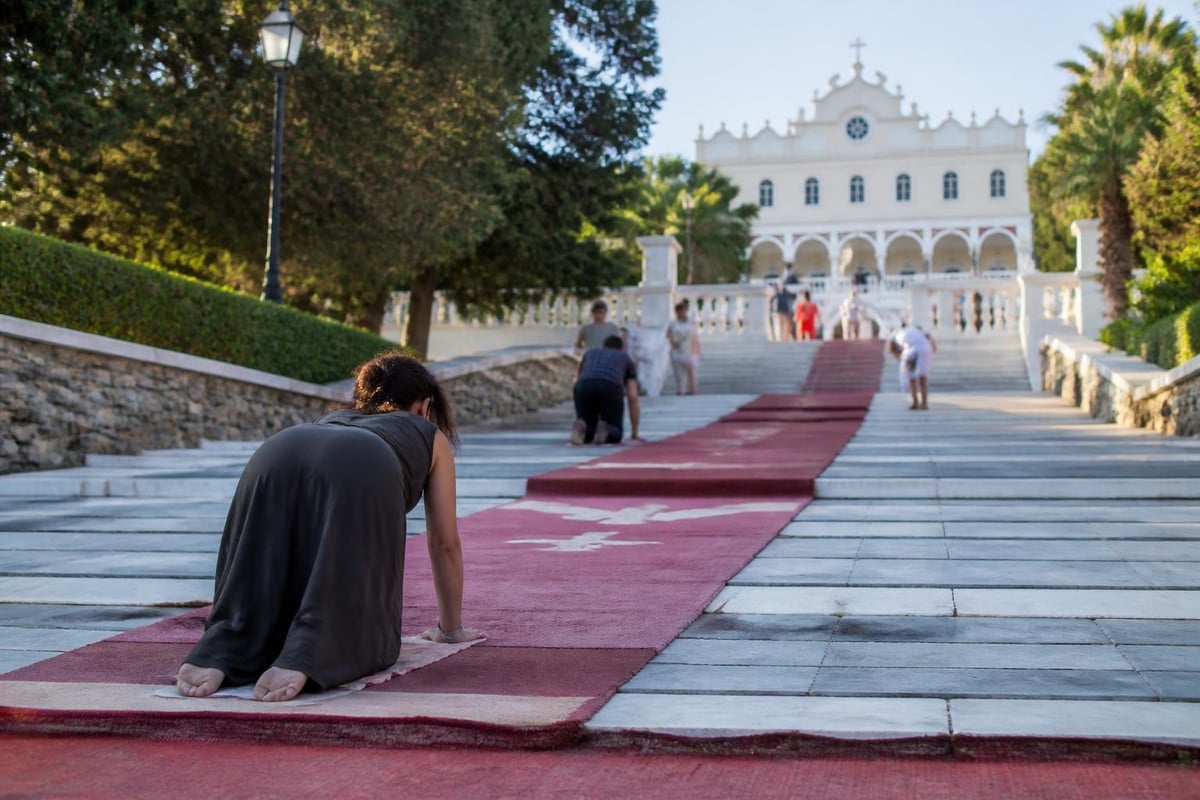
Tinos holds a unique position in Greek religious life as the country's most important pilgrimage destination. The Church of Panagia Evangelistria, built in 1823 following the miraculous discovery of an icon of the Virgin Mary, attracts hundreds of thousands of pilgrims annually, particularly on the feast days of the Annunciation (March 25) and the Dormition of the Virgin (August 15).
This spiritual dimension shapes every aspect of the island's character. Unlike the hedonistic party atmosphere of neighboring Mykonos, Tinos maintains a contemplative quality that resonates through its villages, chapels, and daily rhythms. The island’s many chapels and religious life create a landscape where faith and tradition remain central to community identity.
Pilgrimage Traditions That Define Island Life
The pilgrimage experience on Tinos extends far beyond a simple church visit. Devotees often walk the marble-paved path from the port to the Church of Panagia Evangelistria on their knees, a powerful expression of faith that visitors witness with profound respect. This tradition, maintained for nearly two centuries, represents the island's living connection to its spiritual heritage.
Key pilgrimage elements include:
- The sacred icon believed to possess healing powers
- Votive offerings (tamata) left by grateful believers
- The annual procession carrying the miraculous icon through Chora
- Continuous services maintained by monks and clergy
- The underground spring discovered during the icon excavation
The infrastructure supporting pilgrimage has created a distinctive economy. Small hotels, family-run tavernas, and artisan workshops all cater to visitors seeking spiritual fulfillment rather than beach-club entertainment.
Master Marble Craftsmen and Living Heritage
Beyond its spiritual significance, Tinos commands international recognition for its marble artistry. The island's marble-carving tradition, which UNESCO recognizes as intangible cultural heritage, represents centuries of accumulated knowledge passed from master to apprentice in an unbroken chain.
This craft tradition emerged from the island's abundant marble resources and the demand for architectural decoration, religious icons, and decorative elements. Tinian craftsmen developed distinctive techniques for creating intricate relief work, delicate fretwork patterns, and three-dimensional sculptures that became sought after throughout Greece and beyond.
The Art and Science of Tinian Marble Work
Tinian marble craftsmanship encompasses multiple specialized skills, each requiring years of dedicated study. Sculptors, ornament carvers, and architectural stoneworkers maintain separate but complementary practices, all rooted in deep material knowledge and aesthetic principles refined over generations.
The craft involves sophisticated understanding of:
- Marble geology and quarrying – identifying quality stone and extracting blocks without fractures
- Tool-making and maintenance – crafting specialized chisels, points, and finishing tools
- Design and pattern work – creating complex geometric and organic motifs
- Relief carving techniques – achieving multiple depth planes in decorative panels
- Structural integration – ensuring carved elements function architecturally
- Surface finishing – employing traditional polishing methods for varied textures
Contemporary Tinian craftsmen continue working in small workshops scattered across the island, particularly in the villages of Pyrgos and Panormos. Visitors can observe these artisans at work, witness demonstrations of traditional techniques, and commission custom pieces that carry forward this ancient heritage.
| Craft Specialty | Primary Applications | Learning Period | Master Craftsmen (2026) |
|---|---|---|---|
| Architectural sculpture | Church facades, fountains | 8-12 years | 15-20 active |
| Relief ornamentation | Doorframes, window surrounds | 6-10 years | 25-30 active |
| Three-dimensional sculpture | Religious icons, portraits | 10-15 years | 8-12 active |
| Decorative fretwork | Screens, panels, furniture | 5-8 years | 12-18 active |
Authentic Villages and Cycladic Architecture
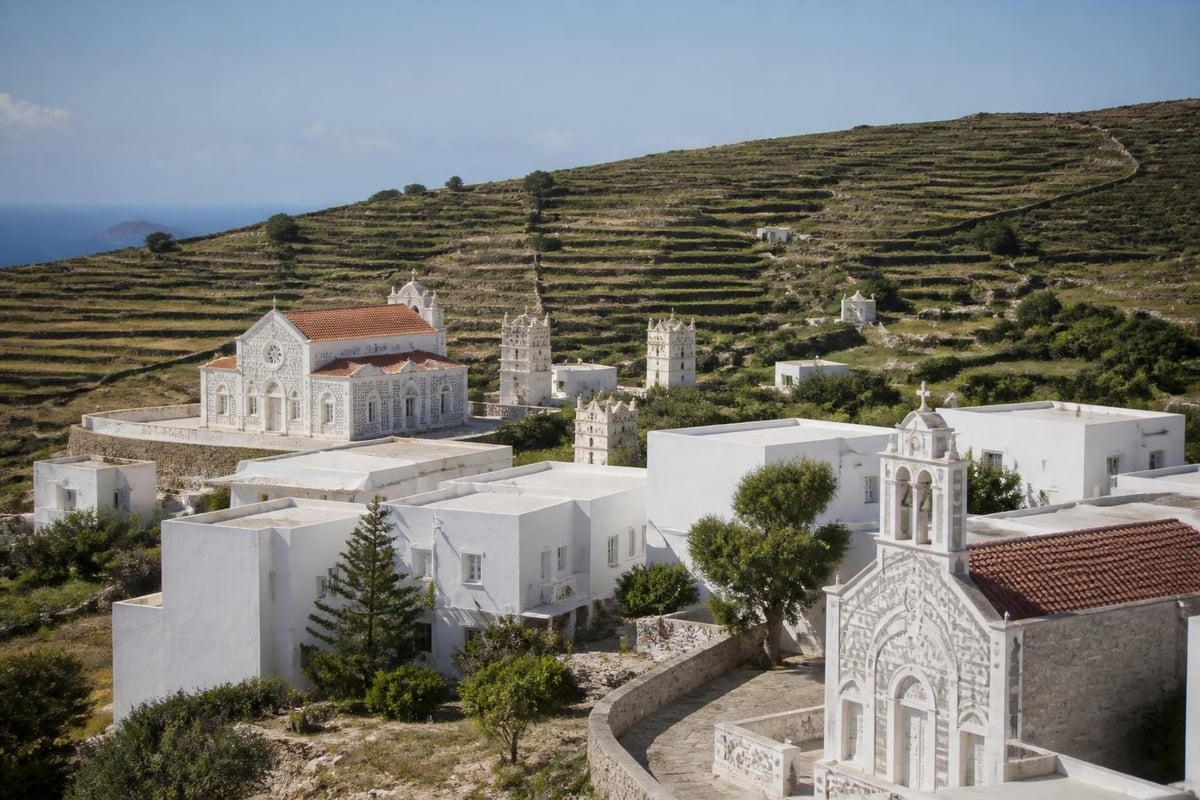
The architectural heritage of Tinos extends far beyond marble workshops. The island's fifty-plus villages showcase pristine examples of traditional Cycladic building, with whitewashed cubic houses, blue-domed churches, and the distinctive dovecotes that have become iconic symbols of Tinian landscape.
These dovecotes (peristerionas) represent a unique architectural tradition found nowhere else in Greece with such density and artistry. Built to house pigeons whose droppings provided valuable fertilizer, these structures feature elaborate geometric decorations carved into their facades. An estimated 600-1000 dovecotes dot the Tinian countryside, each one a testament to agricultural ingenuity and aesthetic sensibility.
Villages Worth Extended Exploration
Each village on Tinos possesses its own character and specializations. Rather than rushing through a single-day tour, thoughtful travelers dedicate several days to exploring these communities at a pace that allows genuine interaction with local residents and traditions.
Pyrgos stands as the island's marble-carving capital, where the Museum of Marble Crafts occupies a former school building. Walking through this village means encountering working artisans whose studios open directly onto narrow streets. The village produced Yannoulis Chalepas, considered one of modern Greece's greatest sculptors, whose work bridges traditional craft and contemporary art.
Volax presents an otherworldly landscape where enormous rounded boulders surround a small settlement. This village maintains one of the last traditional basket-weaving workshops in the Cyclades, where craftspeople create functional items using techniques unchanged for centuries.
Kardiani cascades down a hillside with views across the Aegean, its terraced architecture demonstrating how Tinian builders adapted to steep topography. The village's fountains and public washing areas remain functional, continuing to serve their original purposes alongside modern infrastructure.
Cultural Experiences Beyond the Guidebook
Tinos offers cultural immersion opportunities that connect visitors with living traditions rather than staged performances. The island's relative isolation from mass tourism means that local customs continue for community purposes, not tourist entertainment.
Seasonal Festivals and Celebrations
The festival calendar on Tinos follows both religious and agricultural rhythms, creating opportunities to witness authentic celebrations:
- Artichoke Festival (spring) – celebrating the island's prized agricultural product with cooking demonstrations, tastings, and traditional music
- Local saint day celebrations (year-round) – each village honors its patron saint with church services, processions, and communal feasting
- Wine harvest festivals (September) – marking the grape harvest with pressing demonstrations and new wine tastings
- Religious name days – widespread celebrations when individuals celebrate their patron saint's feast day
Visitors who time their trips to coincide with these events gain access to experiences impossible to replicate during standard tourist seasons.
Culinary Traditions and Local Products
Tinian cuisine reflects the island's agricultural heritage and relative isolation. Unlike tourist-oriented islands where imported ingredients dominate menus, Tinos maintains strong connections to local production.
| Product Category | Notable Items | Where to Find |
|---|---|---|
| Cheeses | Graviera, kopanisti, tyrovolia | Village dairies, weekly markets |
| Charcuterie | Louza (cured pork), syglino | Traditional butcher shops |
| Honey varieties | Thyme, wildflower, pine | Beekeepers, roadside stands |
| Vegetables | Artichokes, capers, wild greens | Farmers' markets, farm direct |
| Wine | Indigenous grape varieties | Small family wineries |
The weekly farmers' markets in Chora and other villages operate primarily for local residents, creating authentic shopping experiences where visitors can interact with producers and learn about traditional agricultural methods.
Archaeological Treasures and Ancient Heritage
While Tinos draws contemporary fame from its marble craftsmanship and pilgrimage traditions, the island possesses significant archaeological heritage spanning millennia. The Archaeological Museum of Tinos, housed in a neoclassical building near the port, displays artifacts revealing the island's importance in ancient Cycladic and classical Greek periods.
The museum's collections include:
- Geometric and Archaic period pottery demonstrating early artistic development
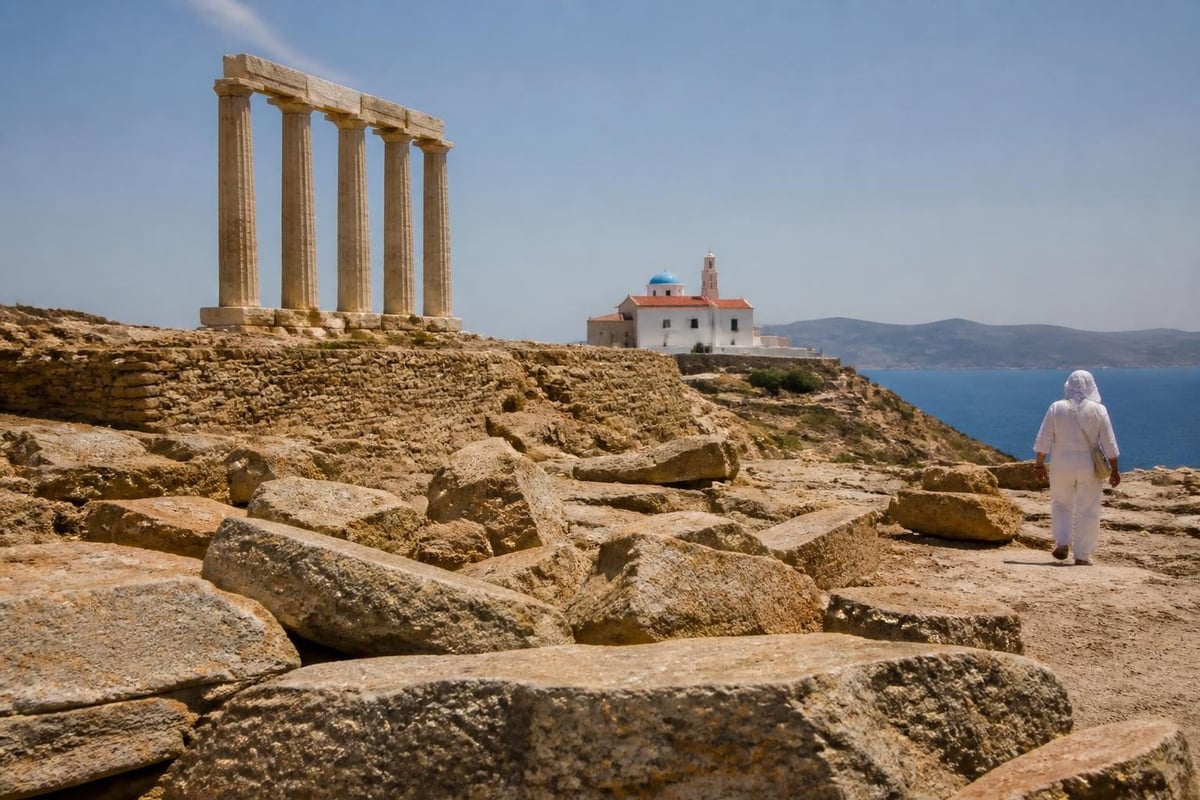
- Sculptures and architectural fragments from the Sanctuary of Poseidon and Amphitrite
- Roman period finds showing the island's continued significance under imperial rule
- Byzantine religious objects connecting ancient and medieval periods
The Sanctuary of Poseidon at Kionia
Just outside Chora, the archaeological site of Kionia preserves remains of the Sanctuary of Poseidon and Amphitrite, a major cult center in antiquity. This sanctuary attracted worshippers from across the Aegean, establishing Tinos as a sacred island long before Christian pilgrimage traditions emerged.
Excavations have revealed temple foundations, alteration levels, and votive deposits spanning centuries of use. The site demonstrates sophisticated hydraulic engineering, with underground water channels and fountain houses serving both ritual and practical purposes.
Natural Landscapes and Outdoor Activities
The mountainous terrain of Tinos creates diverse microclimates and ecosystems within a relatively compact area. The island's highest peak, Tsiknias, rises to 727 meters, creating dramatic elevation changes that support varied vegetation zones and agricultural terraces carved into hillsides over centuries.
Hiking Trails and Traditional Paths
An extensive network of traditional paths (monopathia) connects villages and agricultural areas, many recently restored and marked for recreational hiking. These stone-paved routes offer authentic experiences of the Tinian landscape, passing through:
- Terraced agricultural zones with active cultivation
- Abandoned settlements showing historical population patterns
- Hilltop chapels and hermitages with panoramic views
- Water sources and traditional fountain houses
- Stone-walled livestock enclosures and shepherds' shelters
Serious hikers can undertake multi-day traverses linking villages through highland routes, while casual walkers enjoy shorter loops from individual settlements. The moderate Mediterranean climate makes spring (March-May) and autumn (September-November) ideal for outdoor exploration.
Beaches and Coastal Experiences
While not primarily a beach destination, Tinos offers numerous coves and stretches of coastline ranging from developed resort beaches to isolated swimming spots accessible only on foot or by boat. The island's varied geography creates different beach types suited to different preferences.
Popular beaches include:
- Kolymbithra – twin bays on the north coast with striking rock formations
- Pachia Ammos – the island's longest sandy beach with shallow waters
- Agios Sostis – organized beach with facilities near Chora
- Livada – secluded pebble beach requiring boat access or long walk
The coastal waters support rich marine ecosystems, making Tinos attractive for snorkeling and diving enthusiasts seeking alternatives to overcrowded sites on other islands.
Planning Your Tinos Experience
Successful exploration of Tinos requires different planning approaches than typical Cycladic island visits. The island rewards slower travel, deeper engagement with specific communities, and flexibility to pursue unexpected discoveries rather than checklist itinerary completion.
Optimal Visit Duration and Timing
While day-trippers arrive from Mykonos throughout the summer, meaningful engagement with Tinos demands at least four to five days. This duration allows:
- Exploration of multiple villages at a contemplative pace
- Participation in local festivals or market days
- Extended conversations with artisans, farmers, and residents
- Hiking or outdoor activities without rushing
- Adjustment to the island's quieter rhythms
The shoulder seasons (April-May, September-October) offer ideal conditions with moderate weather, fewer visitors, and active agricultural and cultural life. Summer brings intense pilgrimage activity and higher temperatures, while winter sees reduced services but maximum authenticity.
Transportation and Logistics
Tinos is accessible by ferry from Piraeus (Athens), Rafina, and neighboring Cycladic islands including Mykonos, Syros, and Andros. Multiple daily departures during high season make connections straightforward, though advance booking ensures preferred departure times.
On-island transportation options include:
| Method | Best For | Considerations |
|---|---|---|
| Rental car | Village exploration, beaches, flexibility | Essential for comprehensive exploration |
| Rental scooter | Single travelers, short distances | Requires comfort with steep, winding roads |
| Bus service | Main villages, budget travel | Limited schedules, primarily serves residents |
| Taxi | Specific destinations, no driving | Can be arranged through accommodations |
| Hiking | Traditional paths, authentic experience | Requires proper equipment, water, maps |
Accommodations range from simple rooms in village homes to boutique hotels in Chora and beach resorts along the coast. Staying in different locations during an extended visit provides varied perspectives on island life.
Contemporary Tinos and Cultural Preservation
Modern Tinos navigates the challenge of maintaining authentic traditions while supporting viable local economy in an increasingly globalized world. The island has largely avoided the development patterns that transformed Mykonos and Santorini, instead pursuing a model based on cultural heritage tourism and quality over quantity.
Several factors contribute to this preservation:
Strong local identity rooted in religious traditions creates community consensus about development limits. Geographic constraints – mountainous terrain and limited water resources – naturally restrict large-scale resort development. UNESCO recognition for marble craftsmanship raises international awareness and supports artisan livelihoods. Agricultural viability through specialty products allows continued farming rather than complete tourism dependence.
Contemporary Tinian craftspeople balance traditional practice with modern markets. While religious sculpture and architectural ornamentation remain important, artisans also create contemporary design objects, furniture elements, and commissioned artworks that bring marble traditions into present-day contexts without compromising technical authenticity.
The island's detailed heritage documentation by cultural authorities provides frameworks for preservation while allowing economic development. This approach offers lessons for other traditional communities facing similar pressures from tourism and modernization.
Supporting Sustainable Tourism
Visitors to Tinos can actively support cultural preservation through mindful choices:
- Commission work directly from marble craftspeople rather than purchasing mass-produced souvenirs
- Patronize family tavernas serving local ingredients over international chain restaurants
- Stay in traditional accommodations operated by island families
- Purchase agricultural products directly from producers at markets
- Hire local guides who share authentic knowledge rather than scripted presentations
- Visit during shoulder seasons to reduce peak-period pressure on infrastructure
These practices ensure tourism revenue supports tradition-bearers and local economy rather than extracting value for external corporate interests.
The Tinos Difference for Thoughtful Travelers
What distinguishes Tinos from better-known Cycladic destinations is authenticity maintained through active practice rather than preserved as museum exhibition. Marble carvers work in their shops because demand for their craft continues, not because they perform demonstrations for tour groups. Villages maintain traditional architecture because residents value this heritage, not because preservation ordinances require it. Festivals celebrate community occasions, not tourist entertainment schedules.
This authenticity creates different visitor experiences. Rather than consuming pre-packaged attractions, travelers on Tinos encounter living culture that operates according to its own rhythms and purposes. This requires patience, openness, and willingness to engage with experiences on their own terms rather than tourist expectations.
For travelers seeking depth over breadth, quality over quantity, and genuine cultural exchange over superficial encounters, Tinos represents the Cycladic ideal that increasingly rare in the contemporary Mediterranean. The island demonstrates that traditional ways of life can persist in the modern world when communities maintain clear values and visitors approach with respect and genuine interest.
The comprehensive study of Tinos’s marble industry reveals how technical heritage interweaves with social structures, economic systems, and cultural identity. Understanding these connections transforms a simple island visit into meaningful engagement with how human communities create and maintain distinctive ways of life across generations.
Tinos offers discerning travelers an authentic Cycladic experience where marble craftsmanship, spiritual traditions, and village life continue with remarkable vitality. Whether you're drawn to UNESCO-recognized artisan traditions, profound pilgrimage heritage, or simply the unspoiled beauty of traditional Greek island life, Tinos rewards thoughtful exploration. Hellenic Holidays specializes in crafting personalized itineraries that connect you with the real Greece, designing tailor-made experiences that allow time for genuine cultural immersion on islands like Tinos alongside the region's more famous destinations.